
All images by Roman Manfredi. Used with permission.
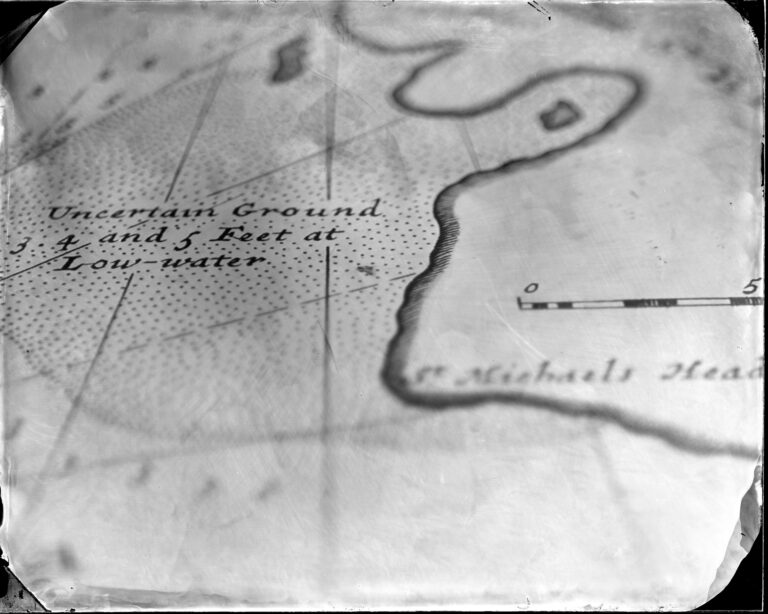
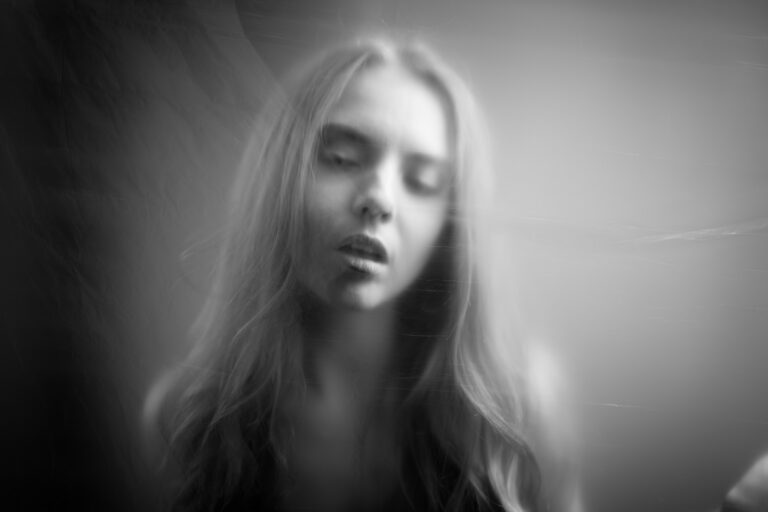
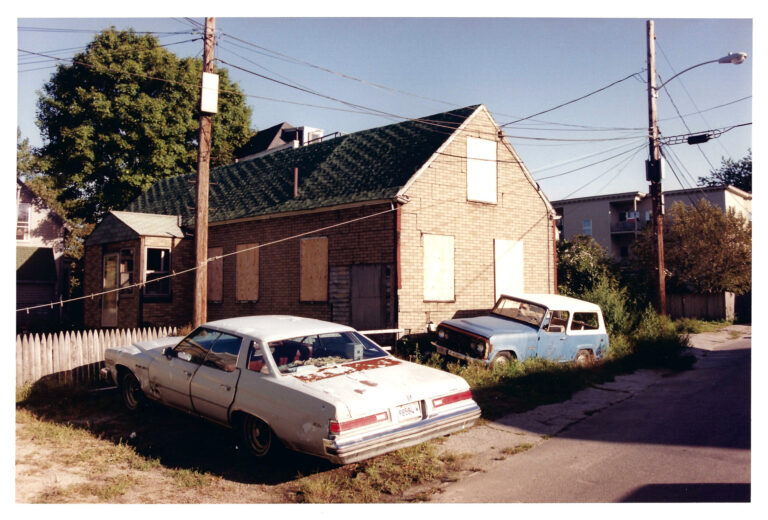
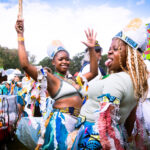
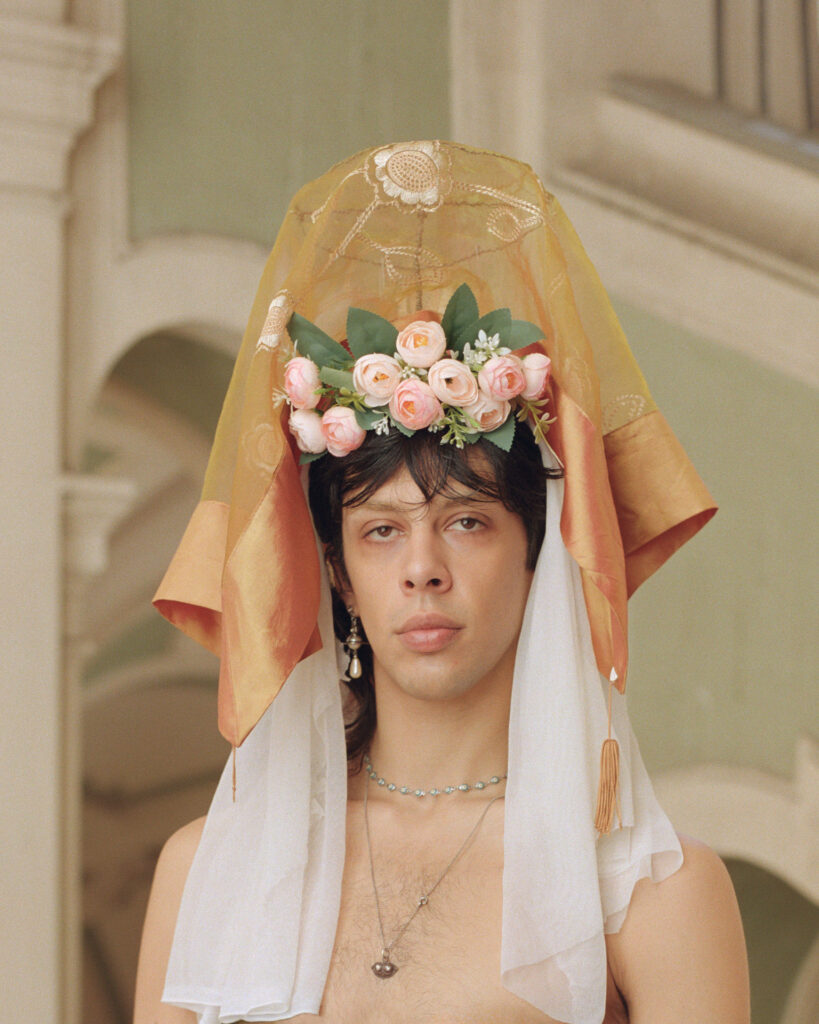
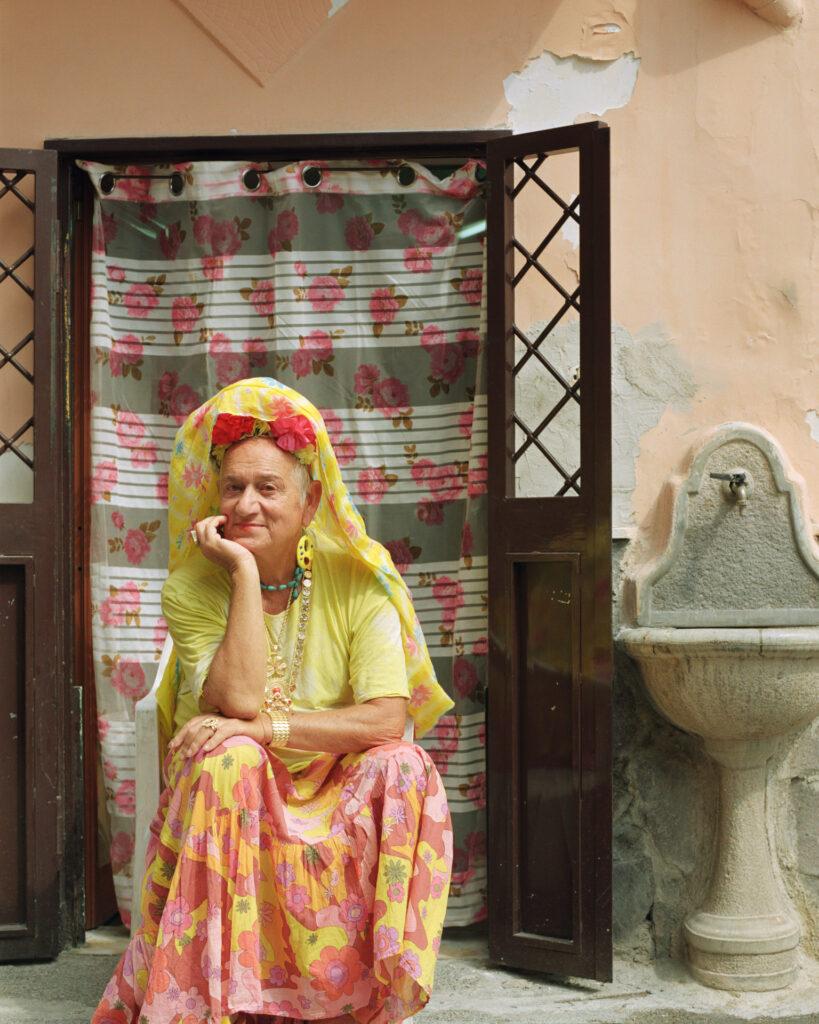
Photographer Roman Manfredi is aiming to reshape the narrative surrounding identity. For their series TRA, they traced the roots of their ancestral past, taking their ideas and camera to Naples, Italy. It was here they began documenting the femminiello through a series of intimate portraits, elevating the voices of members of the queer community.
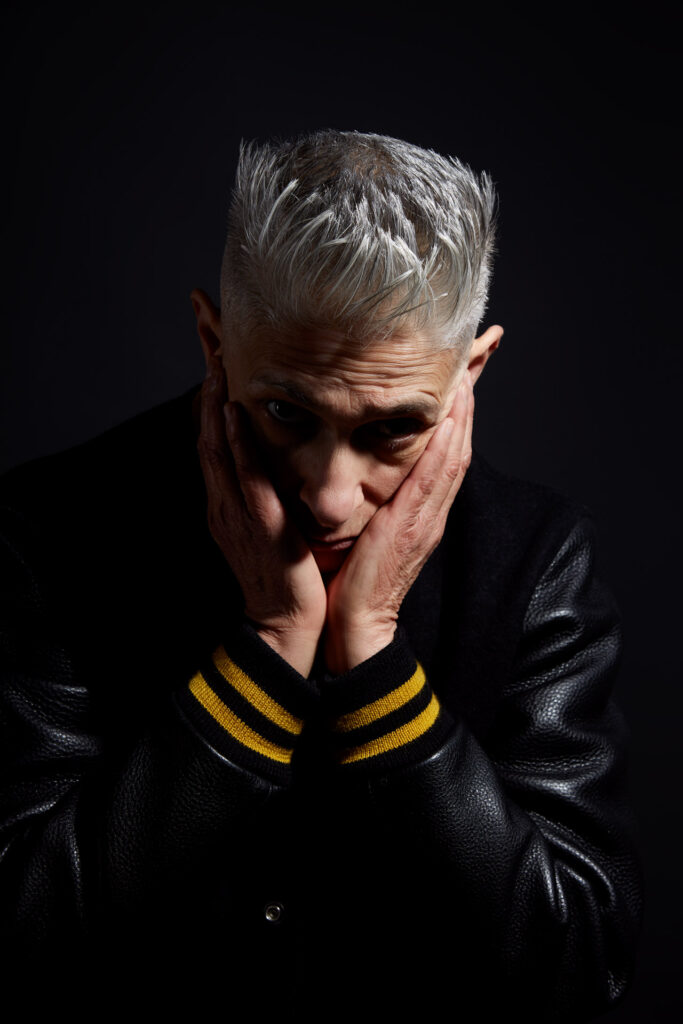
Roman Manfredi (Photo by Christa Holka).
After submitting the work to the annual Jerwood/Photoworks Award, Manfredi was awarded a £15,000 ($20,100) development grant to dig deeper into the story. Through this, they were able to engage more deeply with the foundations of Italian culture. Creatively, they explore gender identity, religion, and the nuances and relationships in between.
Starting January 10, TRA will go on a UK tour, giving Manfredi a solo exhibition across multiple venues throughout 2026. In advance of the tour, I caught up with them to discuss the award, the exhibition, and the work behind it.
Them Frames: Hey Roman, please can you tell us about the thought process behind submitting this particular series for the Jerwood/Photoworks Awards?
Roman Manfredi: The work brings together many of the questions that have been central to my practice around place, gender, class, and community, while also allowing space for ambiguity.
I feel that conversations around queer identity are often shaped by white North American and Northern European academic frameworks. I was interested in looking beyond these contexts to explore how gender is embodied and lived through other cultural and historical perspectives. As my ancestry is Italian I sought a place that I felt was not only accepting but celebratory and respected in Italy. That led me to Naples and the femminielli.
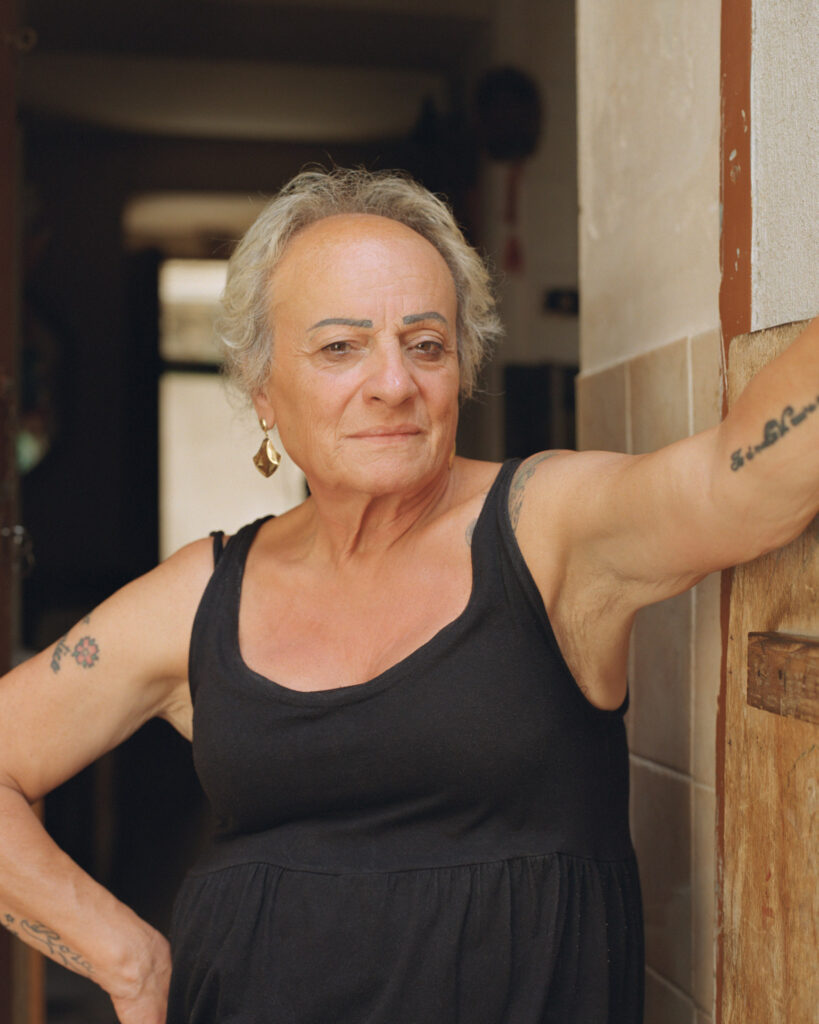
The femminiello is a deeply rooted and culturally specific figure in Neapolitan history, one that resists easy translation into contemporary categories. Traditionally, the femminiello has often been associated with luck, ritual, care, and community life, particularly within working-class neighborhoods. Traditionally they embody a form of gender expression that is fluid and embedded in local customs rather than defined by fixed identities.
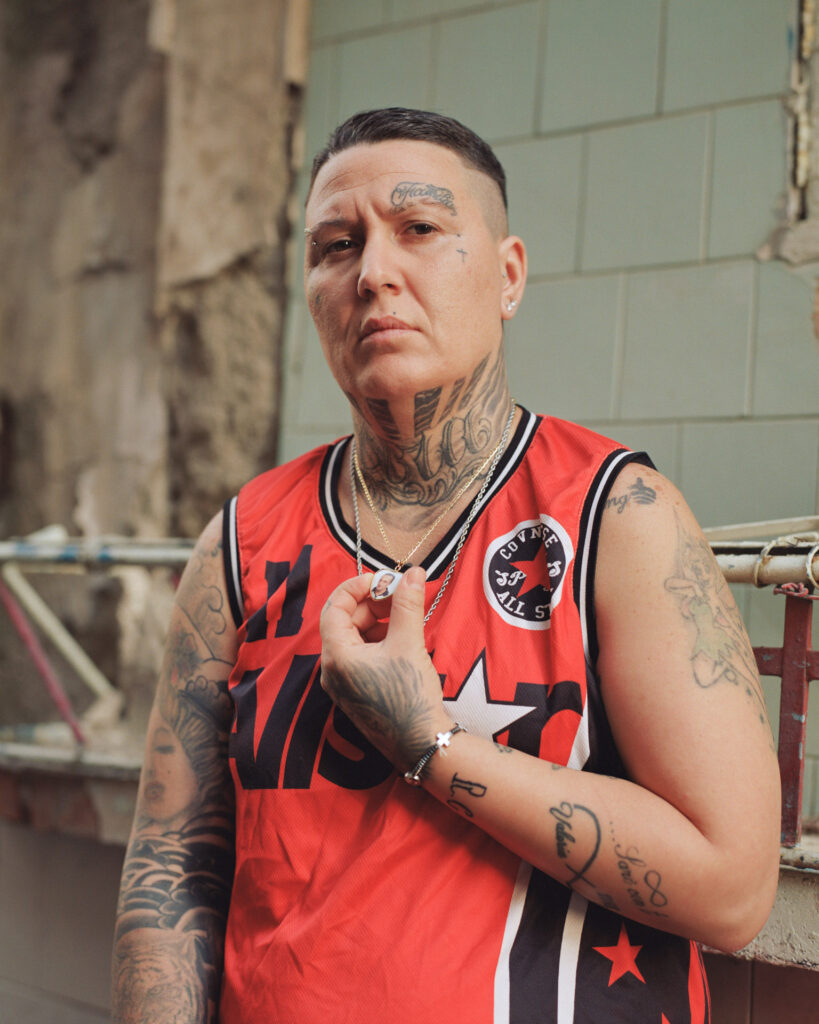
I included masculille (female-born, masculine-presenting) in the project to draw attention to their historical invisibility and the absence of their presence within dominant narratives. I was interested in exploring the bringing together of two distinct groups whose experiences overlap, yet who do not necessarily identify with or engage closely with one another.
Them Frames: Having lived in Naples myself, I know people can very much exist with confined traditions. With that, what were some of the challenges of putting this series together and how did you navigate them?
Roman Manfredi: Napoli can be a place where tradition is deeply held and tightly woven into everyday life, however Napoli is also deeply anarchic which allows room for difference and spontaneity. With uncertain futures people tend to live in the moment and that was both a point of richness and a challenge while making this work. Embracing uncertainty was key.
One of the main challenges of putting this series together was navigating how to work within communities and histories that are not mine to define. The project required time, trust, sensitivity and a hell of a lot of patience, allowing the work to remain unresolved rather than forcing coherence too early. How to avoid flattening complex lives into singular images is always an ongoing negotiation within my practice.
Them Frames: There’s a religious tone within the series, are you able to expand on why that is?
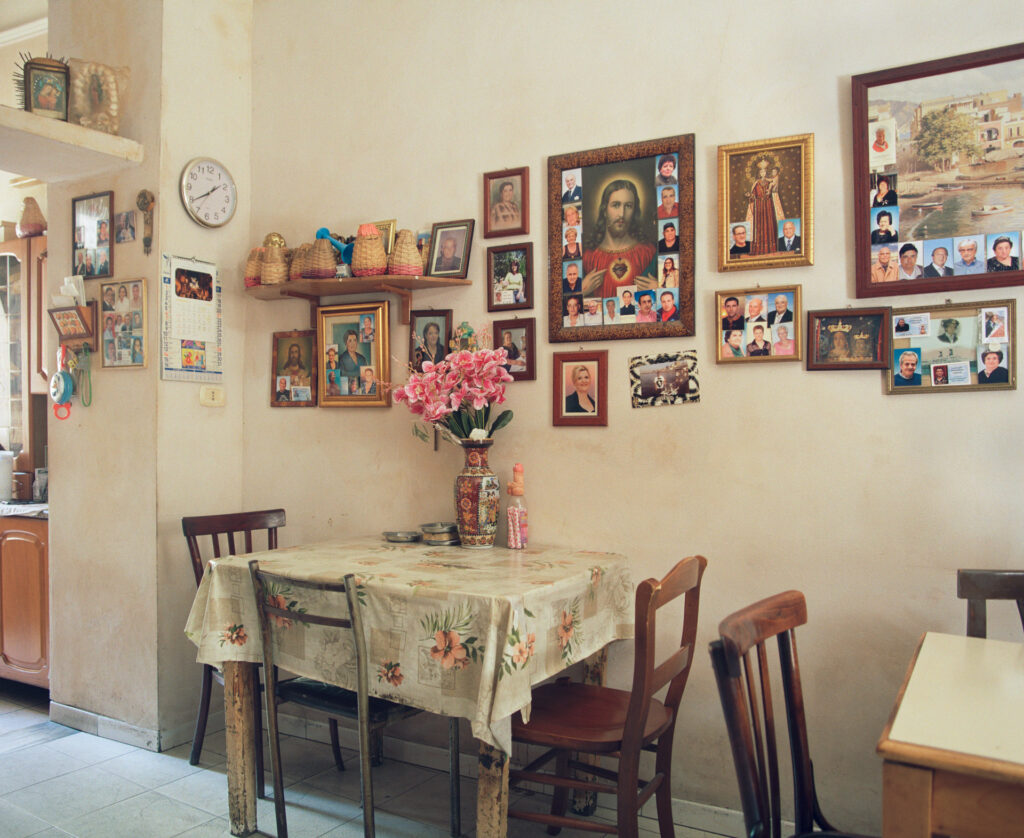
Roman Manfredi: Religion, particularly Catholicism is deeply woven into the social and visual fabric of Naples, and it felt impossible to speak about the city without acknowledging its presence.
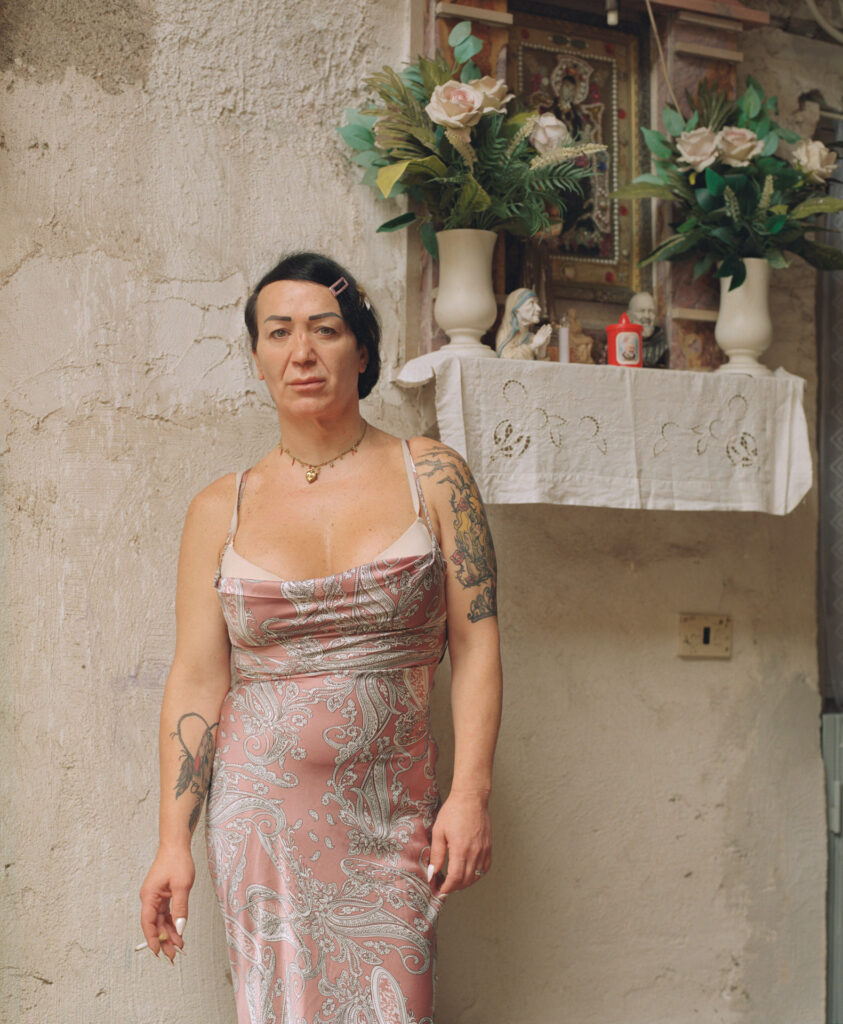
For this project, religious imagery also offered a way to think about contradiction and coexistence. In Naples, religious devotion often sits in close proximity to figures and identities that exist at the margins.
When I first researched the femminielli, I discovered their deep involvement in both pagan and religious rituals. Alongside the femminielli the clear presence of transwomen and drag queens within religious institutions I felt also served as an important political platform which is very significant in a country so steeped in faith.
Them Frames: How did it feel when you got the news your entry was successful?
Roman Manfredi: The hills were alive with the sound of music!!…
While I was obviously delighted, there was also a sense of weight in meeting what others might anticipate.
Them Frames: The work will be part of a solo exhibition that tours the UK. What message do you hope it sends to those who attend?
Roman Manfredi: I hope the work reaches people in a way that feels personal and relatable. I want viewers to feel seen, inspired, or even unsettled in a way that encourages them to reflect on their own experiences and perspectives.
TRA will be touring in the following venues: Drawing Rooms, London, Barnsley Civic, Ffotogallery and Street Level Photoworks in Glasgow.
You can see more work by Roman Manfredi by visiting their website.
More reading: Rafaelle Lorgeril Explores Escapism Through Photography