
For years, I was a brand purist. I strictly paired my Fujifilm bodies with Fujifilm glass, fueled by a deep-seated trust in the ecosystem. My 35mm F2, for instance, has been a constant companion for nearly a decade and still performs flawlessly today. Back then, mounting anything “off-brand” simply felt like a compromise I wasn’t willing to make.
Part of that skepticism was rooted in reality, as early budget third-party lenses were often plagued by soft optics or questionable build quality. However, much of my hesitation was admittedly unfair. We often equate “cheap” with “low quality,” yet many third-party lenses are manufactured in the same regions as Fujifilm’s own current production, producing results that are nothing short of excellent.
The Turning Point
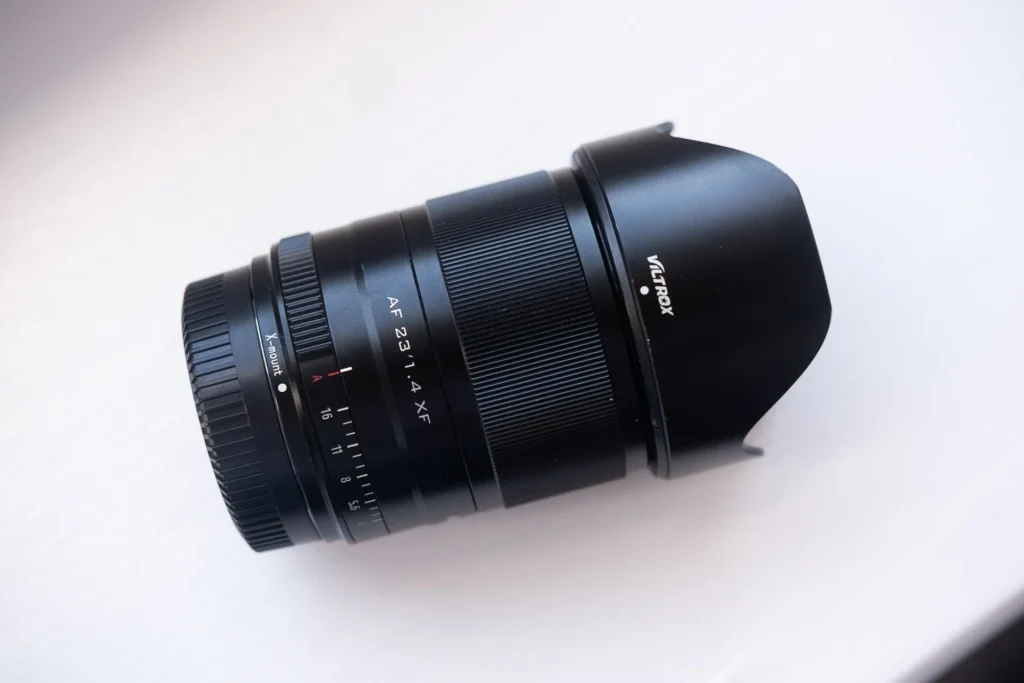
The shift in my mindset began last year when I took a calculated risk on a used Viltrox 23mm F1.4 for about $200. To my surprise, it completely upended my assumptions about third-party glass.
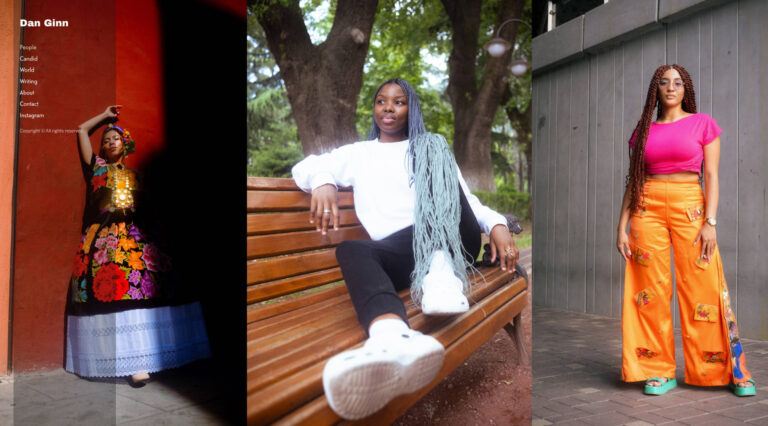
The build felt remarkably solid, the autofocus was snappy, and the image quality – from color rendition to contrast – integrated seamlessly with my Fujifilm X-T3. It was a wake-up call that many of the stigmas surrounding off-brand gear are now outdated.
Of course, going the budget route does involve certain trade-offs. You’ll likely lose out on weather sealing, or have to make do with a clickless aperture. Some of them, including my Viltrox lens, have vignetting when shooting wide open at f1.4.
Some owners of third-party lenses complain of chromatic aberration. While my copy doesn’t have this issue, I have seen evidence shared elsewhere that it occurs. The reality is you can fix this quickly in post processing – which is much cheaper than spending hundreds of dollars more on a more sophisticated lens.
When you weigh these minor quirks against the $800-$2000 price tag of a first-party equivalent, the value proposition is hard to ignore. For $230 new, a Viltrox can deliver professional-tier results without the “brand tax.”
Redefining Value
Ultimately, the key lies in shifting your mindset from “cheap” to “affordable.” By choosing gear that works without draining your bank account, you free up funds for photography trips or additional focal lengths. After a year of heavy use, my Viltrox has held up beautifully, proving that you don’t need to overspend to get fast autofocus and consistent performance.
While some photographers still prioritize first-party lenses for their resale value (Leica and Fujifilm glass do tend to hold their price) the initial investment in third-party gear is so low that the eventual financial “hit” is negligible. You can sell a used lens and upgrade to a new one while still spending significantly less than you would have on a single branded lens.
A New Standard
The quality gap is shrinking every day. Premium third-party offerings now frequently rival mid-tier branded lenses at a fraction of the cost, leaving “perception” as the only real barrier to entry.
If you’re still hesitant, I recommend testing the waters by renting a lens or trying one out at a local shop. Once you see the performance in real-world conditions, the “off-brand” label starts to matter a lot less.
Third-party lenses are no longer just a fallback; they are a legitimate, professional-grade choice. For any photographer looking to stretch their budget without sacrificing their vision, they aren’t just an alternative, they’re a smart investment.
More reading: Viltrox Lens Review: 23mm f1.4 (X-Mount)