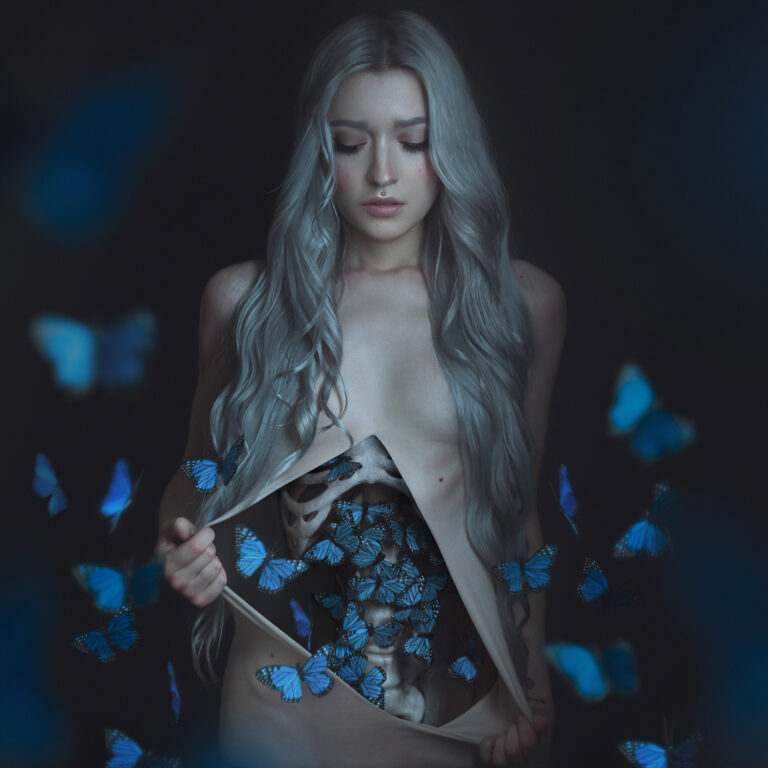

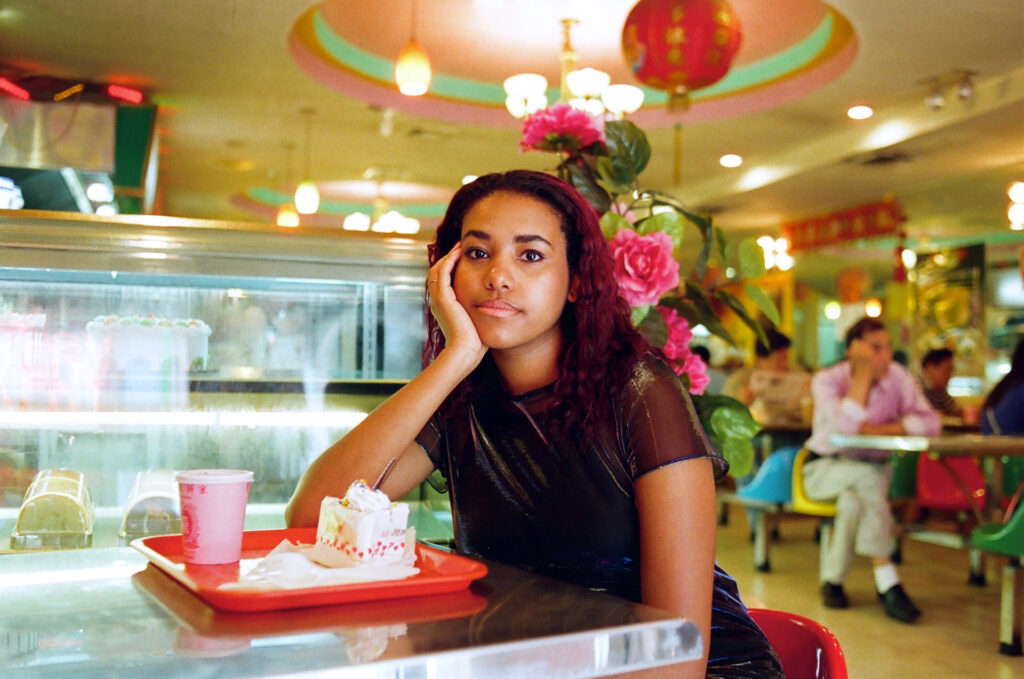
All images by Eliza Hatch. Used with permission. (Person in the photo: Dorina).
Growing up in the north of England, “Cheer up love” was a term I would commonly hear. It’s likely a phrase I’ve uttered myself. You’d hear it said to friends, family, and sometimes even strangers on the street. It was normal. It was life. But when I came across Eliza Hatch’s long-running project Cheer Up Luv, it made me rethink my understanding of what I once considered just three harmless words.
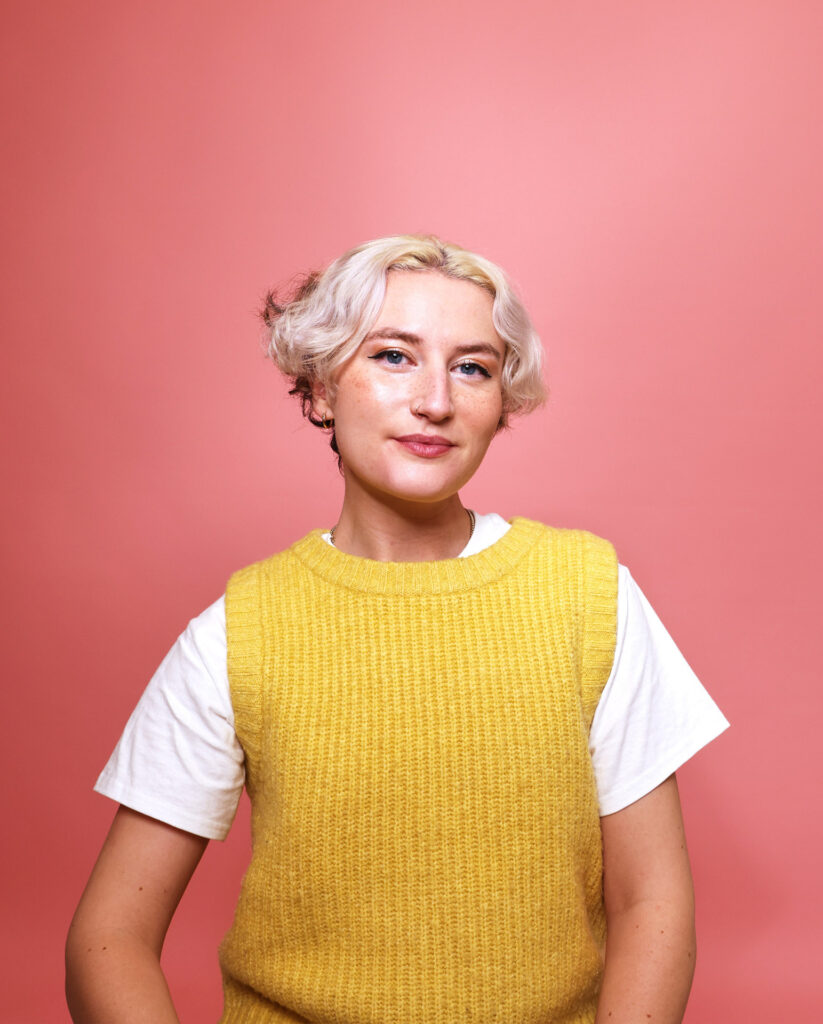
Eliza Hatch.
Cheer Up Luv brings together the testimonies of women and people of marginalized genders who have experienced harassment in public spaces. From men demanding women change their demeanour – “cheer up love” – to incidents of physical and sexual assault, the project creates space for participants to share their stories and, on their own terms, reclaim the power people wanted to take away.
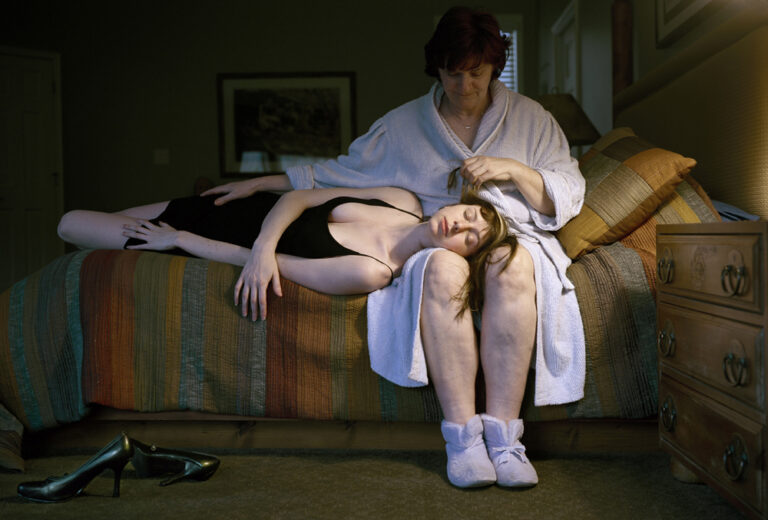
Hatch does this by photographing each participant in the exact location where their experience took place. Through this process, which is part portrait, part conversation, those involved are safely invited to confront and reframe what happened. Many describe the experience of working with Hatch as deeply cathartic.
What began in the UK has since grown into an international platform. The project has travelled across continents, contributed to major awareness campaigns, and led Hatch into public talks and workshops that continue to expand the conversation around everyday harassment.
I caught up with her to talk about the origins of Cheer Up Luv, how the work has evolved, and where she hopes to take it next.

Them Frames: Hey Eliza, thanks for talking with me. Please can you take us back to when you first had the idea of Cheer Up Luv and share the early days of getting the project started?
Eliza Hatch: The catalyst which prompted me to start the photo series and now community platform Cheer Up Luv was a form of everyday harassment I experienced in 2017. A man walked past me and told me to “cheer up”, which led to me to question the normality of harassment for the first time, despite having experienced multiple different forms of it my whole young adult life.
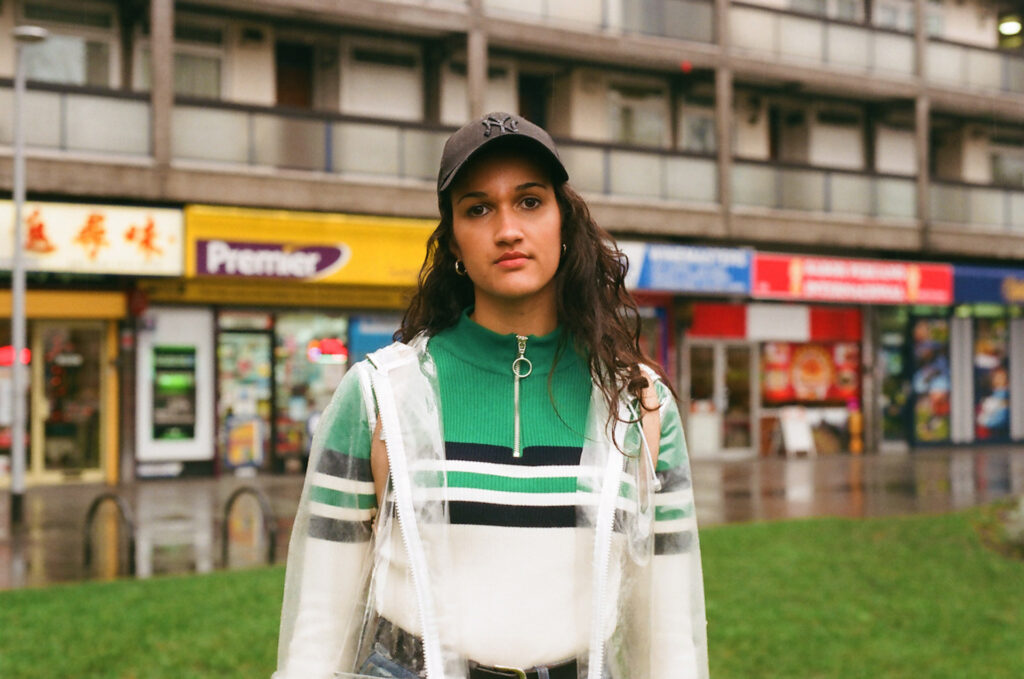
Leyla.
After I had the experience of being told to “cheer up”, I recounted it to a group of my friends, and while my female friends agreed with my frustration and swapped their own tales of harassment, my male friends dismissed the experience as a “compliment.” I felt inspired to not only prove them wrong, but raise awareness about the normalisation of street harassment and show how different forms of “micro” harassment are connected to wider forms of sexual violence, which at that time there was a huge lack of understanding of.
This incident inspired me to start taking portraits of my friends in public places, standing in the place they were harassed and start posting the photos online. The concept of the photo series was for each location to reflect the testimony of harassment from the survivor, empowering them by turning a negative memory into something positive.
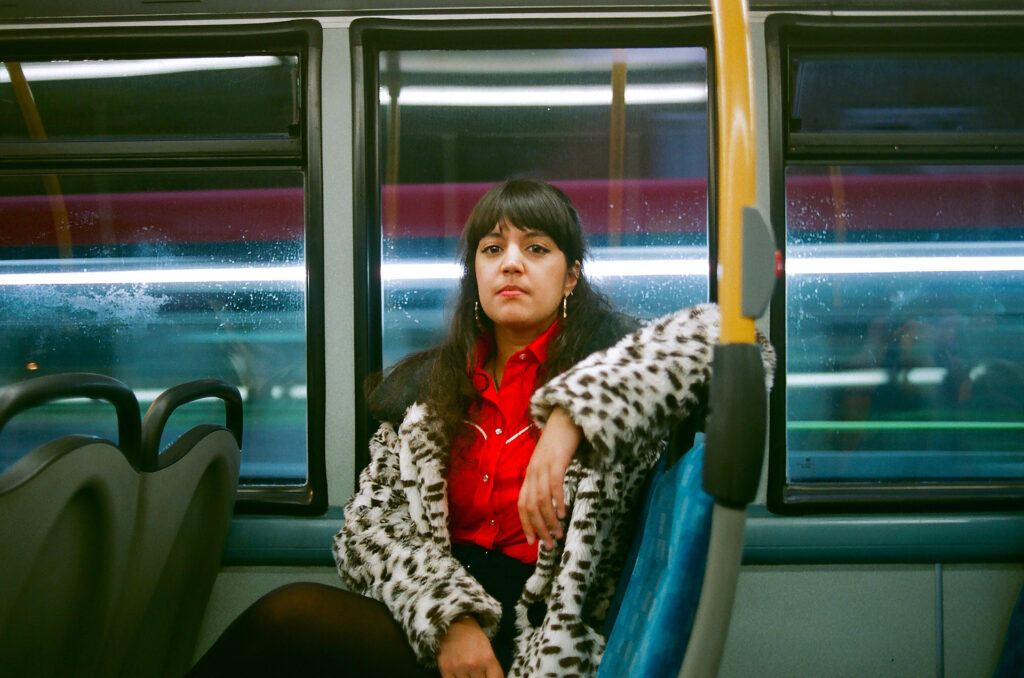
Laila.
Them Frames: How does returning to the same spot harassment took place impact your subjects and what type of impact can that have on the images you make?
Eliza Hatch: An incredibly important part of the photographic process was retelling the story of harassment to communicate the validity of the experience, whilst also empowering the subject. So often these everyday experiences of harassment are brushed off by society, or even internalized by the people they happen to.
Sometimes it feels easier to try to forget about the incident and get on with our day, rather than confront it and potentially risk an even more hostile situation, or try to report it and not be believed, or report it and the system fails you.
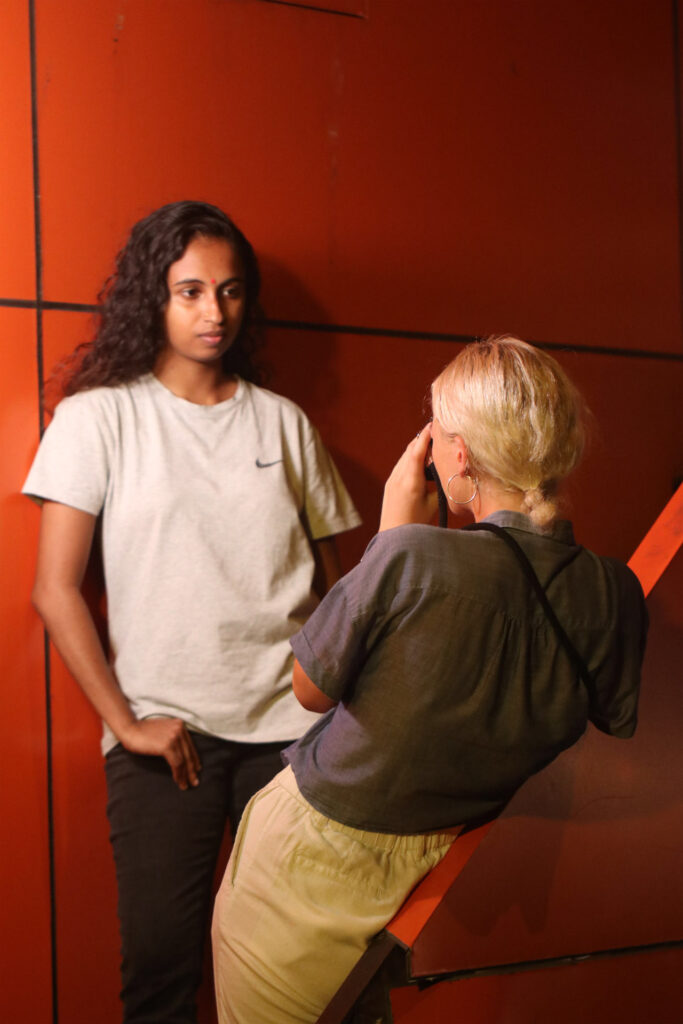
This is why it was incredibly important to me to give all the testimonies an equal platform, equal weight. While some people might be more shocked at some stories than others, it’s important to show they are all valid, and all unacceptable.
While the aim was to communicate the everyday element of these experiences, the mundanity of the locations the public walks past every day, the normalization of the experiences by society – it was also incredibly important to me to communicate the act of taking back control of the experience and reclaiming the space.
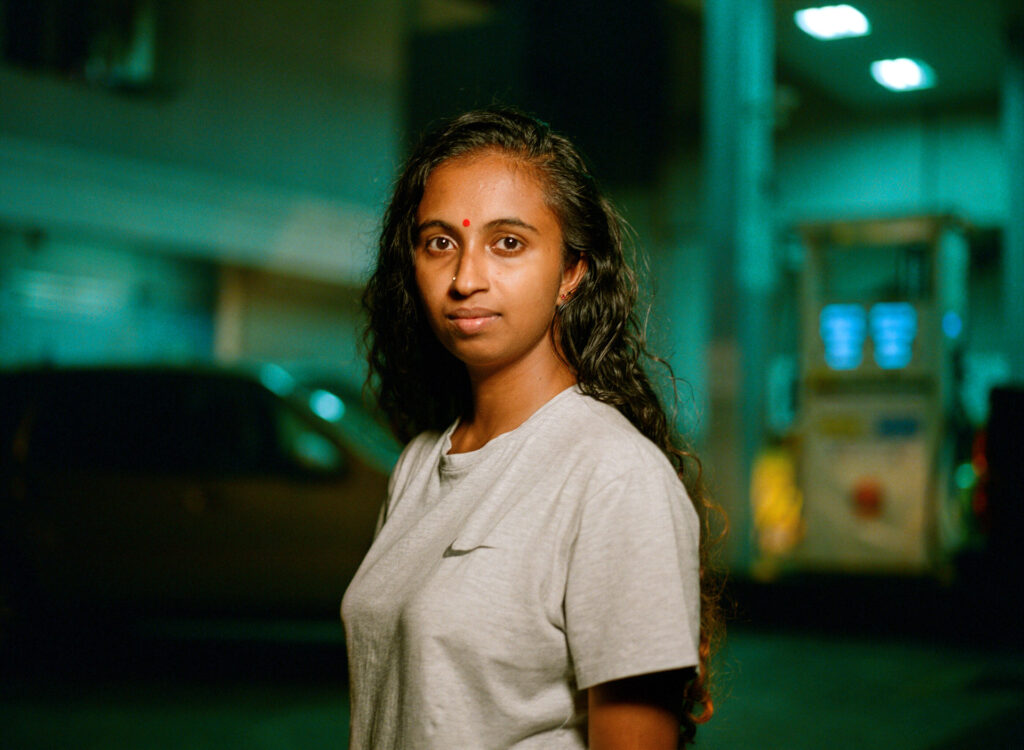
Shiyalni.
Them Frames: How do your participants tend to feel after you photographed them? For example, do they share instances of feeling closure or empowered due to taking part?
Eliza Hatch: The overwhelming feedback I have always received from those who partake in Cheer Up Luv shoots has always been that it is a cathartic experience. The power of just sharing your story, being listened to, believed, is one thing. But, having the opportunity to revisit and reclaim the space where you were once harassed, and share that with a wider audience and community of survivors who can empathise with you, is a totally unique experience.
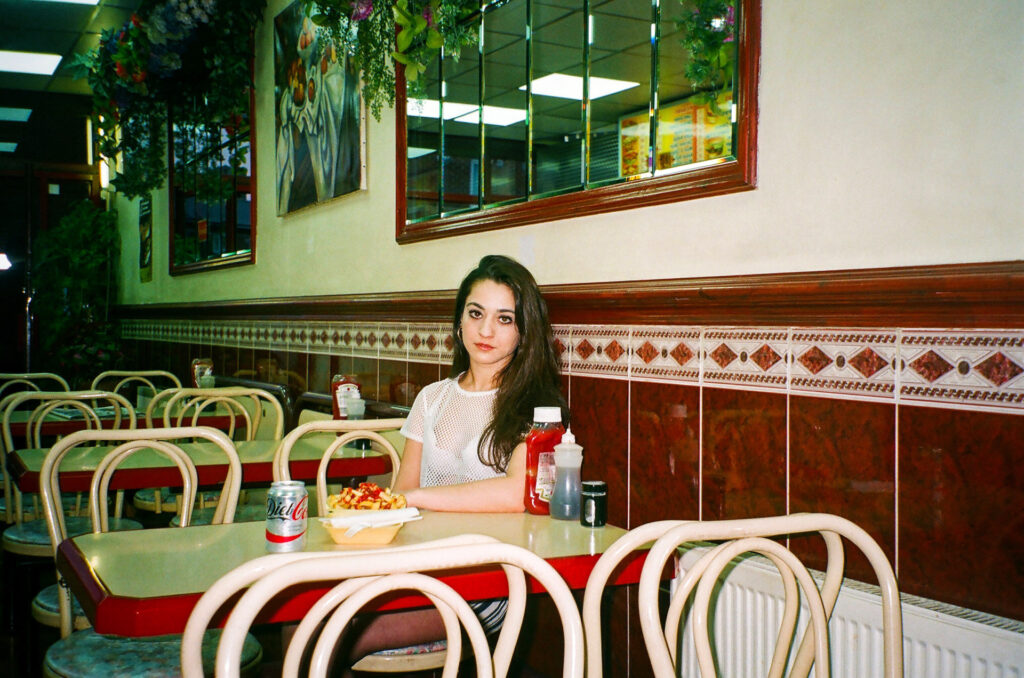
Noga.
Them Frames: How do you find people to participate in the project? What tends to be the main challenges of getting people to go public about their experiences?
Eliza Hatch: When I first started the project in 2017 I just asked friends of friends if they would like to share a story and get involved, and I expected most of them to say no. This was pre MeToo so I had no idea how the subject would be received, as it wasn’t spoken about very publicly very often.
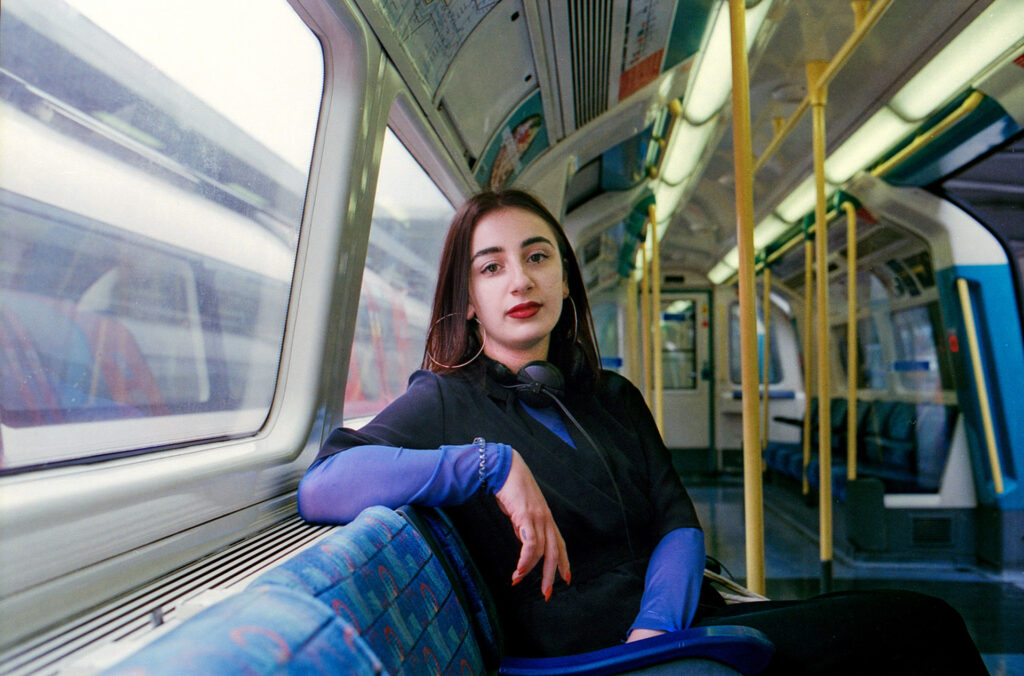
Chloe.
When it was, it felt like a taboo subject. After I launched the project on Instagram, the floodgates opened. As soon as I started posting survivors photos and their adjoining stories, more and more people would reach out to share their experiences.
For the past 9 years, I have had almost a constant stream of survivors sharing testimonies of gender based harassment and violence to the page.
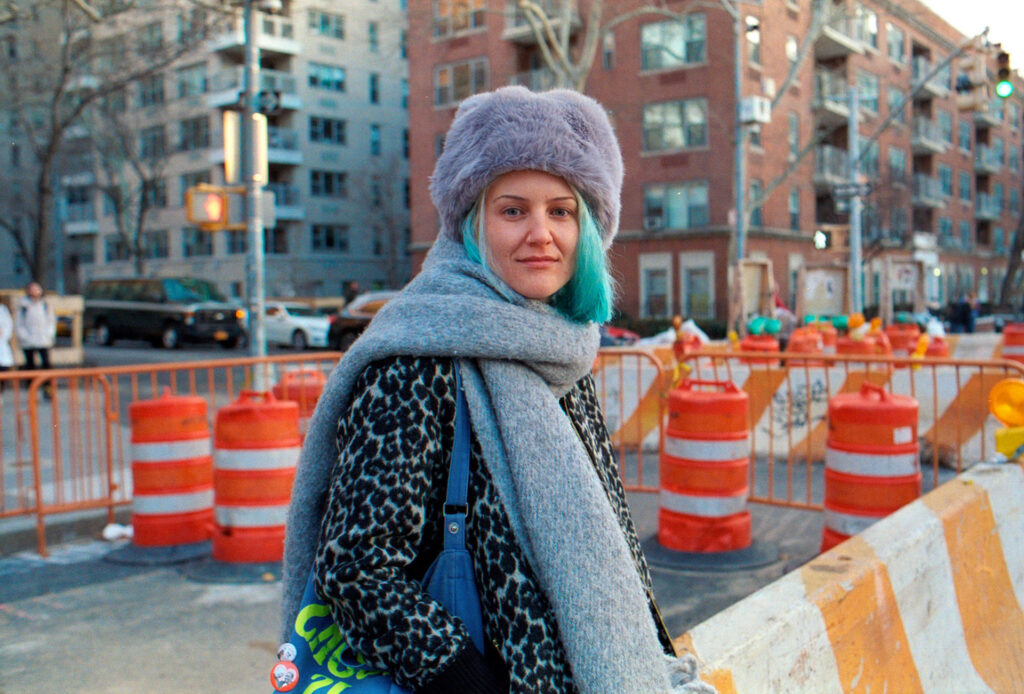
Gail.
Them Frames: The project has gone international – how did you expand it to outside the UK?
Eliza Hatch: As soon as I started posting the photos of my friends online, and I realized the issue of normalized public sexual harassment affected people from all around the world, I knew I wanted to expand the project internationally to represent as many stories as I could.
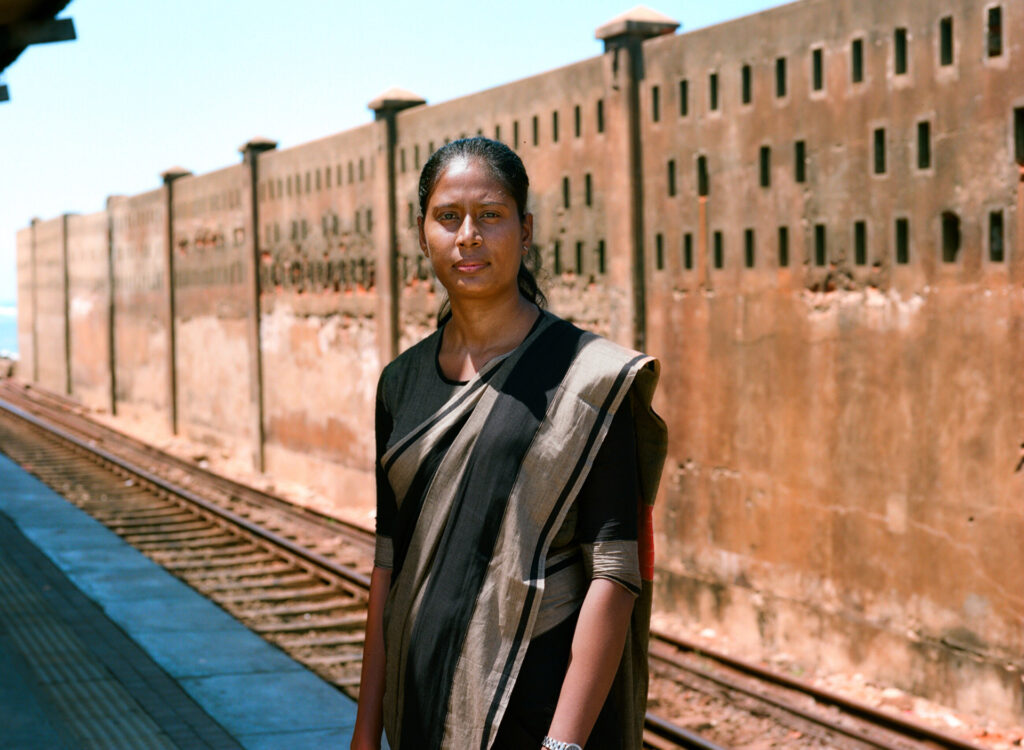
Hesha.
In the first few years I documented survivors in Japan, Mexico, Sri Lanka, the USA, but then the pandemic limited how I could travel and engage with new subjects for the photography series.
That’s when I innovated and started doing FaceTime shoots, which meant I could share survivors stories and portraits from all around the world at a time where the world was shutting down.
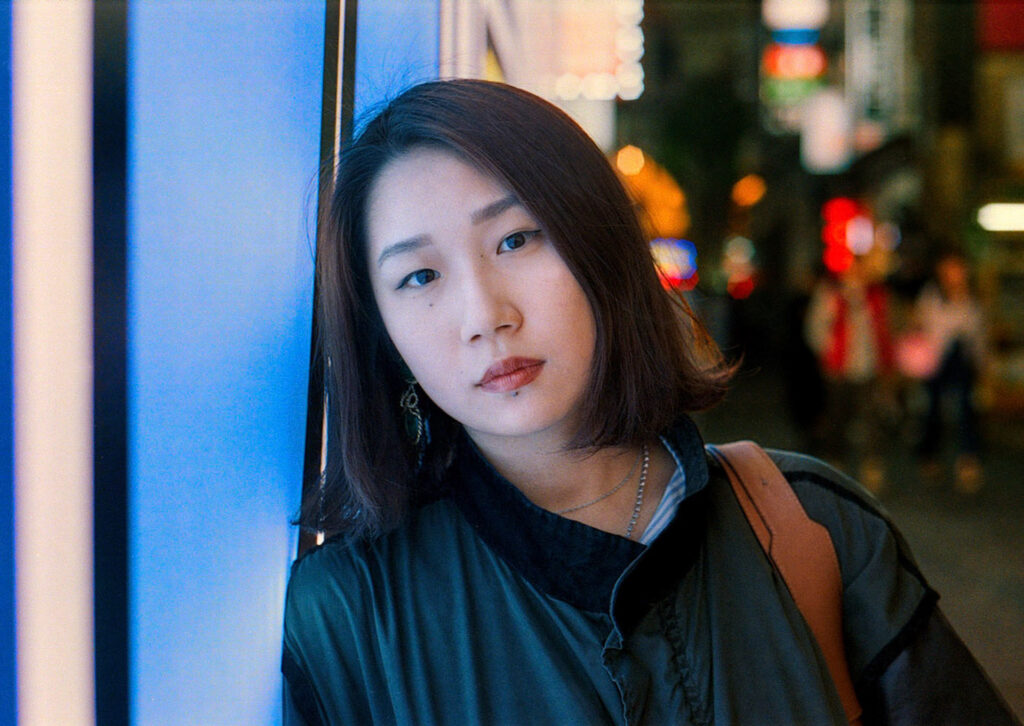
Makoto.
Them Frames: Sometimes it can be difficult to measure the impact of a photo series. But, this work was part of an awareness campaign about sexual harassment on public transport in Sri Lanka. How does it feel knowing this project that was once an idea is now helping shape safer futures for people?
Eliza Hatch: It will always be incredibly surreal to see a personal project, especially one rooted in art advocacy and photography, reach new audiences – especially international ones.
The impact from creative work such as Cheer Up Luv will always be hard to measure, however the Sri Lanka x UNFPA collaboration in 2018 was one which resulted in a much wider public awareness campaign, numerous impactful workshops, interventions within public transport networks and inspired meaningful conversations and national insight into the issue.
I think it speaks to the universal language and power of storytelling, and especially of the power of using art as a medium for change.
Them Frames: You interview your subjects, so I imagine you’ve listened to many difficult stories. How does this impact you? Does it make you want to go deeper into the work, or at times, is there a need to step back?
Eliza Hatch: There have been many times when I have been affected by the subject matter of the stories I retell through my photography, but also through my wider Cheer Up Luv platform. In the first few years of running the photo series, I overexerted myself and burned out in a big way, then had to take a break from doing non-stop shoots with survivors.
I have also experienced burn out almost yearly over the 9 years of doing this work, but I have lots of coping methods now for mitigating that happening, such as limiting my time on social media, doing more project specific photo series, rather than one long ongoing one, and creating stricter boundaries for myself.
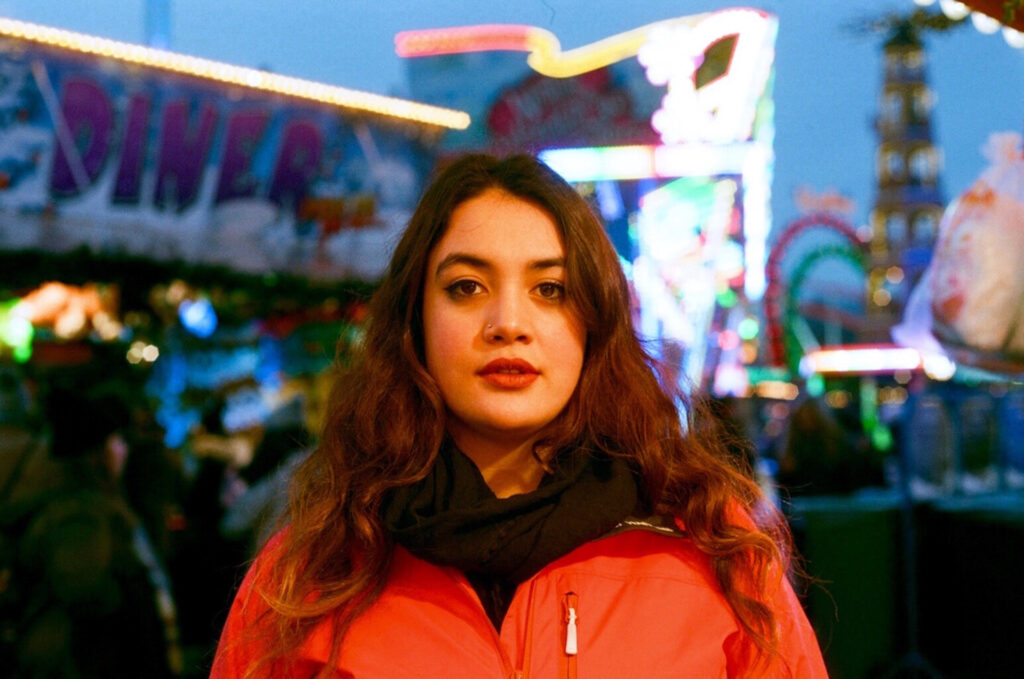
Clara.
There are also other kinds of challenges that I have faced in doing this work. I have experienced many obstacles over the past eight years of running the platform and project, including physical harassment while on Cheer Up Luv shoots, stalking and trolling, men’s rights activists turning up to my talks, having to continually advocate for the rights of women and people of marginalized genders and push against a fresh wave of backlash to MeToo and the feminist movement online.
Yet with every backlash or belittlement, I am even more motivated to continue the fight for ending gender-based violence. I navigate these challenges by taking strength from my community and the strong sense of solidarity and support that has been cultivated on the platform.
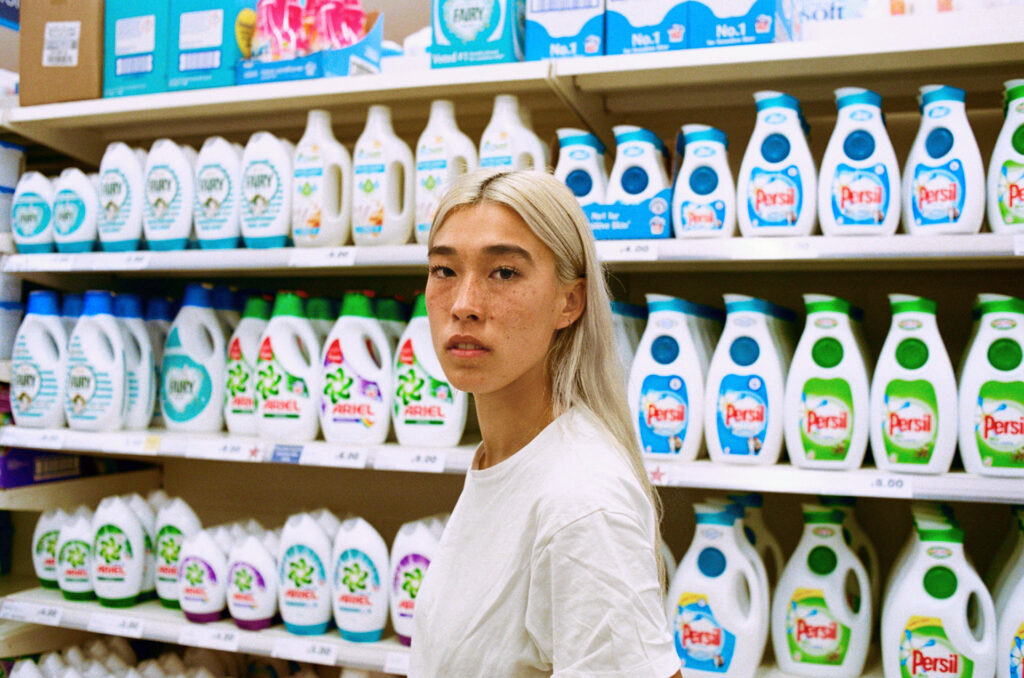
Florence.
Them Frames: As time goes on, how do you see the work evolving and what impact would you like it to have?
Eliza Hatch: There have been many exciting milestones in my career coupled with moments of imposter syndrome. As well as photography, I have experimented with various forms of media and visual communication to raise awareness about the issues I care about in order to reach more people.
I have photographed and retold 200+ women and people of marginalized genders stories, exhibited my work in the USA, Sri Lanka, Germany and Poland and delved into podcasting, curating and public speaking.
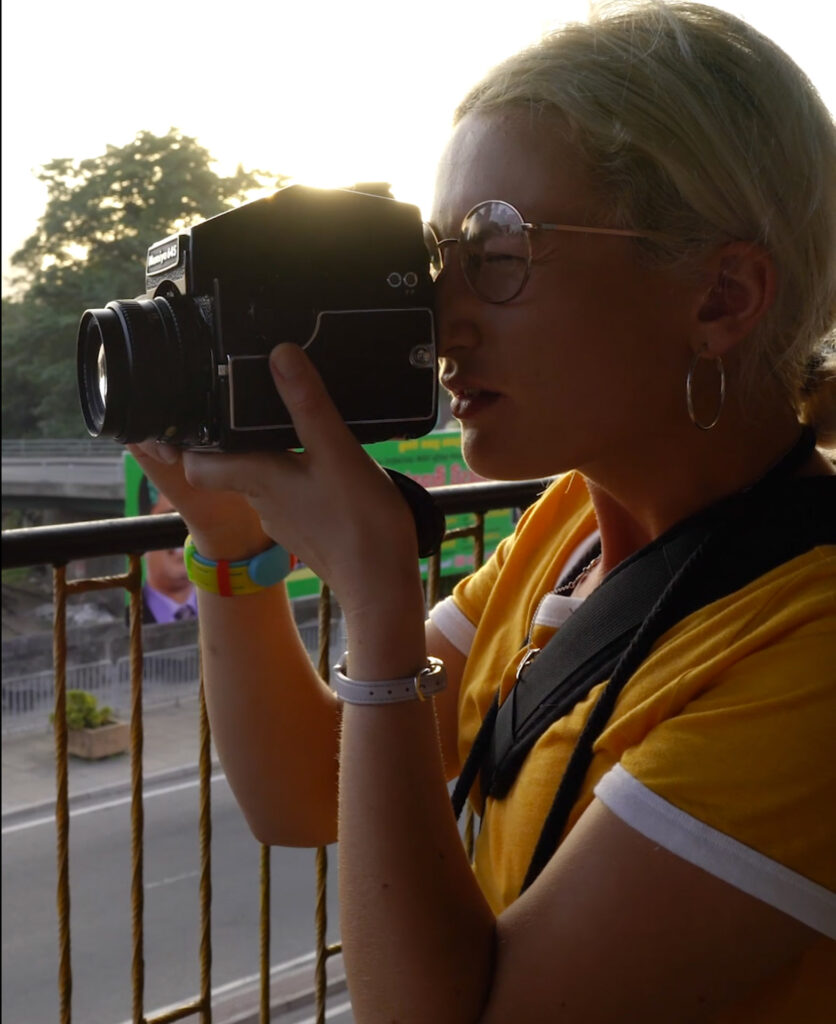
Over the past few years I have dedicated myself to work on specific photography projects related to certain themes, whether that be frontline workers experiencing harassment during Covid, a photo series profiling the trans inclusive skate crew for The Guardian or my most recent photo series Misogyny in Music for Glamour. I aim to treat every project I work on as a unique experience and opportunity to communicate about an issue which I think deserves attention.
I want to continue to reach new audiences and take on new challenges in my creative practice. It’s how I stay engaged and passionate about a topic which is inherently quite heavy at times. Using creativity as my tool for communication has been key to the longevity of the project and sustained passion, and key to my fight against ending sexual harassment and all forms of gender based violence.
You can learn more about the project by visiting the Cheer Up Luv website and Instagram. You can also visit Eliza’s website to see more of her photography based work.
More reading: Inside Breana Mazzagatte’s Intimate and Honest Portraiture
Want your work featured on Them Frames? Pitch us.