
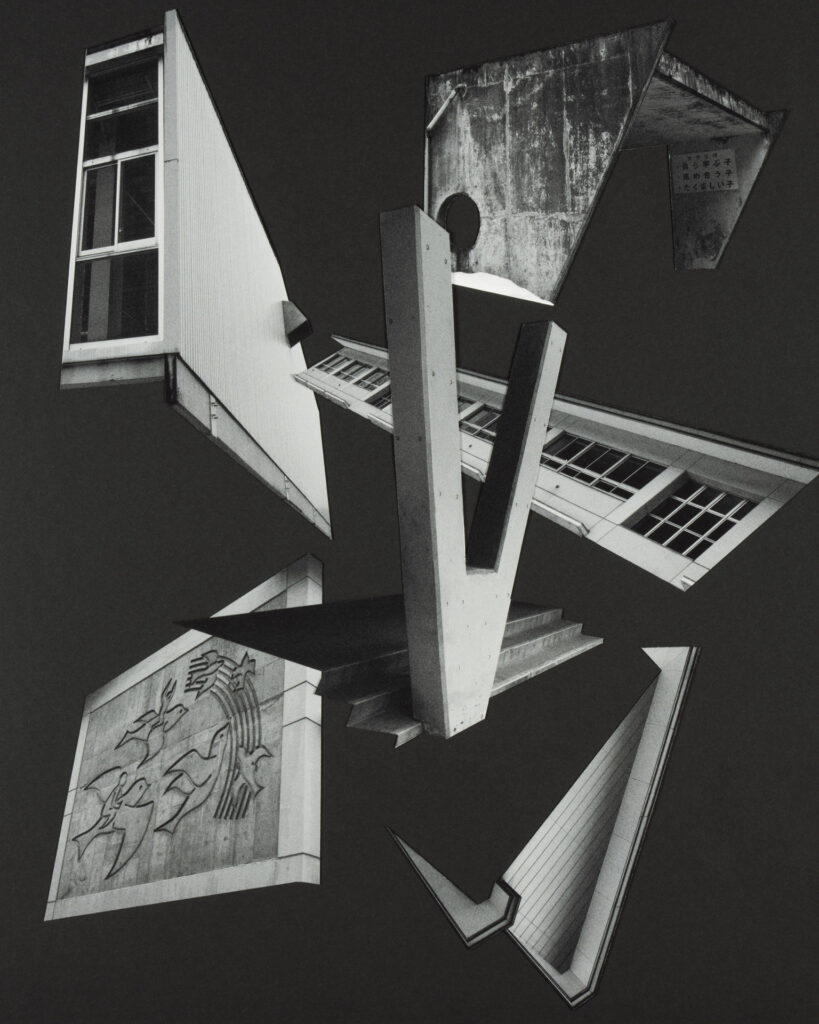
All images by Sayuri Ichida. Used with permission.
Communities were once the foundation of a well-functioning society. But in the past couple of decades, the idea of togetherness has slowly faded. Much of this has happened by design, as shifting landscapes have led to increasing depopulation. For photographer Sayuri Ichida, something needs to change, and she is creating imagery to help drive it.
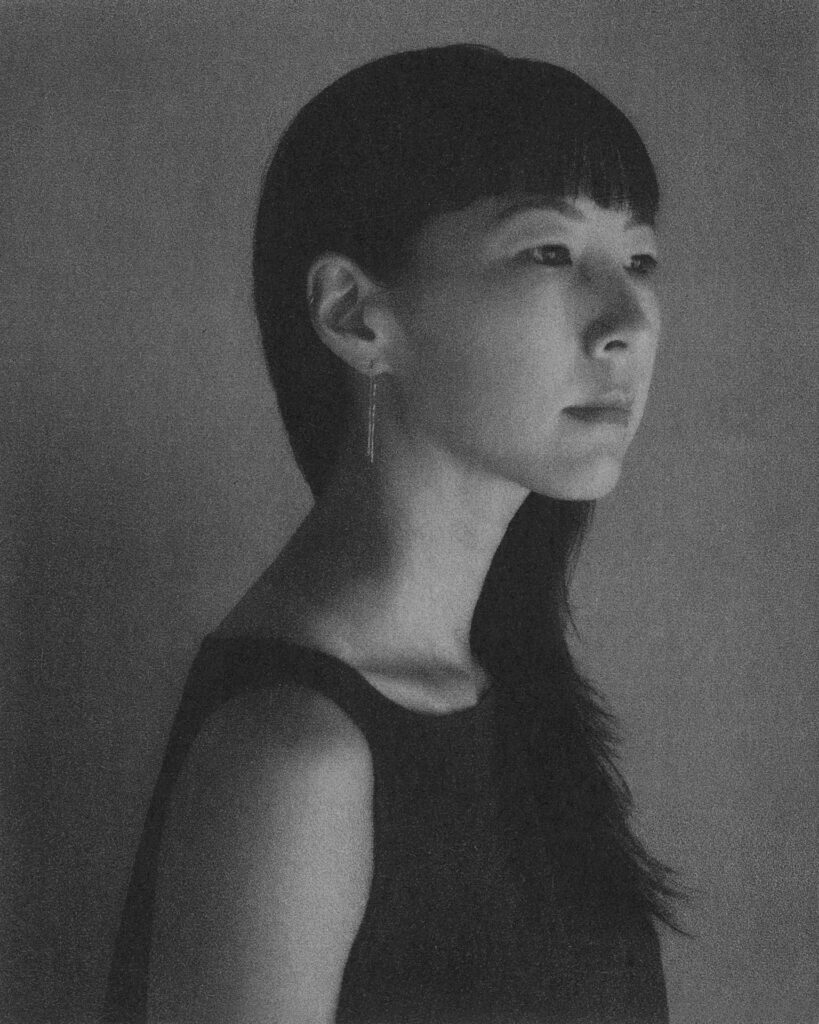
Sayuri Ichida
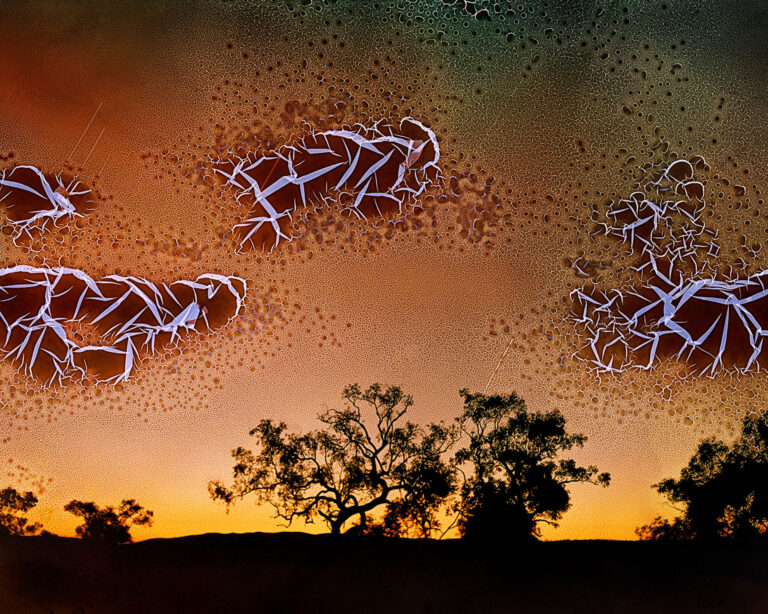
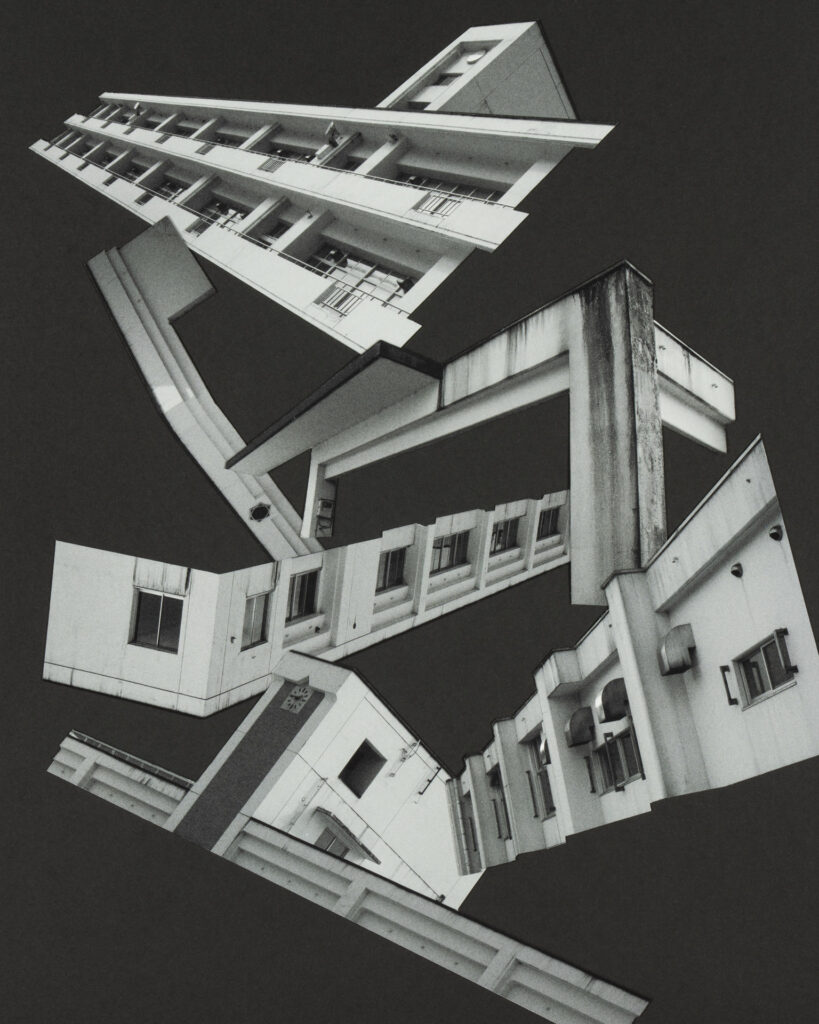
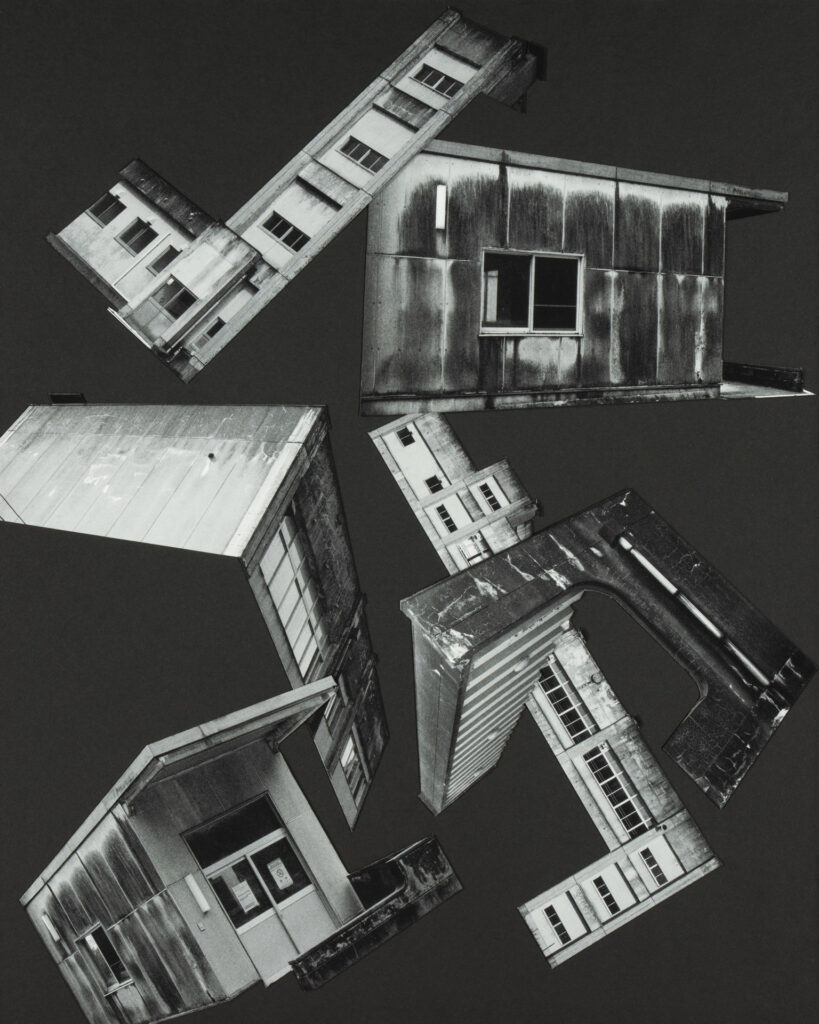
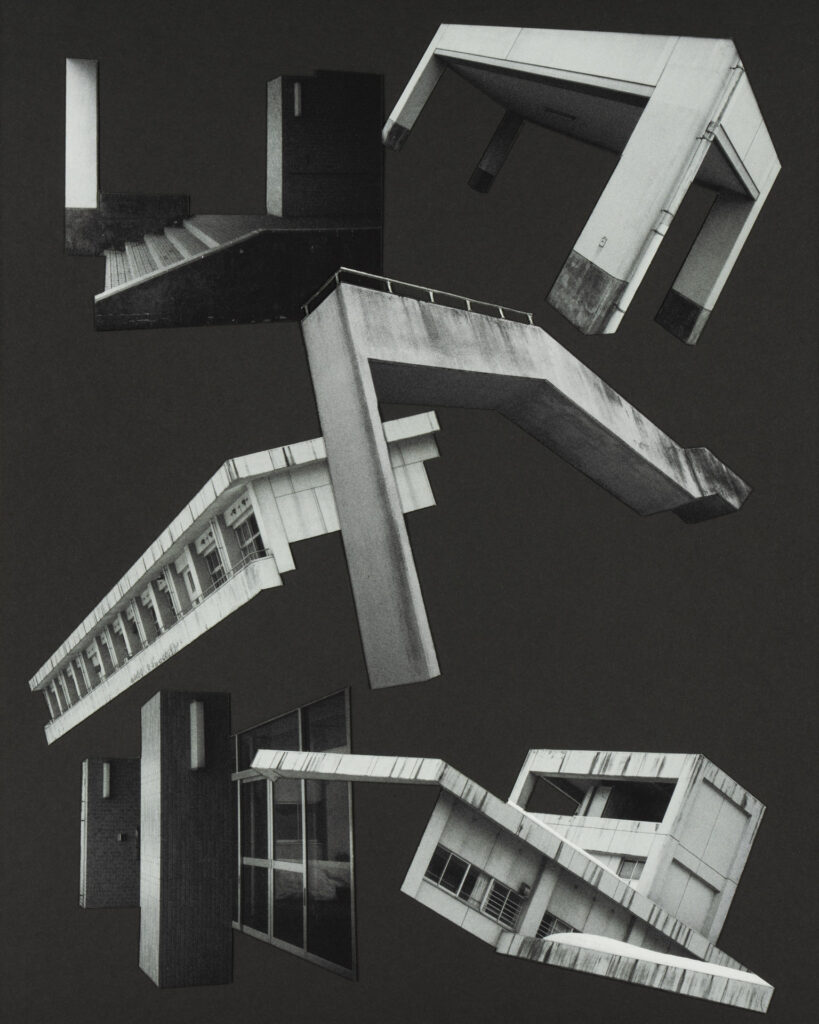
Ichida is known for her gentle works exploring shape and the human form. Her current series, Kuseki, takes a different approach. Blending cuttings and reworked imagery, the project highlights how evolving landscapes continue to shape and erode the communities we once built.
She has recently found a platform to bring this message to a wider audience. Ichida is the recipient of a £15,000 ($20,100) grant through the Jerwood/Photoworks Awards. Alongside mentorship from Photoworks and guest mentors, the award has allowed her to further develop the series.
Starting January 10th, Ichida’s work becomes a touring solo exhibition across the UK throughout 2026. To mark its launch, I caught up with her to learn more about the project and her response to winning the prestigious award.

Them Frames: This series seems different to the usual themes of your work. There’s a beautiful chaos to this series and I’m curious to know your motivation behind creating it?
Sayuri Ichida: Although this series may look different from my earlier work, it comes from the same long-standing interests in my practice — impermanence, absence, and the traces people leave behind.
The project connects to my experiences of rural Japan, especially my hometown in Niigata Prefecture, where depopulation was something I saw from a young age. When I was growing up there, two of the three local primary schools closed.
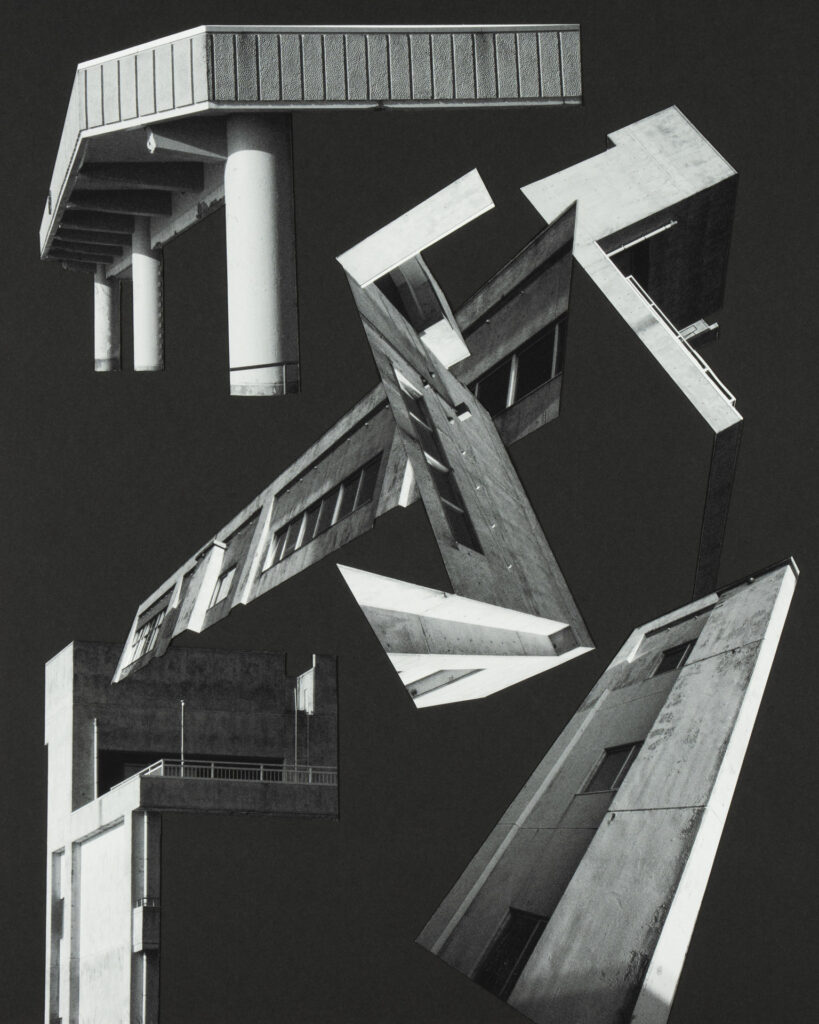
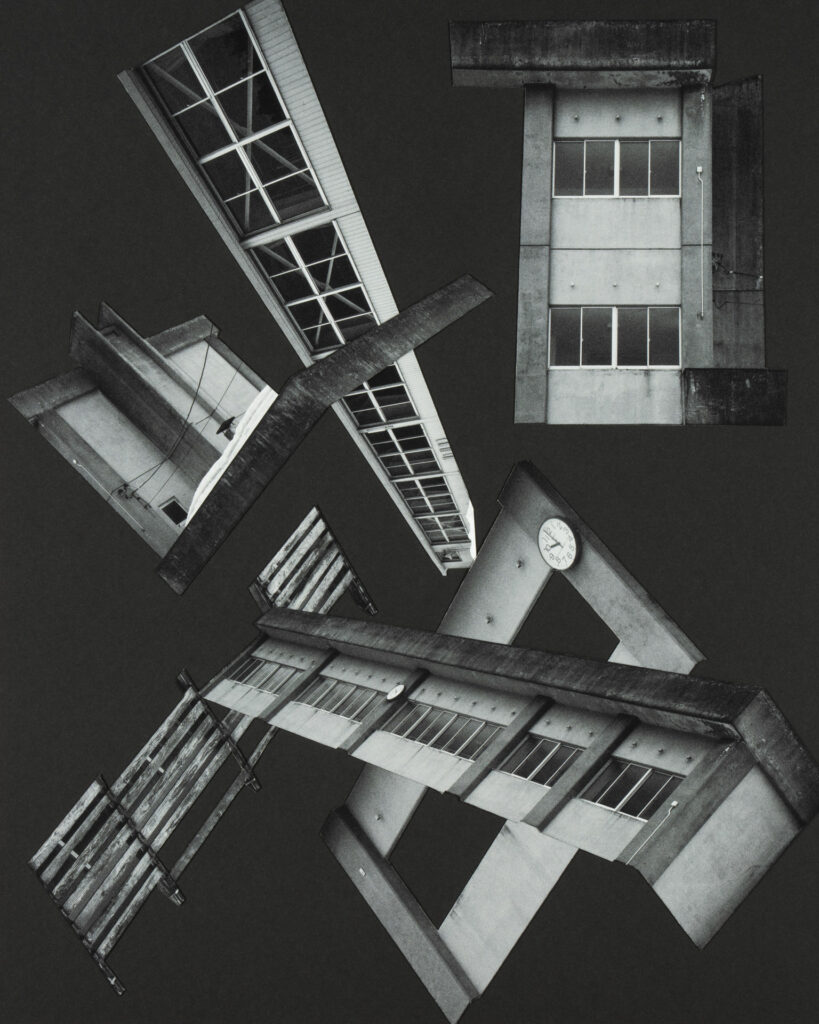
What changed in this work was how I allowed things to remain unsettled. Instead of making carefully resolved images, I started cutting, rearranging, and reworking photographs into fragmented forms.
This sense of visual disorder reflects the gradual decline of these places and the communities around them. Working this way felt like a more honest response to landscapes that are no longer complete, but still hold memory.
Them Frames: Why did you feel this particular project was the right one to submit to the award?
Sayuri Ichida: I felt this project was well-suited to the Jerwood/Photoworks Award as it focuses on an issue that deserves wider attention. Alongside its personal roots, the project speaks to broader concerns around depopulation and its long-term impact on education and community life.
While developing the proposal, I came across an article discussing the possibility of population decline beginning in the UK from 2025 onwards. This gave the project a sense of urgency and reinforced its relevance beyond a Japanese context.
I had also long wanted to work on a larger scale and to challenge conventional ways of presenting photography. Using chalkboards as a surface to print on felt important to me, as they are such an iconic object within classrooms and carry a strong sense of memory and use.
I knew that this award would enable me to properly test and realise this idea, both materially and within an exhibition setting.
Them Frames: Can you tell us what you were able to learn about the impact that landscapes can have on communities?
Sayuri Ichida: Working on this project made me realise how closely landscapes and communities are connected. In the places I spent time in, the landscape often looked unchanged, yet it reflected significant social shifts — particularly the absence left by declining populations.
What I came to understand is that landscapes can quietly carry the emotional weight of these changes. They are not passive settings but active parts of community life. Closed schools, empty buildings, and quiet surroundings shape how people experience belonging and memory.
The landscape holds traces of everyday use, even after those activities have stopped, and this lingering presence became central to how I approached the work.
Them Frames: How did it feel when you were notified your work was the winner?
Sayuri Ichida: At first, it didn’t quite sink in. Much of my work develops slowly and often in quiet, solitary conditions, so having it recognised in this way felt very affirming.
At the same time, the project deals with sensitive and complex realities, which made the award feel like a responsibility as well as an honor. It encouraged me to continue working carefully and thoughtfully, knowing that these subjects can resonate beyond my personal experience.
Them Frames: I think this work is perfect for print and exhibitions. What involvement will you have on curating the exhibition and how do you feel about its launch?
Sayuri Ichida: I’m closely involved in curating the exhibition, as the way the work unfolds in space is an essential part of the project. The process begins with physical photocollage, which then develops into screenprints made directly onto chalkboards.
These are presented in free-standing frames that reference classroom blackboards, alongside handwritten information about each school.
The exhibition also includes sound and children’s drawings installed directly onto the gallery walls, extending the work beyond photography alone. Bringing these elements together allows the project to move between image, object, and lived experience.
I’m very much looking forward to the launch. As the exhibition tours, I’m interested in how these elements respond to different spaces and audiences. Each venue offers an opportunity for the work to shift slightly, which feels closely aligned with the themes of change and transition that run through the project.
Kuseki will be touring in the following venues: Drawing Rooms, London, Barnsley Civic, Ffotogallery and Street Level Photoworks in Glasgow.
You can see more work by Sayuri Ichida by visiting her website and Instagram.
More reading: Rafaelle Lorgeril Explores Escapism Through Photography