
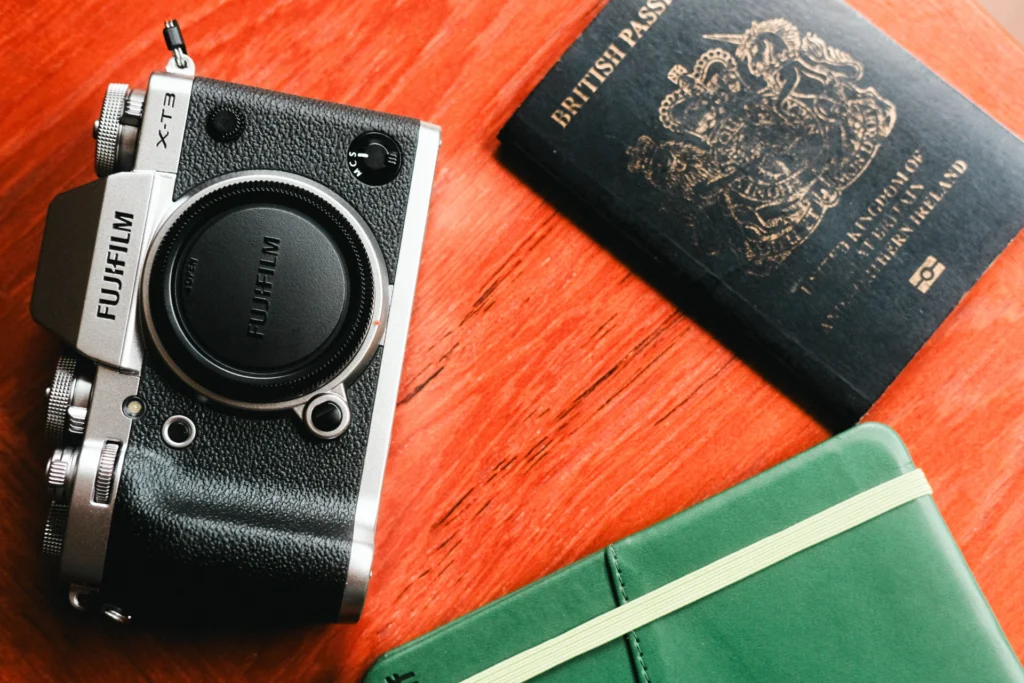
Released in 2018, the Fujifilm X-T3 is an “old camera” by today’s standards. Despite that, it’s been my daily driver for the past three years and I have zero intentions of upgrading any time soon. To help explain why it’s my camera of choice, I’m writing this Fujifilm X-T3 review, and hopefully it also helps you get a great deal on what’s still a more than capable camera.
Since its release, Fujifilm has put two new flagship X-T cameras on the market, with a third reportedly on the way. There’s no doubt the X-T4 and X-T5 came with obvious upgrades. The battery life for starters promises over 600 shots per charge, on the X-T3 is around 325 shots.
In-body image stabilization (IBIS) also came with the X-T3’s successors, allowing photographers to shoot at slower shutter speeds and still enjoy sharp photographs.
And while the X-T3 and 4 shared the same 26-megapixel sensor, the X-T5 ships with a new 40-megapixel sensor with improved processing power. The main advantage of this is having the ability to crop images in post, without losing as much detail and having more pixelated images.
Although these upgrades sound good on paper, and no doubt offer some advantages, in real world day-to-day use, they’re not enough to put the X-T3 on the shelf. And I’m going to share in more detail some of the positives and negatives I notice when using this camera on a daily basis.

TL;DR Fujifilm X-T3 Review
The Fujifilm X-T3 might lack the headline features of newer flagships, but in real-world use it remains a deeply satisfying camera to shoot with. Its blend of tactile controls, reliable image quality, and strong value on the used market make it a compelling choice for photographers who care more about the experience and results than chasing specs.
Pros
- Excellent image quality from the 26MP APS-C sensor, even by today’s standards
- Classic Fujifilm design with dedicated dials and a truly tactile shooting experience
- Strong color, contrast, and detail straight out of camera
- More than capable for portraits, street, and everyday photography
- Outstanding value when bought used in 2026
Cons
- Battery life lags behind newer X-T models
- No in-body image stabilization (IBIS)
- Autofocus can struggle in fast-moving or reactive situations
- Overheats during longer video recordings
- Build doesn’t feel as premium as some newer competitors
- Fewer film simulations compared to new Fujifilm cameras
What I Like About The Fujifilm X-T3
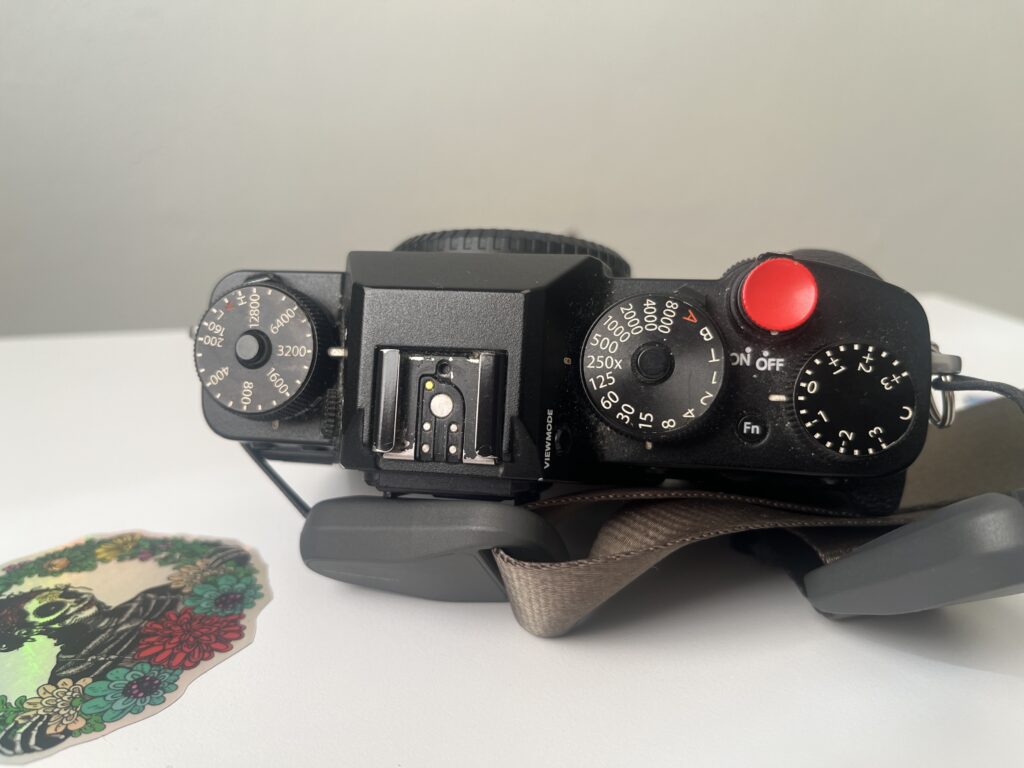
My favorite thing about this camera is the design. Having the ISO and shutter speed dials on the exterior makes it a joy to use, especially when I pair it with a lens that has an aperture ring. It gives you that tactile feel. Granted you get the same experience with all X-T cameras, but it’s still worth noting.
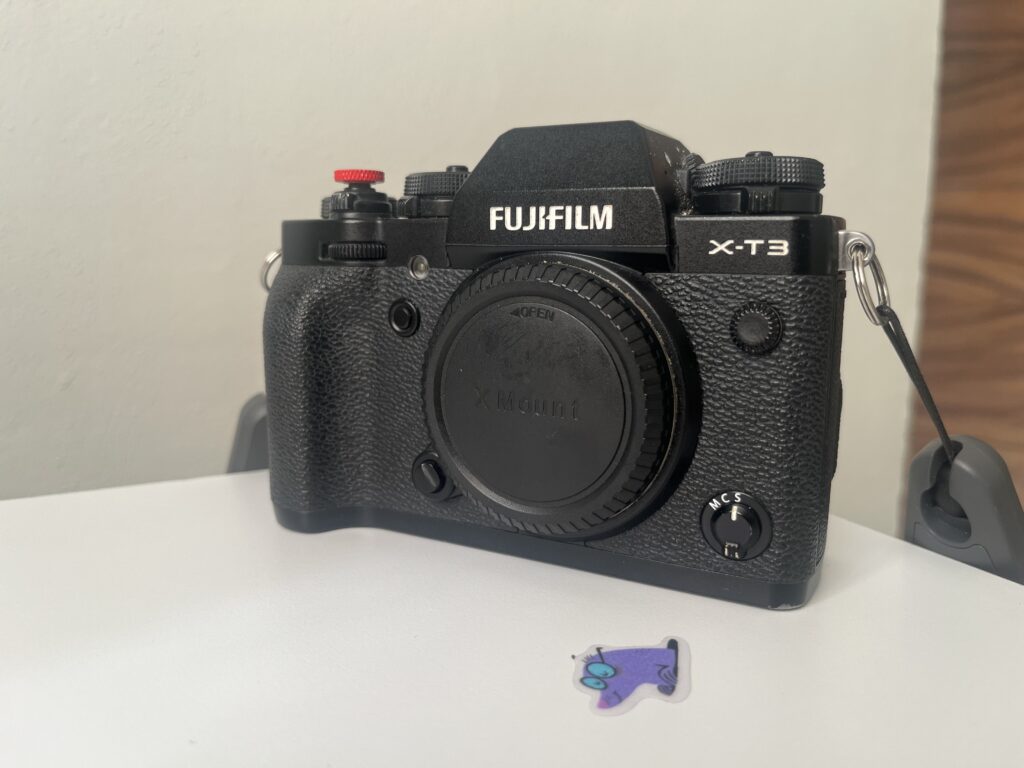
Next is the image quality. I tend to pair the camera with Fujifilm 35mm f2 or the Viltrox 23mm F1.4. The detail, contrast, colors are all superb. Sure, compared to the latest models you’ll see more noise (grain) when shooting at a higher ISO in low light. But, personally I think it’s part of the charm of using these film-like cameras.
Autofocus is a topic of contention on all Fujifilm cameras. If I’m doing portraits or methodical street photography then I have zero complaints. For street photography I tend to turn off face detection though, as it sometimes chooses the wrong face to focus on if I’m photographing in a crowded place.
There are times when I need a quick, reactive shot and autofocus doesn’t act quick enough. While that’s rarely an issue for me, I can see why photographers in more fast-moving genres such as sports may get frustrated with the camera, or Fuji’s in general.
In terms of the 26 megapixel APS-C sensor, several photographers have become concerned about printing their images. I’ve printed and sold images made on this camera up to 60cm x 40cm and (modestly) they look beautiful and full of detail. For most of us, we can make household prints with no issues on these smaller sensors.
My Fujifilm X-T3 Frustrations
One of the main gripes I have with the X-T3 (I also had it with the X-T2) is the focus illuminator. The purpose of this feature is to light up your subject in low light so the camera can focus before the flashlight fires off. Well, in my experience this works if and when it wants to and is seldom consistent. Most of my flash-based shoots require a bit of trial and error, plus experience of focusing and composing in lowlight.
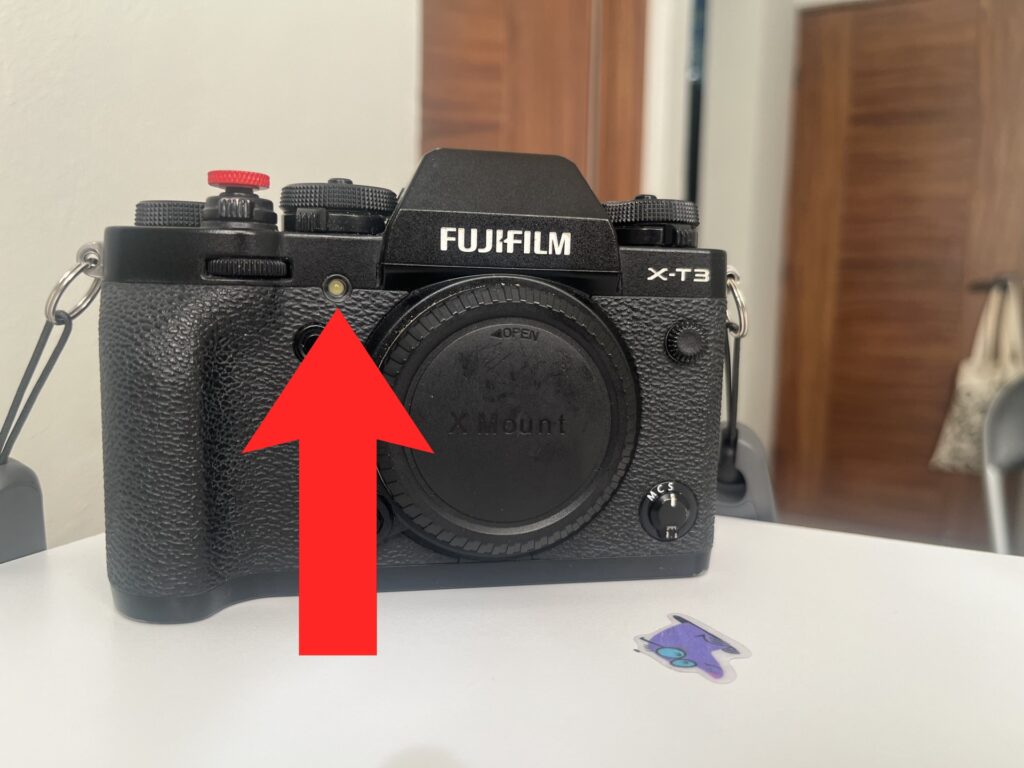
Focus illuminator
I don’t necessarily have an issue with the build quality. Like I say, I love the layout of the camera. But since holding a Nikon ZF and Leica Q3, the Fujifilm lost a bit of its charm. The dials don’t feel as robust as the other two cameras I’ve mentioned. But, this is a classic case of wanting what I don’t have and I should make it clear Fuji makes great cameras.
I’m not a videographer, but I do make simple videos for YouTube. Pretty much anytime I need to do a long form video, say 25 minutes or longer, the XT-3 overheats and shuts down. I became so frustrated with it from a video perspective that I began using my iPhone 13 which does the job I need it to do.
Battery life is naturally a cause for frustration, especially since I used to shoot with a Nikon D610 which had a battery akin to a Cockroach; it would never die. The work around is I carry four batteries with me at a time. In reality, this a first world inconvenience, but it’s one you’ll notice more on an X-T3 or older models compared to the latest iterations of the series.
Unedited Image Samples
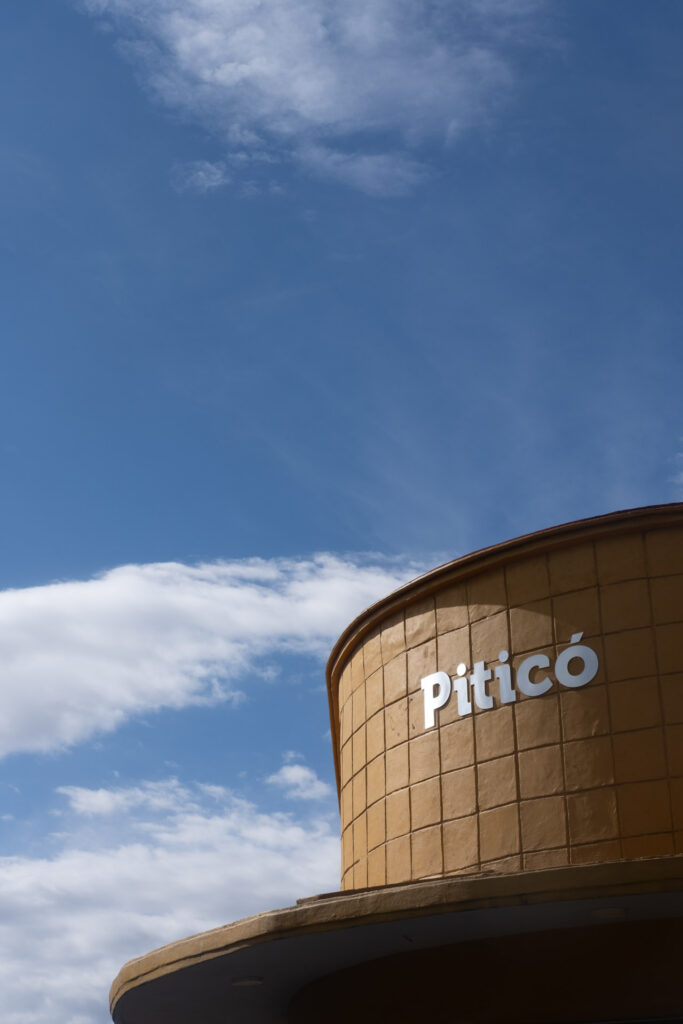
Below is a selection of images straight out of camera. I’ve had to resize them for loading speeds, but here’s a link to the full-res versions.





Edited Image Samples
To show you what you can do with images made in the Fujifilm X-T3, below is a selection of edited images.





Why Recommend The Fujifilm X-T3 in 2026?
With newer cameras available, you may wonder why I’m eager to suggest the Fujifilm X-T3 in 2026.
The main reason is I’m big on resisting upgrade culture. It doesn’t sit right with me that we’re encouraged to buy the latest cameras when older, more than capable cameras are still available. Society has become too quick to write off quality systems just because they’re five or more years old and, logically, it makes no sense.
Another reason is access. The Fujifilm X-T5 costs $1800 brand new on Amazon. The rumoured X-T6 may cost even more. That’s a good chunk of change and if people think older models aren’t up to task they may be priced out of owning a camera – I don’t want that.
Granted you’d be pushed to find a brand new X-T3. But, I bought mine on the used market and have had zero issues. MPB sells Like-new models for around $930. I got mine in the Good condition category for around $800, and to the naked eye it looked brand new, at least to me.
There’s even an argument to get an X-T2 if you’re really on a budget, and I have some friends in the industry that still swear by the OG X-T1.
Who Is It For?
This camera is perfect for street and travel photographers. Because it’s lightweight (539g) the X-T3 is super portable; especially if you pair it with a prime lens like the 23mm or 35mm. It’s also suited for those who prefer a more methodical approach to photography and don’t need super fast auto-focus or burst mode (the X-T3 offers 11fps).
Related: Best Street Photography Camera You Can Actually Buy
Portrait photographers can certainly make the most of this camera, and you can pair it with the Fujifilm 56mm f1.2 for the best results. Honestly, unless you’re a wildlife or sports photographer, this camera could easily be for you.
Signing Off
If you have the cash and really want the latest camera models, please go ahead and buy them. It’s not a bad choice to buy the Fujifilm X-T5 and you’ll certainly notice some advantages. But, it would be wrong for us all to sit and pretend the X-T3 is a bad camera in 2026.
When I look at the images I create, I ask myself “would I like them more if I made them with a newer model?”. The answer is no. This camera is more than capable of helping you achieve your desired outcomes in most situations, and I predict this statement to be true for many years to come.
You can buy a used version of the Fujifilm X-T3 on Amazon and MPB.
More reading: MPB Reviews: The Best Place to Buy Used Gear?
Want your work featured on Them Frames? Pitch us.
Editors note: This article contains a small handful of links which gets Them Frames a small kickback if you use them to make a purchase.