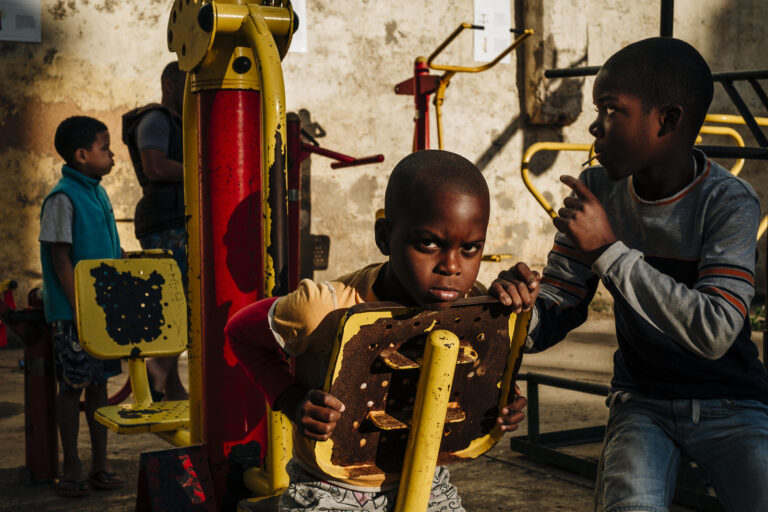

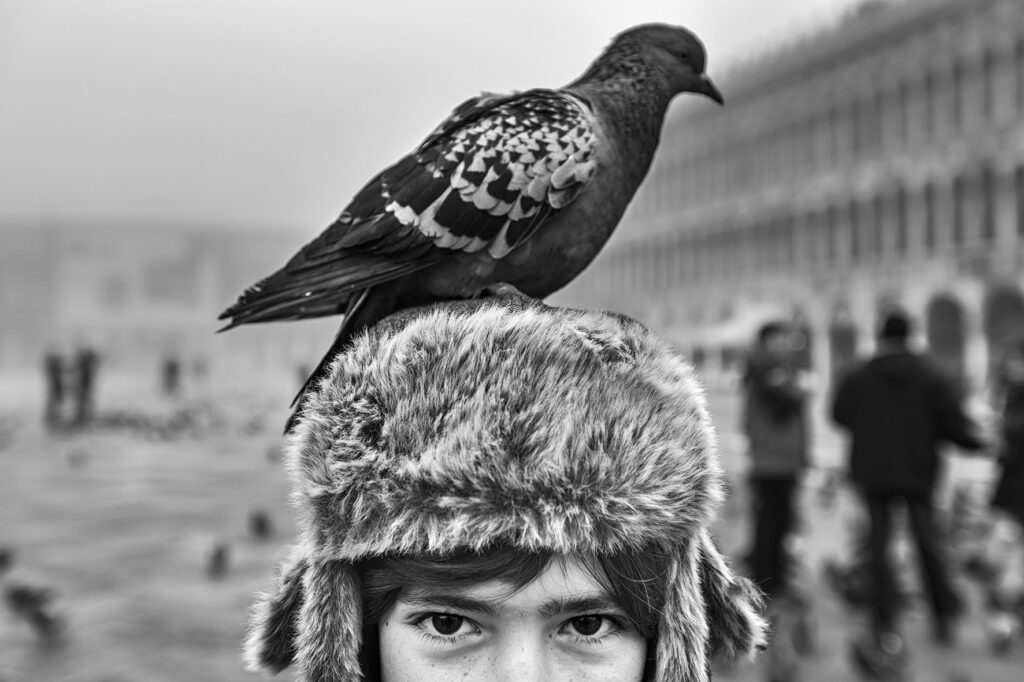
All images by Mustafa Seven. Used with permission.
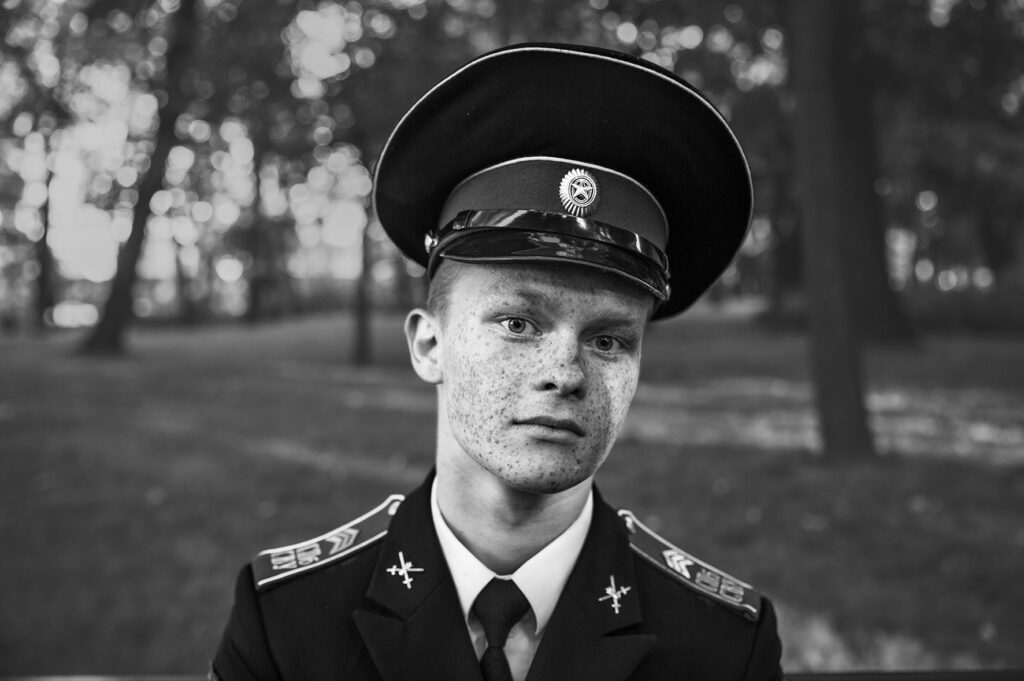
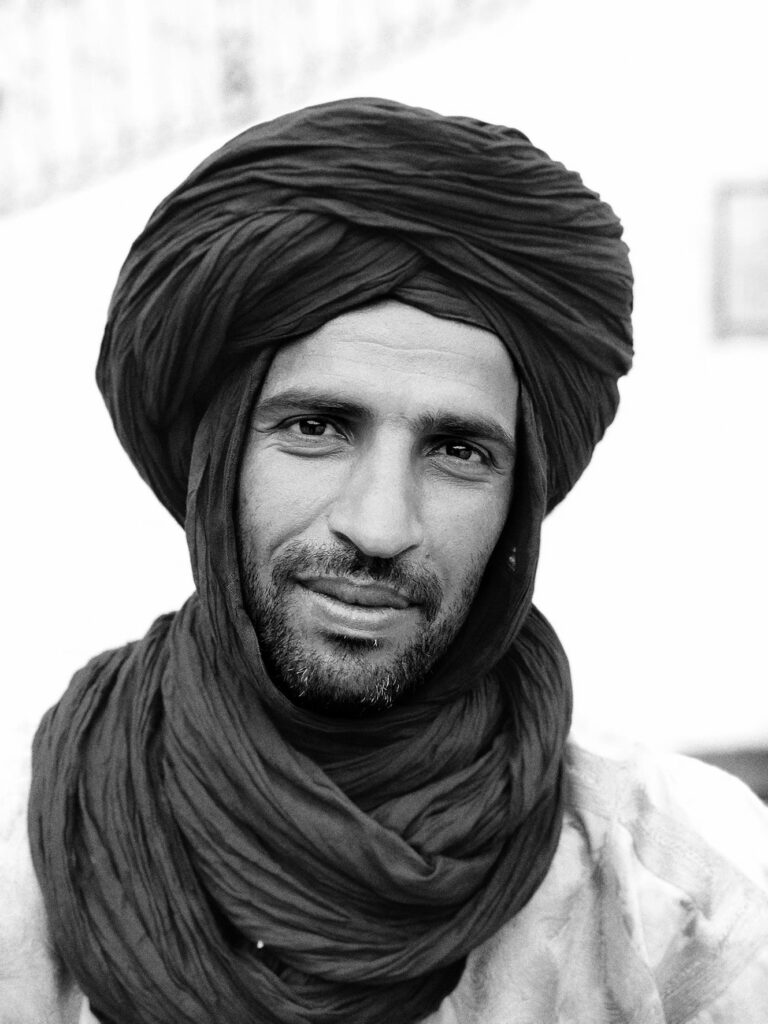
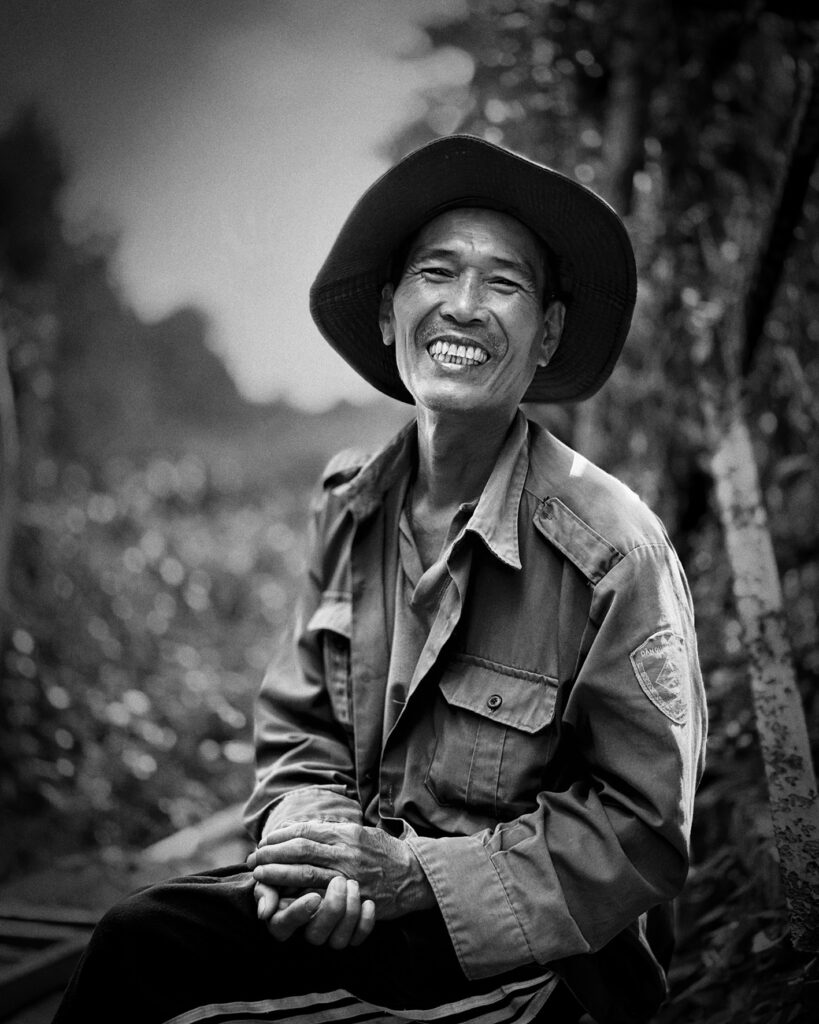
Having had a long and distinguished career, Mustafa Seven is a well respected name in photojournalism and the wider photography community. For more than 30 years he has been telling human stories through photography, while revealing his deep admiration for the people he meets. Nowhere is this more evident than in his ongoing series, Faces of Earth.
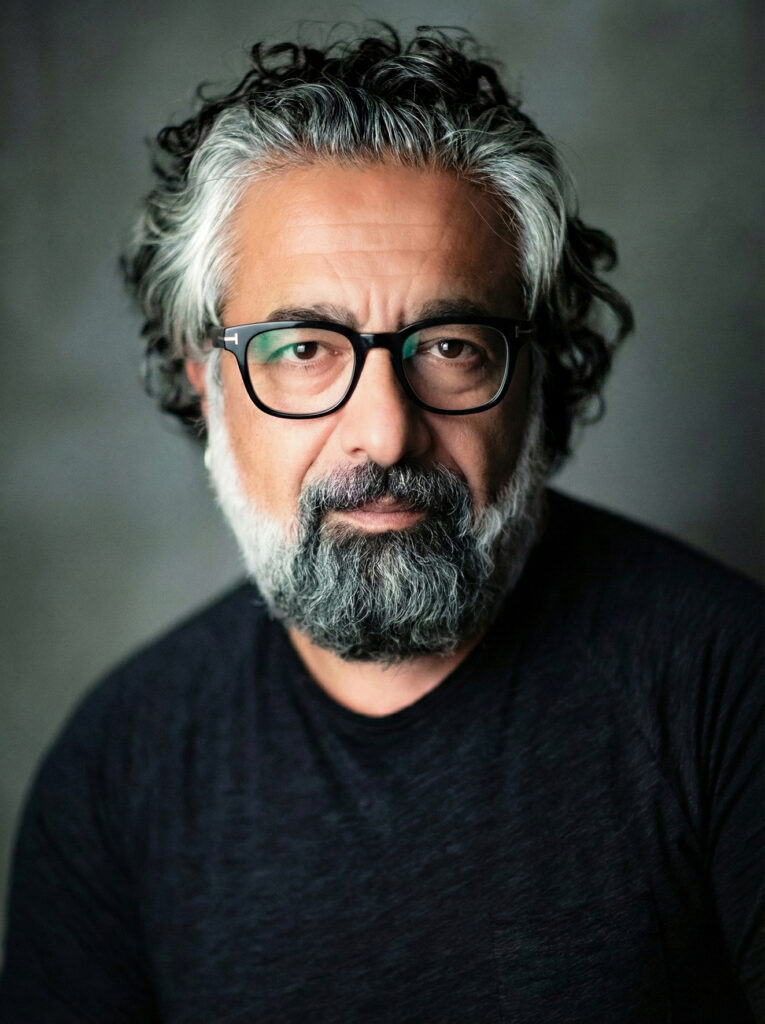
Mustafa Seven.
Born and raised in Türkiye, Seven carries a naturally positive demeanour. He is warm, open and approachable, and it is clear this translates to his subjects and helps explain why he has been able to tell their stories for so long.
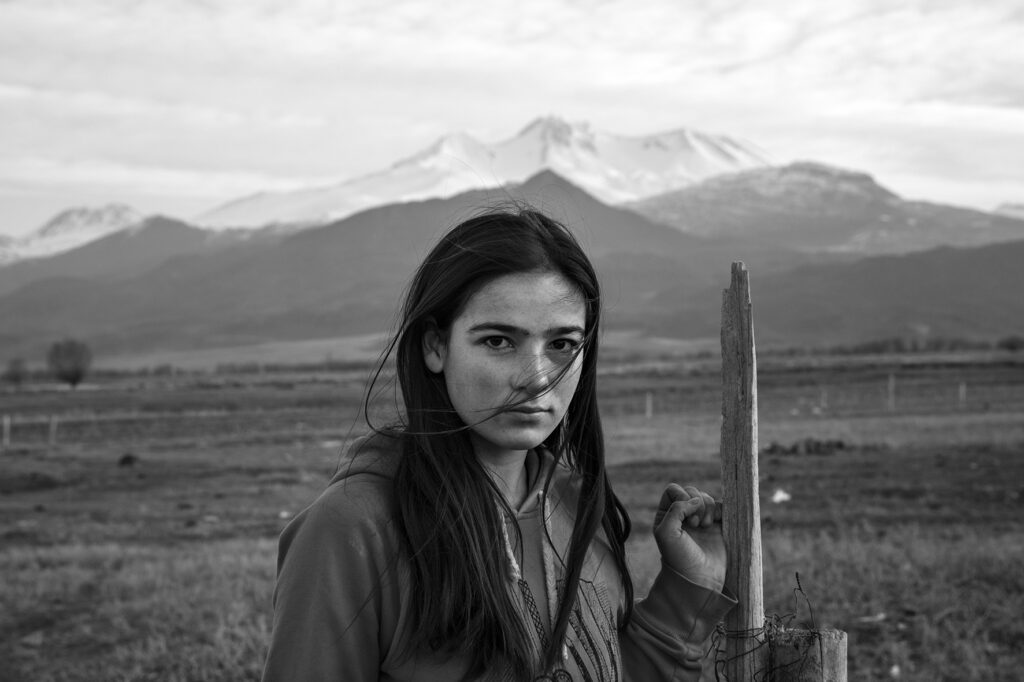
Through a range of intimate and environmental portraits, Seven has built a body of work that highlights our diversity. Without exaggeration, if you spend time with each portrait you begin to see the person in the frame, truly see them, and understand something of their personality. That does not happen by accident, but through years of refining his craft and knowing how to get the most from the person in front of the lens.
As with any seasoned professional, I wanted to tap into Seven’s wealth of knowledge and experience. True to form, he was generous with his time, happy to answer my questions and invite me into his world.
Them Frames: Hey Mustafa! Can you tell us about your early career as a photojournalist. How did you see the world back then and how did it shape the type of photographer you are?
Mustafa Seven: I still remember how excited I felt the first time I held a camera in my hands. It was a Zenith 112, back in 1993 and I was only 19. I didn’t know anything about photography back then, but I immediately went to a second-hand bookshop and bought a basic book on the subject. More than thirty years have passed since that first encounter, and I’ve never put the camera down.
Interestingly, my first dream wasn’t photography – I wanted to be a cartoonist. In those years I was drawing cartoons for amateur magazines and newspapers, and through that I met many journalists. Those connections opened the door to my professional life in photojournalism, which began in 1995.
My first serious experience was with Sabah, one of Türkiye’s largest media groups at the time. From there, my career in institutional photojournalism continued for 17 years, until I left Akşam newspaper in 2012, where I was working as a photo editor.
Looking back, I can see that what truly shaped me, both then and now, has always been curiosity and a deep interest in people and social issues. Even as a child, I remember going to the busiest parts of Istanbul, stepping aside, and simply watching people for hours. I was always curious about the city, about human behavior, about the stories unfolding in front of me. And I think it’s that curiosity, and that lifelong pull toward the human story, that ultimately created the photographer I am today.
Over time, the feeling that began in childhood expanded beyond its original boundaries and spread across a much larger geography. At the very beginning, my urge to tell stories found its tool in drawing. Later, that tool evolved into photography but the intention never changed. I’m still following the same path, just with a different language in my hands.
Them Frames: What was life like growing up in Sivas, Türkiye? Were you always creative?
Mustafa Seven: I didn’t actually grow up in Sivas. I was born there, but my family moved to Istanbul when I was just one year old. Sivas is one of the cities in Türkiye that has long sent large numbers of people to Istanbul, so my connection to it is mostly through my roots. The place that truly shaped my identity was Istanbul.
If I had stayed in Sivas, I honestly don’t know if my story would have unfolded in the same way. Growing up and living in a city like Istanbul, a city that’s layered, multicultural, cosmopolitan, and at once both mystical and chaotic, has been a real privilege. Istanbul has a way of shaping everyone who lives here; sooner or later it makes you a little more like itself, as long as you allow it and don’t resist it.
And to answer your question directly: yes, I’d say I’ve always been creative. When I was around seven or eight, drawing entered my life and gave me a space of my own. It was a way to build a personal language.
Later, it also became a bridge into street culture. Over time, almost any place could become an outlet for expression, including the walls of the city itself. In high school, that impulse took more structured forms too, like the cartoon club I founded and the school newspaper. In the end, what I can say is this: without Istanbul, I don’t think I would have been able to create such a wide space for myself.
Them Frames: Looking at Faces of Earth: What inspired this series of portraits?
Mustafa Seven: As I’ve mentioned before, the human being is the most essential element in how I express myself. People – the traces they leave behind and the spaces they shape – have always been the main source feeding my curiosity. I began Faces of Earth in 2014. I had photographed portraits before, but without a clear discipline or a defined framework.
You might find my relationship with Istanbul a bit “unhealthy,” but honestly, Istanbul was once again my greatest inspiration. Because the people of Istanbul, like the city itself, are layered, multicultural, and chaotic. Millions of people from different countries, cultures, and religions live together here, and yet, over time, Istanbul gives them a kind of shared form. It leaves its own imprint on their faces.
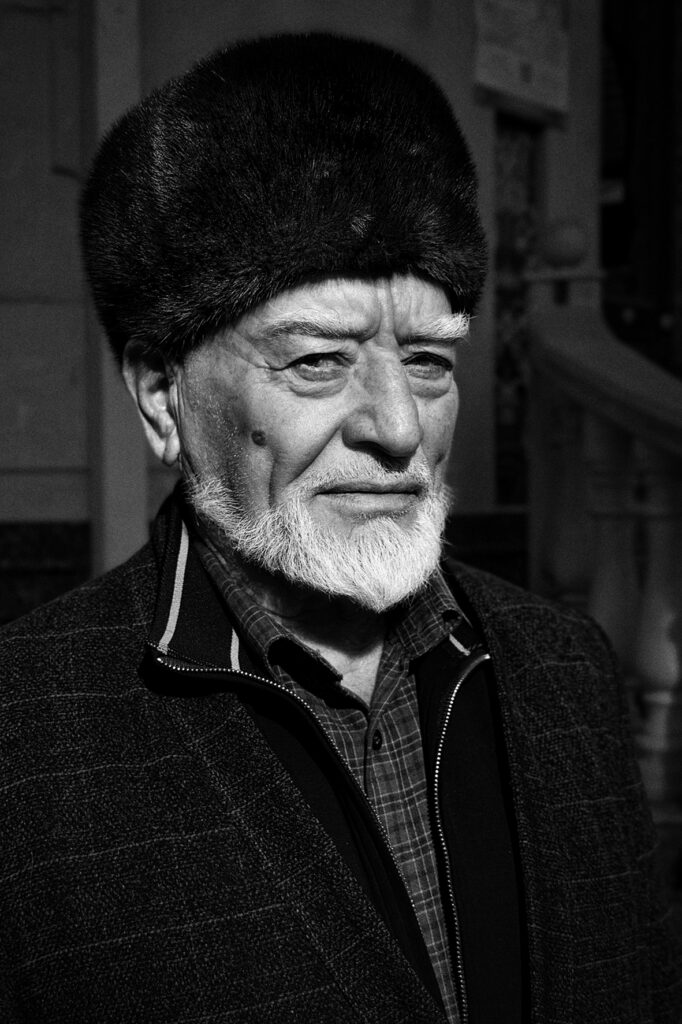
Some might say the same is true for many global metropolises, but I don’t entirely agree. What makes Istanbul different is that it is a city that connects East and West and has grown largely without a strict plan. It formed through constant movement, friction, and transformation.
So the central question behind this project has always been: how do the faces shaped here resemble (or differ from) faces shaped in other parts of the world?
The series was built around that question. And honestly, my answer is still unfinished. I want to continue this work for many years and keep searching for that answer through photography.
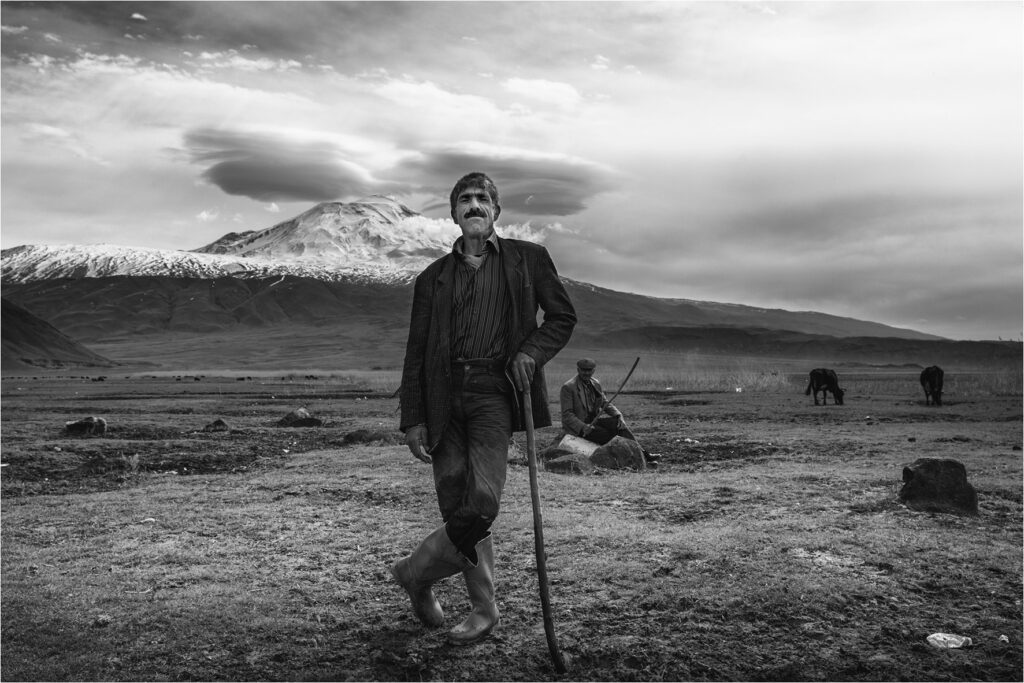
Them Frames: Are they candid street portraits? How do you approach potential subjects?
Mustafa Seven: Yes, these portraits are all made in the street, or inside a space, through chance encounters. I don’t really have a fixed definition for how I choose my subjects. It’s mostly intuitive, people I feel an emotional connection to at that moment.
For me, the most important thing is how a person relates to the question I’m chasing. If I sense that connection, something subtle but real, I choose to make the portrait. Of course, I speak with my subject before I photograph them, but I try to keep that interaction simple.
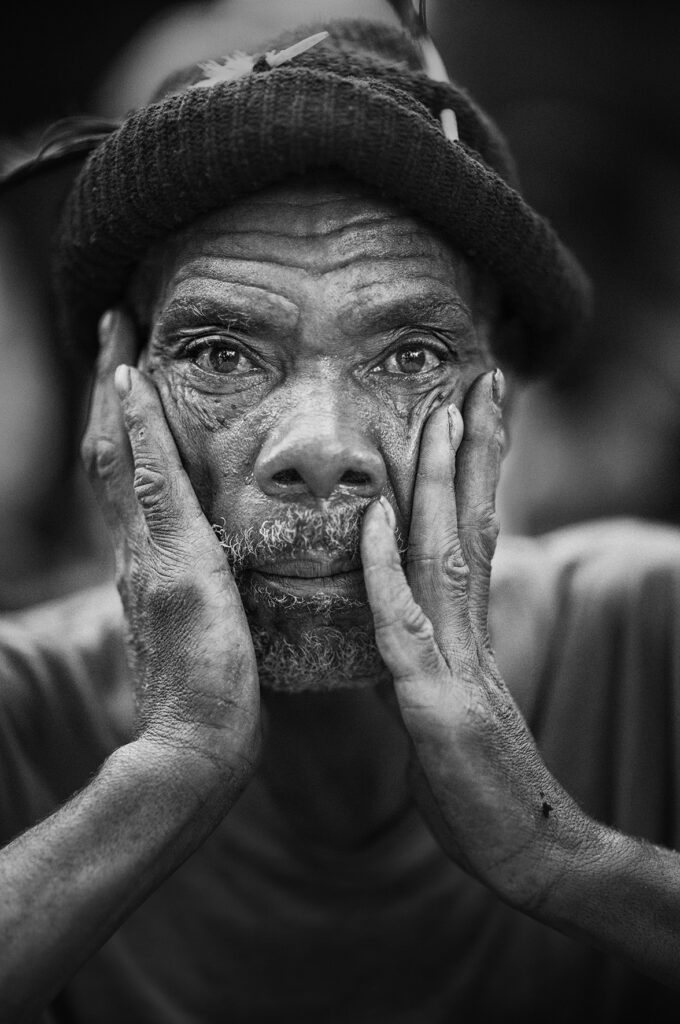
I don’t want to gather too much information or build a heavy narrative around them, because I prefer the photograph to be shaped by the feeling of the moment rather than by a constructed story.
During the shoot, I also avoid too much direction. I want them to remain in their own emotional space, in their own reality. I believe that’s when expressions become more honest and when viewers can form a more direct, more genuine connection with the person in the frame.
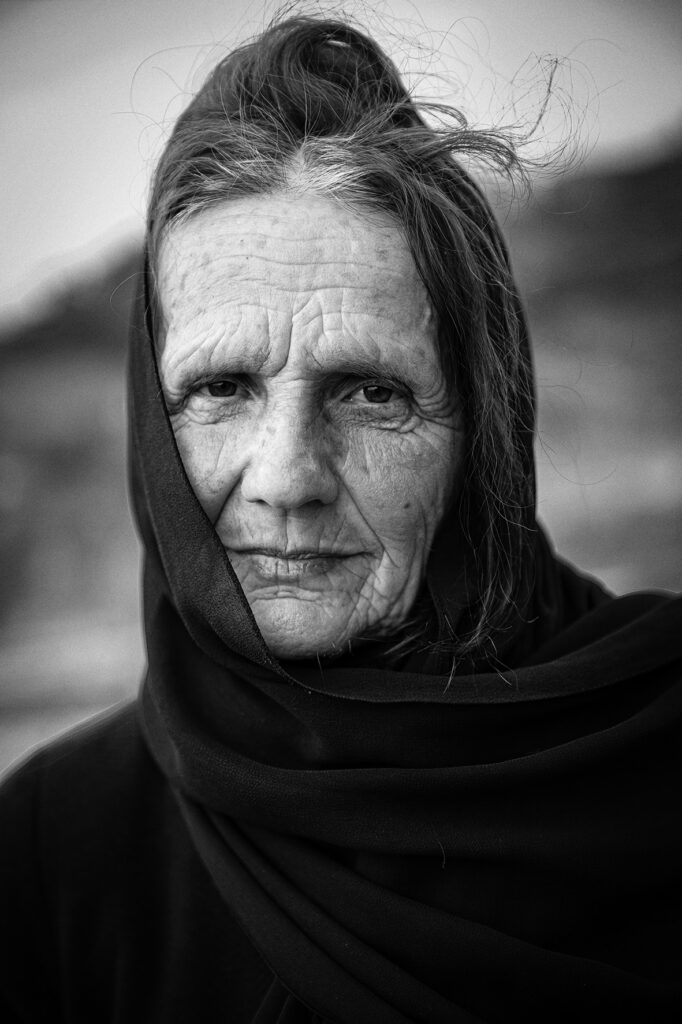
Them Frames: You’re well traveled. Outside of Türkiye, where are some of your favorite countries to make portraits of people and why?
Mustafa Seven: Yes, I really do travel a lot and I have to admit, it can be exhausting at times. I don’t think it would be fair to name just one country, but I can describe the kind of places that draw me in when I’m making portraits.
I’m often drawn to major metropolises, although I’ve made portraits in small towns and villages as well. The reason I gravitate toward big cities is that I’m trying to document the shape and the weight that urban life places on people.
A metropolis isn’t just a backdrop; it seeps into a person’s face, body language, gaze – even their silence. And in my portraits, I’m often looking for that trace the city leaves behind.
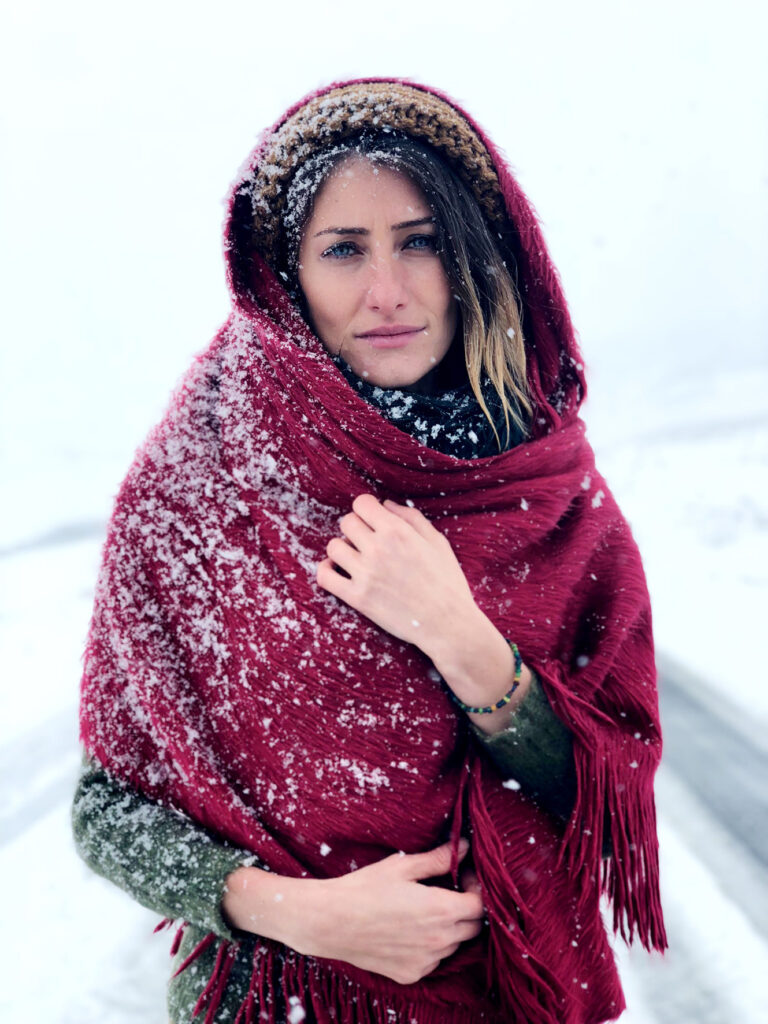
Them Frames: You’ve been working in photography for 30 years: How do you feel about the career you’ve had? Would you change anything?
Mustafa Seven: Overall, I’m happy with what I’ve done. Could it have been better? Of course it could. But I think that feeling is natural, especially for someone who keeps producing and searching.
Looking back, there are two things I wish I had understood earlier. The first is discipline. I would have loved to have a more structured working routine instead of the scattered energy and excitement that comes with youth.
The second is the importance of maintaining a well-organized archive. Over time you realize an archive isn’t just files and negatives, it’s memory, continuity, and the backbone of your practice. If I had been more organized from the beginning, certain projects might have grown faster and with even more strength.
Them Frames: If you could blend your photography with a song or album, which would it be and why?
Mustafa Seven: That’s a beautiful question. If I could blend my photography with a song, I would definitely choose the 1994 recording of “Kashmir” reinterpreted by Jimmy Page and Robert Plant, years after Led Zeppelin had ended. Because that version isn’t just a rock song, it’s a soundscape with cultural layers, something that speaks to place and memory.
My photography is the same way: it’s never just one layer. A city isn’t a surface to me; it’s a space where the past, the present, and the traces people leave behind overlap and accumulate. The heavy, repeating rhythm of Kashmir doesn’t remind me of time passing, it reminds me of time collecting. And in my photographs, I’m less interested in freezing a moment than in revealing the history and the weight behind it.
In that 1994 version, the orchestral structure and the Eastern tonalities rebuild a Western-rooted song through the memory of another geography. My work does something similar. Whether in Istanbul or elsewhere, I’m always looking for the stories that exist beneath the visible surface.
So for me, Kashmir isn’t a journey, rather, it’s a state of consciousness. Photography is, too.
Them Frames: Finally, please finish this sentence: I need photography in my life because…
Mustafa Seven: it gave me almost everything I have. I even found my wife through it :).
You can see more work by Mustafa Seven by visiting his website and Instagram.
More reading: Sophie Harris Taylor Unpacks the Vulnerability of Early Fatherhood