
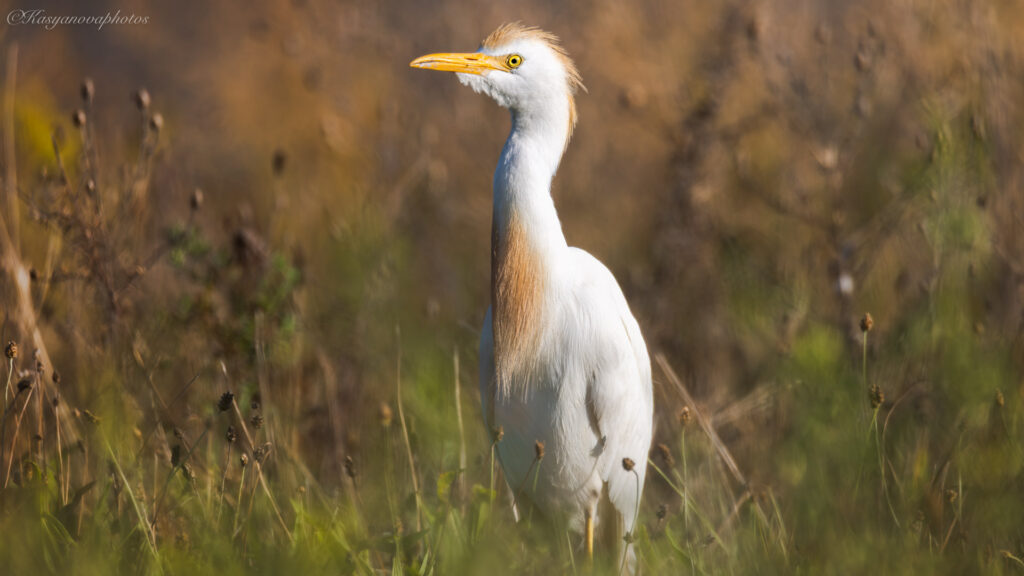
A Juvenile Cattle Egret.
Photography opened my eyes to birds I never thought I’d see locally. I wanted to test what I had discovered and see whether New Jersey really held species I assumed belonged far away. That’s how I ended up at the Edwin B. Forsyth Wildlife Refuge. On my first ever visit, I arrived just before sunrise with my Tamron 150-600mm, eager to see what the marsh would reveal.
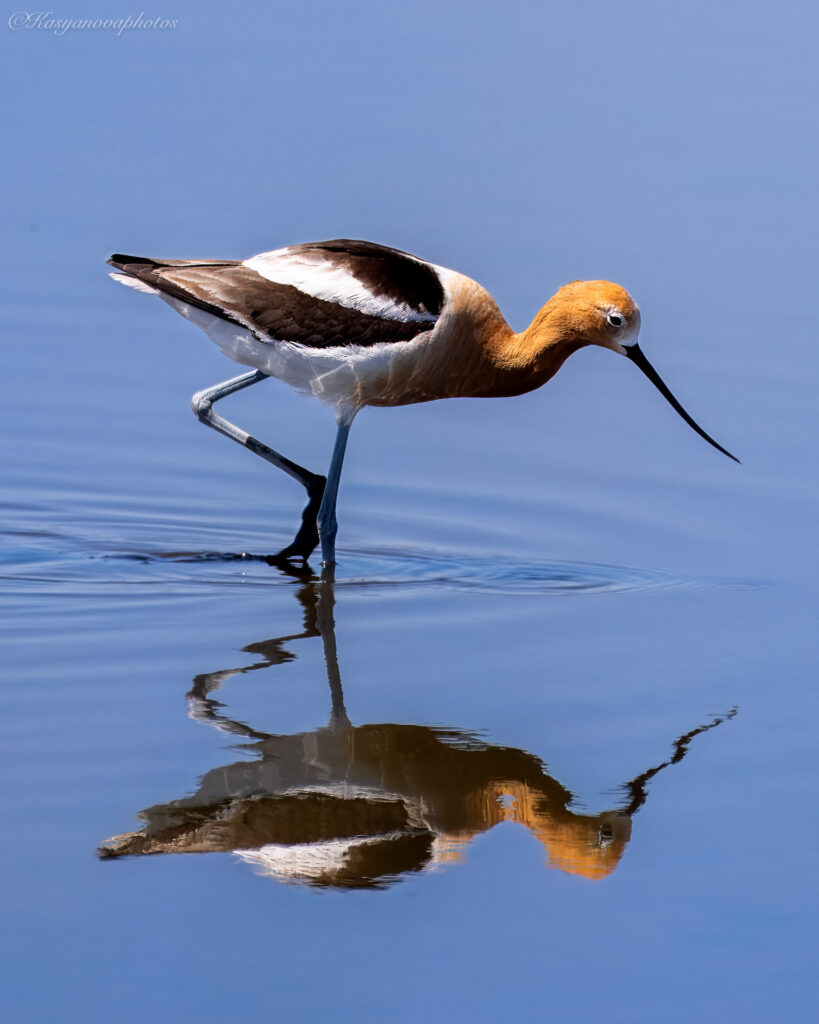
An American Avocet.
Before I began driving through the loop, I parked my car in the parking lot and walked out to a field next to the visitor center. The sky was barely lit, and the marsh stretched out for miles in front of me. It was beautiful, and a moment that’s stuck with me ever since.
As I started driving down the path, herons appeared almost immediately, standing at the edges of the grass, fishing strategically, spaced around the marsh. Because I was there to create images, I was forced to pause in one spot and notice patterns, details I would have otherwise missed.
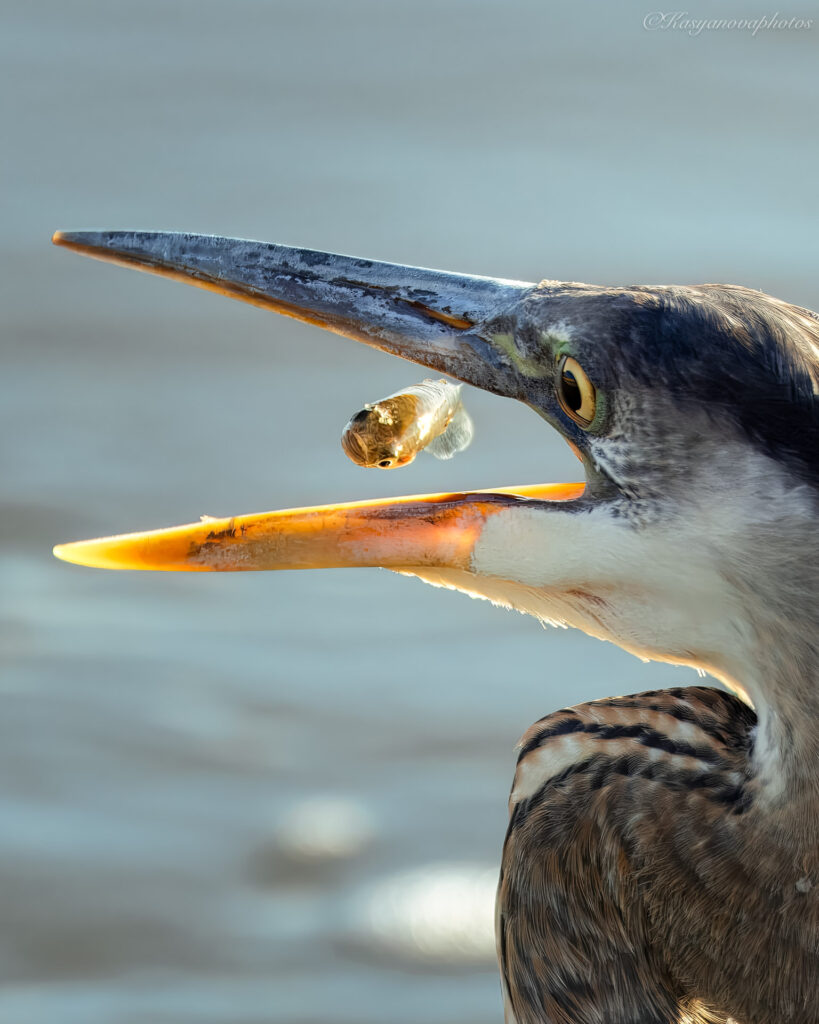
A Great Blue Heron.
Observing through the lens forces me to see the continuity, structure, and density rather than single moments. The herons, constant yet dynamic, prove that life here is not incidental – it’s thriving.
The refuge grounds me; it’s the first place that taught me how to see, not just look. Walking through Edwin B. without a camera, I might glance and move on. With my camera in hand, I stop, watch, and settle into a spot for hours, letting the marsh reveal its layers.
That stillness is necessary as birds arrive and leave, species migrate through, and patterns emerge across visits.
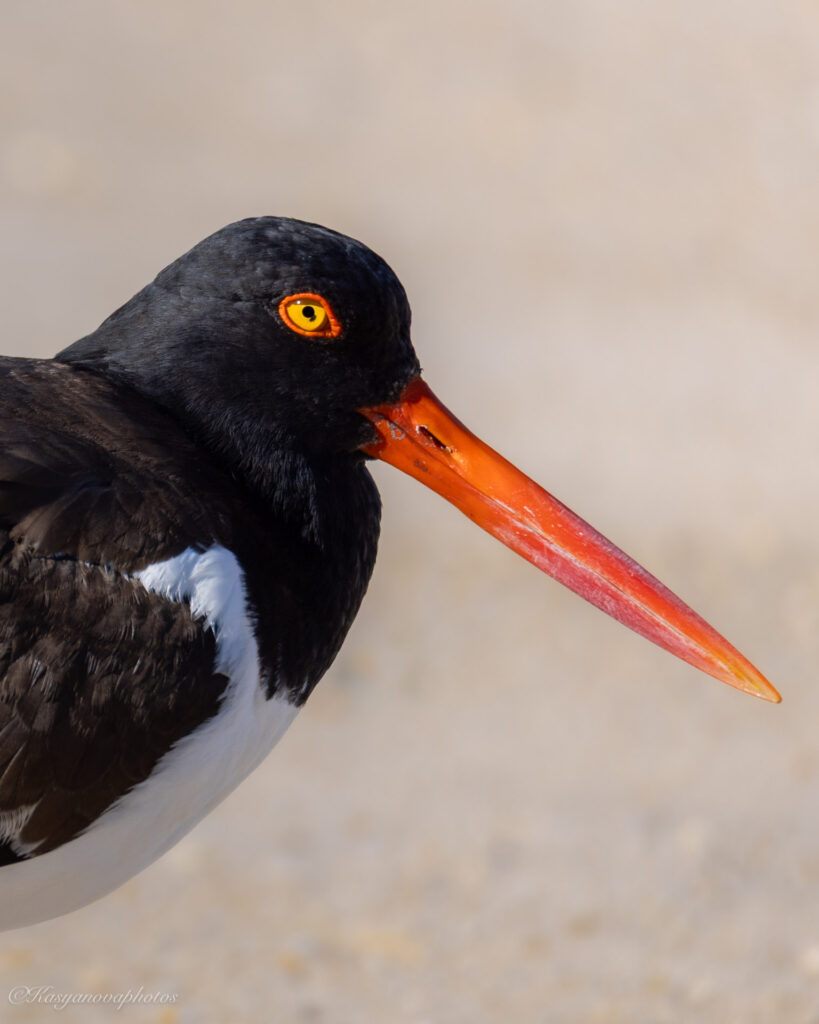
An American Oyster Catcher.
The excitement didn’t end when I left the refuge. It stayed with me for days, even weeks. It was impactful and not just centered around capturing a good photograph, but the realization that something so intricate and alive existed where I least expected it.
The refuge shifted my understanding of place, attention, and what happens when you truly slow down. It’s why I keep going back.
Pausing never feels final, as I know the marsh continues in every direction, and I can sense that movement happening just out of sight. Early mornings are quiet, shared with a few photographers who respect the space. My camera brings me closer to nature, and helps me witness how dynamic and live it really is.
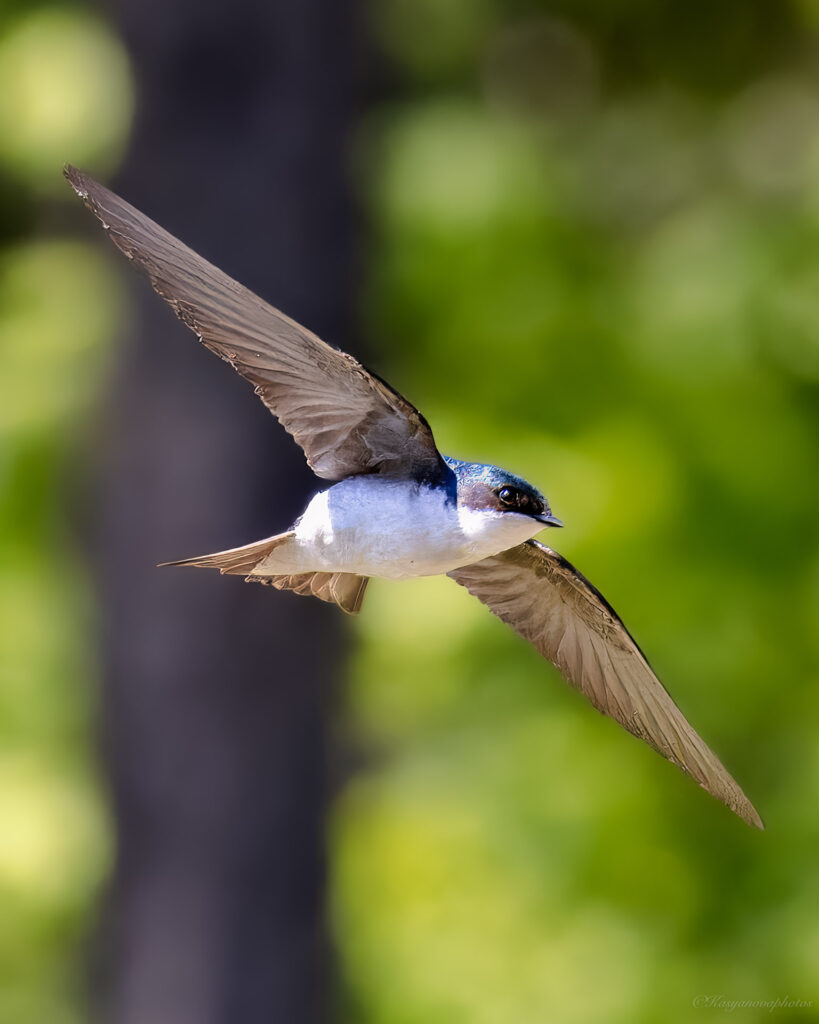
A Tree Swallow.
Through continuous observation with my camera, I realize why life is so active here. Protection of these areas allows these layers to thrive, providing animals with the space and resources they need.
Each layer of land, water, and sky has a rhythm and pattern that exists without our interference. Places like Edwin B. National Wildlife Refuge show me how deeply interconnected and intricate life really is, and how it thrives in ways we often overlook. Photography makes this visible in ways words cannot.
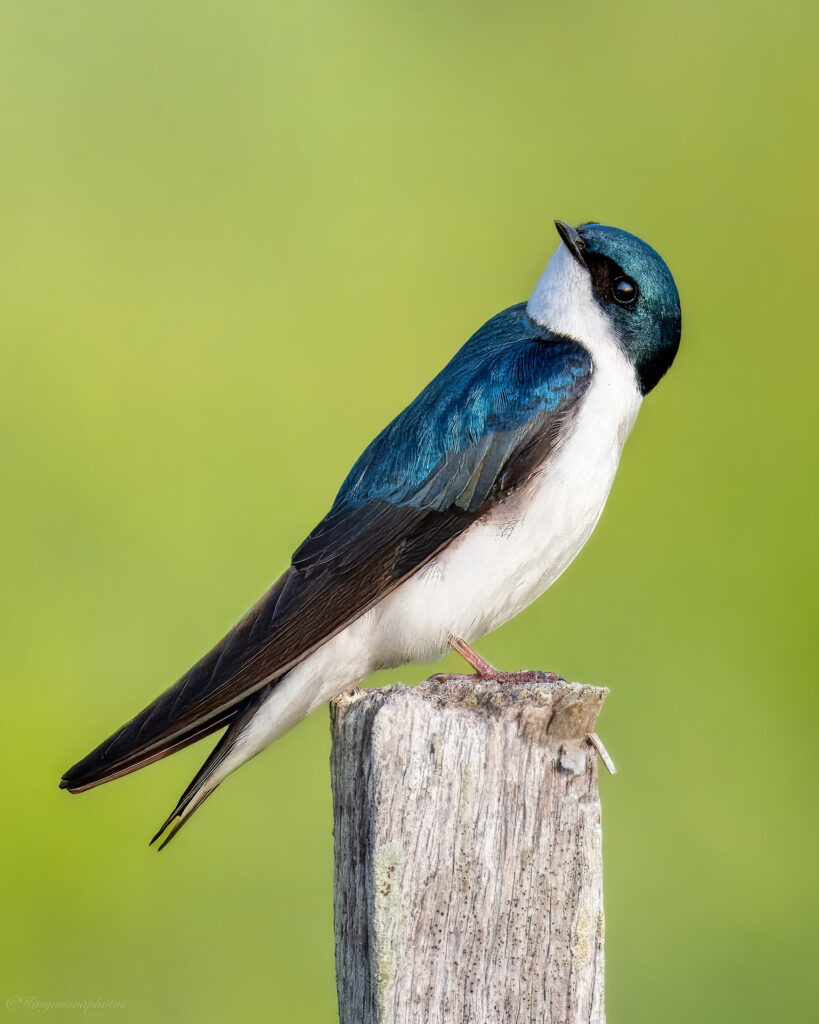
A Tree Swallow.
These glimpses reveal that ecosystems work best when left intact, and that coexistence with wildlife allows us to experience a calm, balanced, and deeper connection to the world.
Through repeated visits, observation, and photography, it becomes clear: every species matters, and giving them space to exist benefits them, us, and the world. Life flourishes quietly and beautifully, and we are lucky to witness it.
You can learn more about the Edwin B. Forsyth Wildlife Refuge by visiting the official website.
More reading: The Art of Staying: What Photography Taught Me About Discomfort