
All images by Anya Anti. Used with permission.
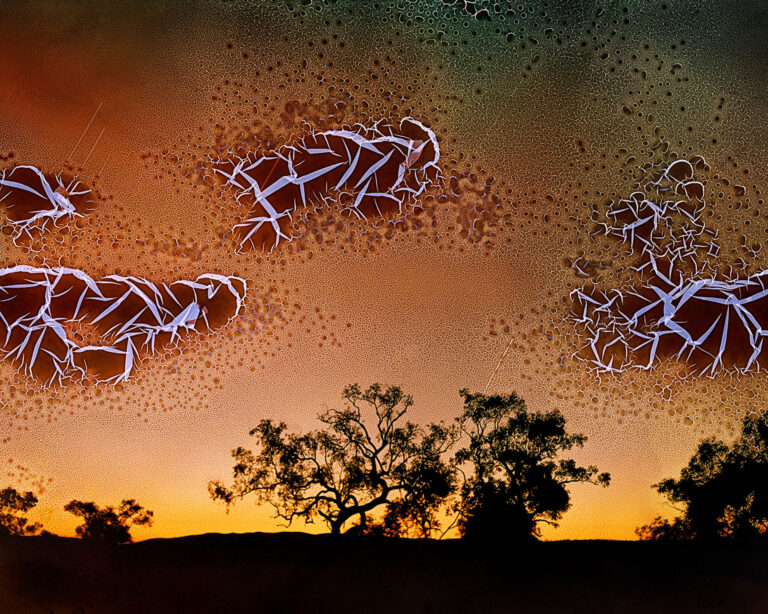
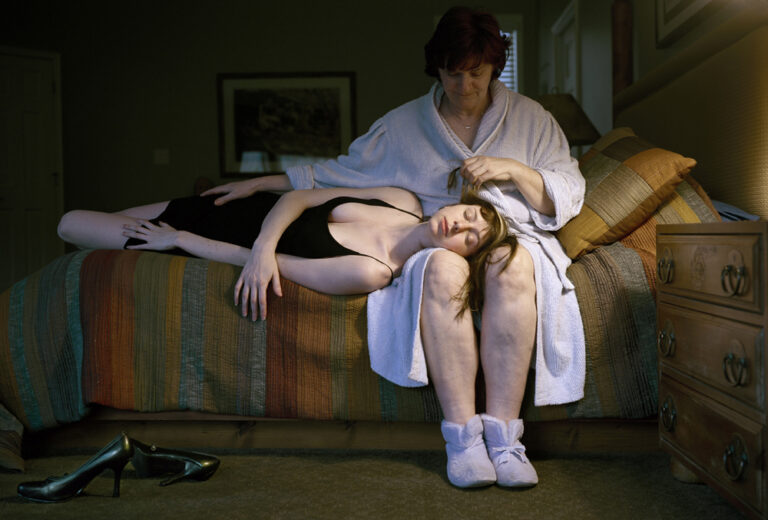
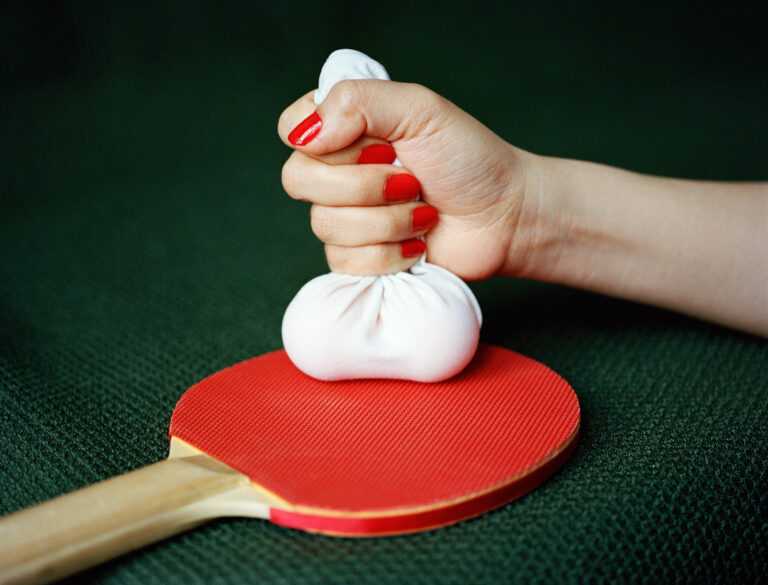
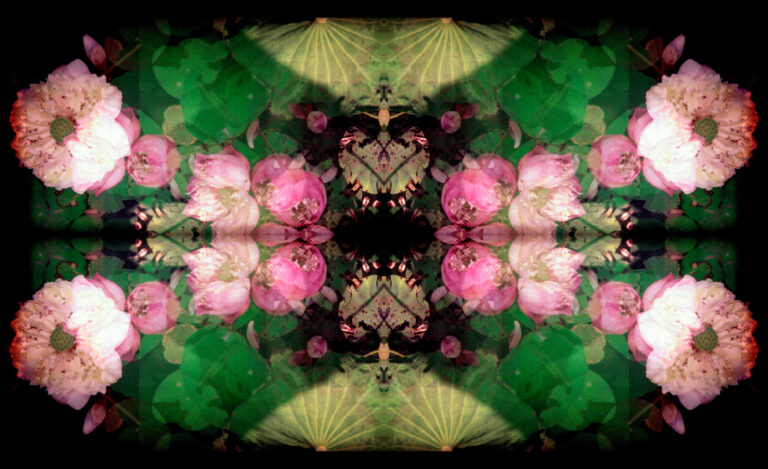
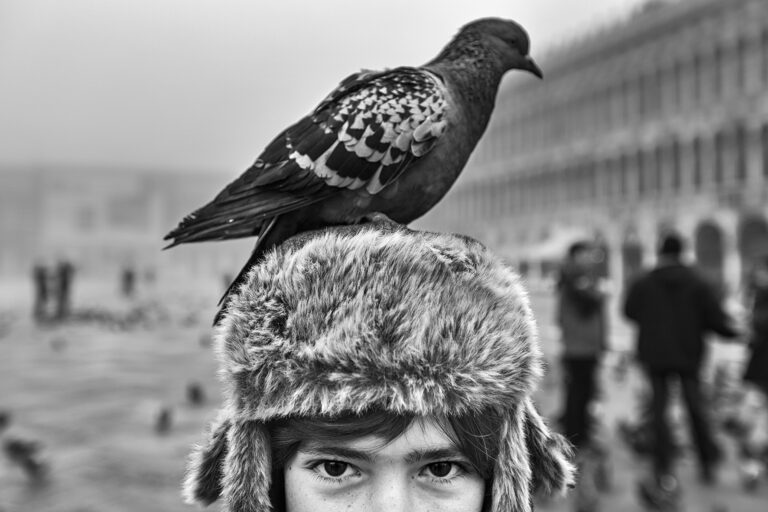
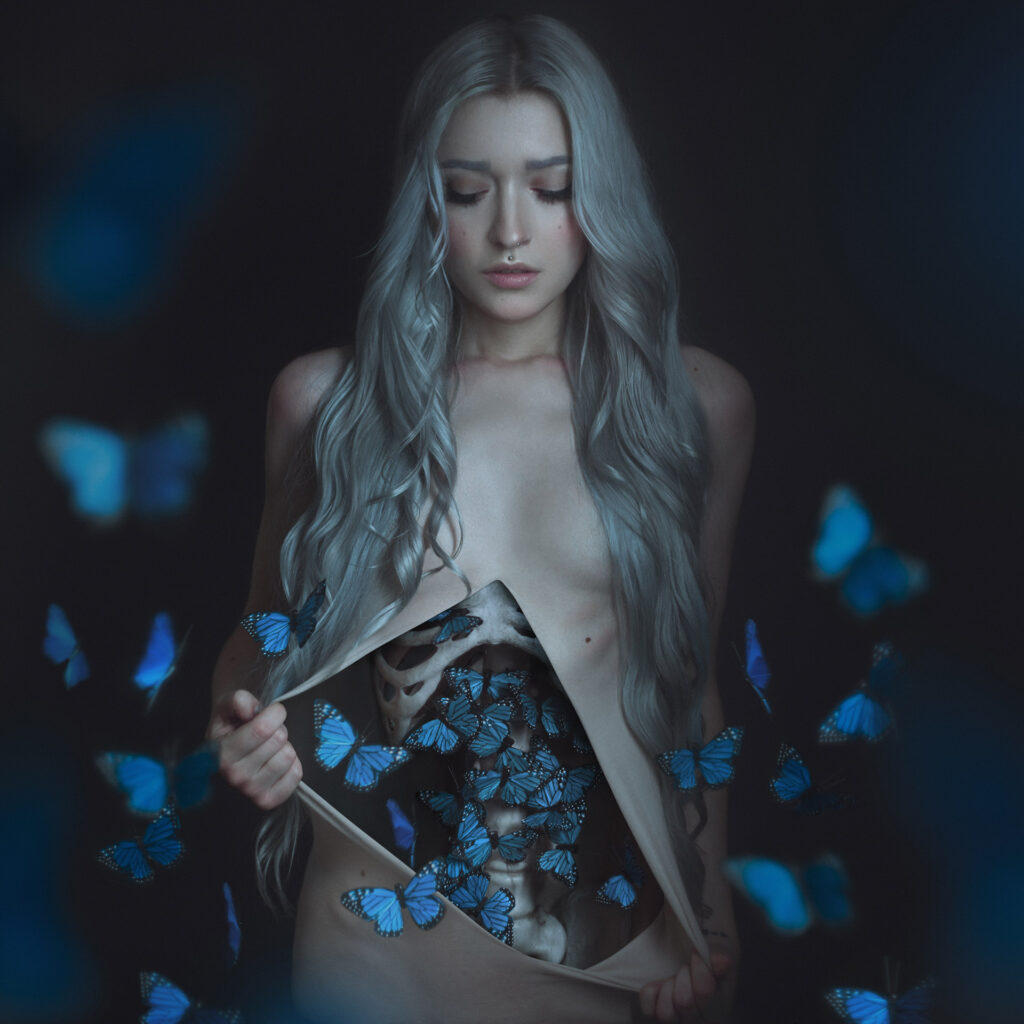
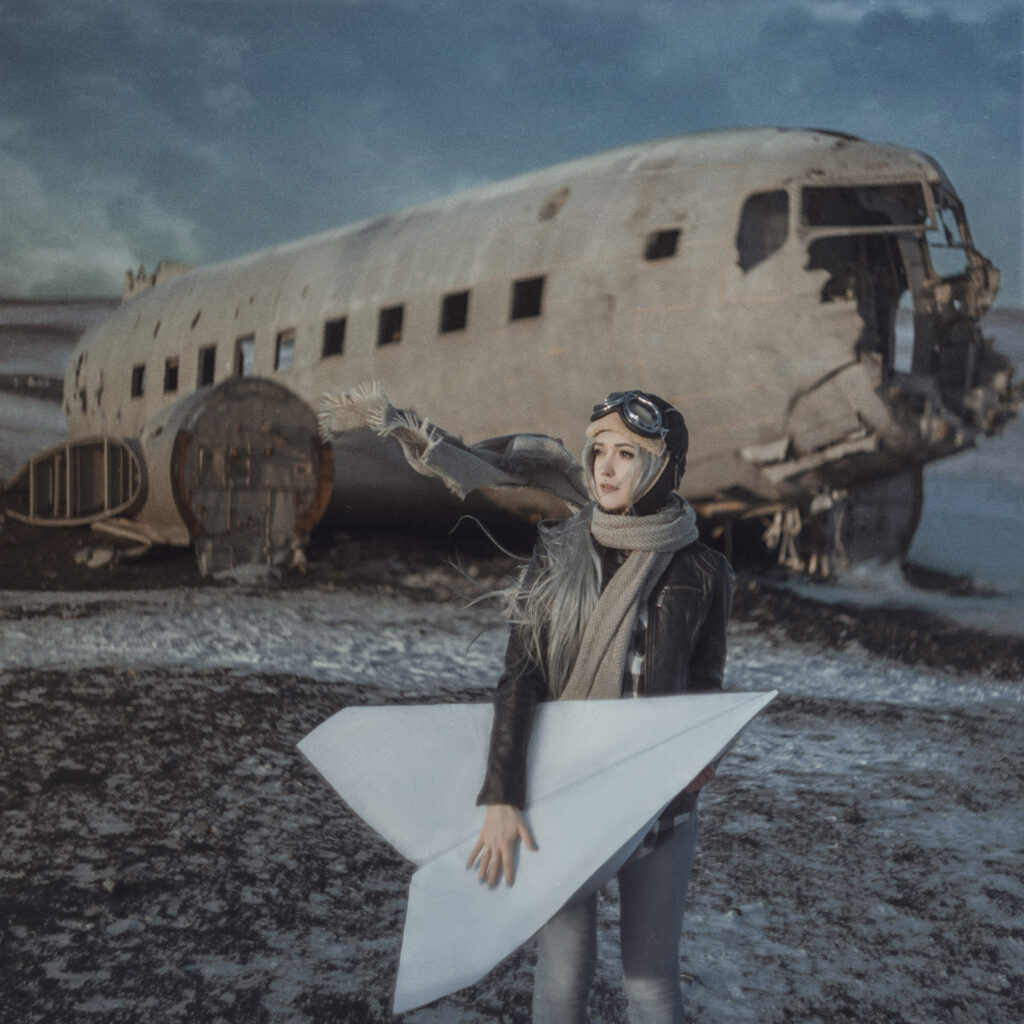
I’m a simple man. I see surreal, fantasy-land images and I instantly hit the like button. Anya Anti’s creations, however, are anything but simple. They’re complex narratives, full of imagination, drama and wonder – transporting you into a brand new world with each image you view.
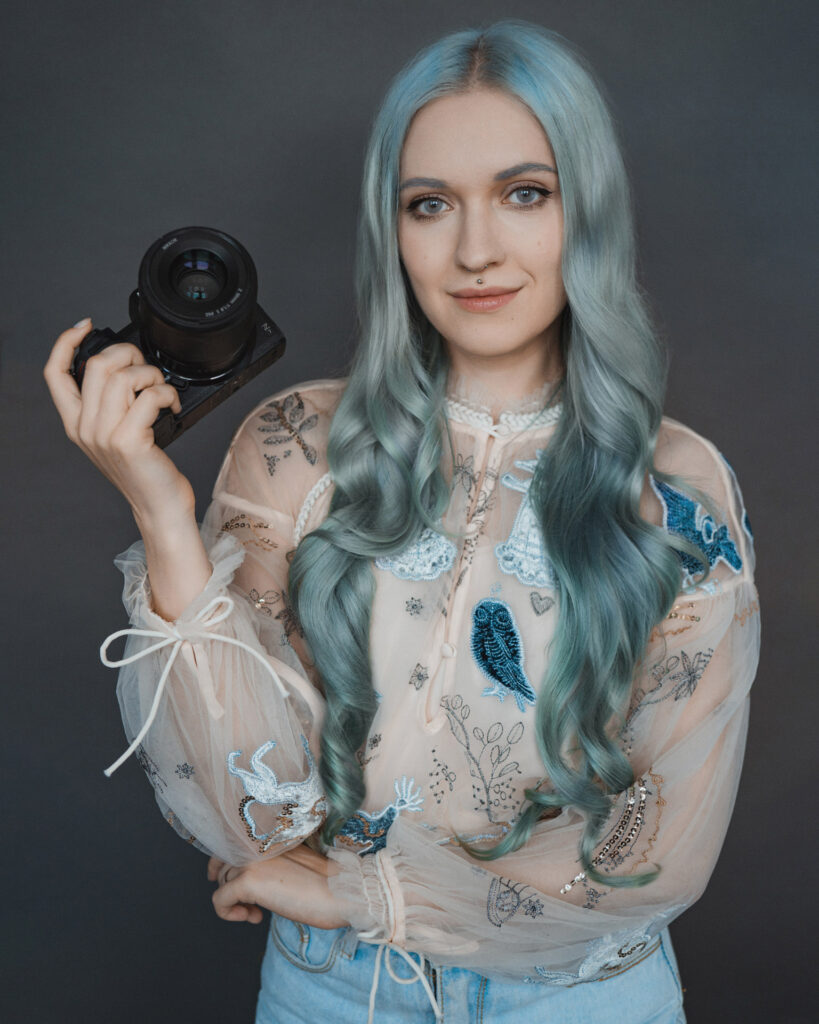
Anya Anti.
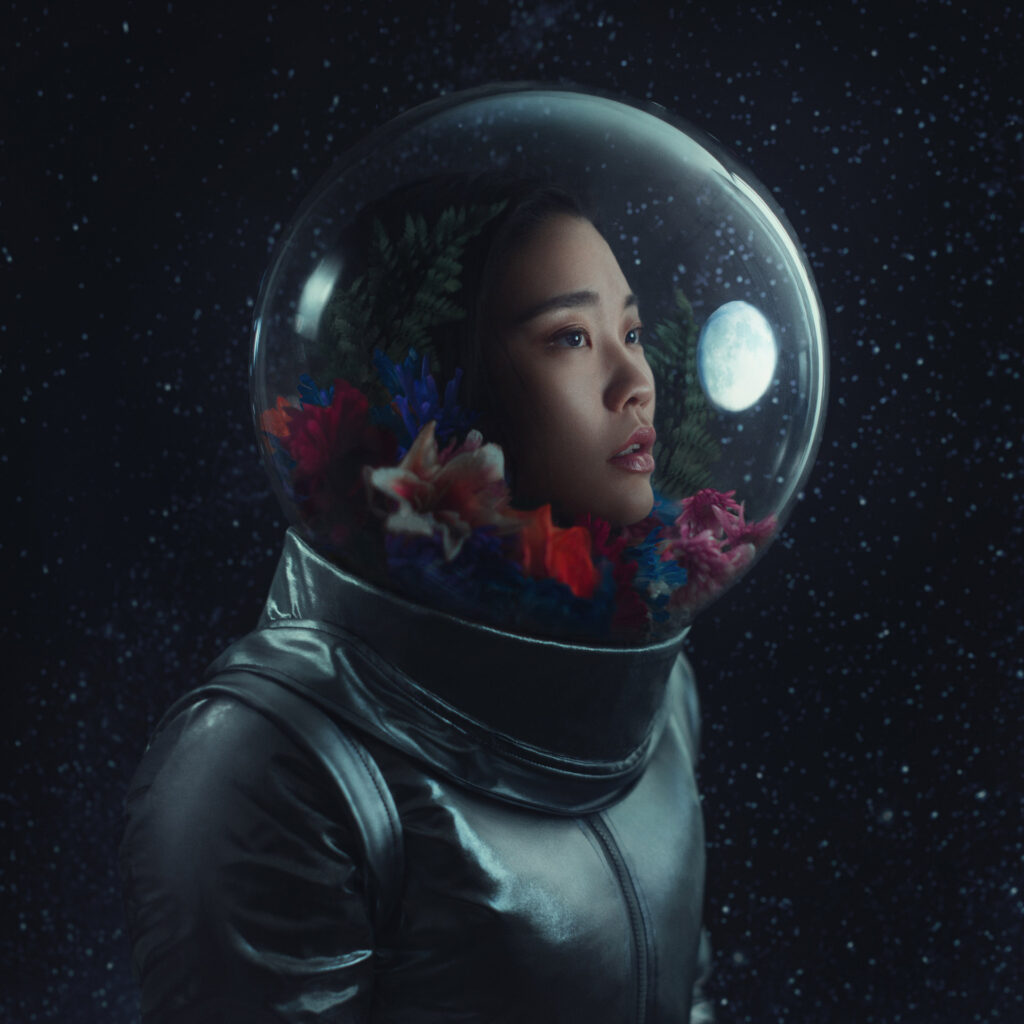
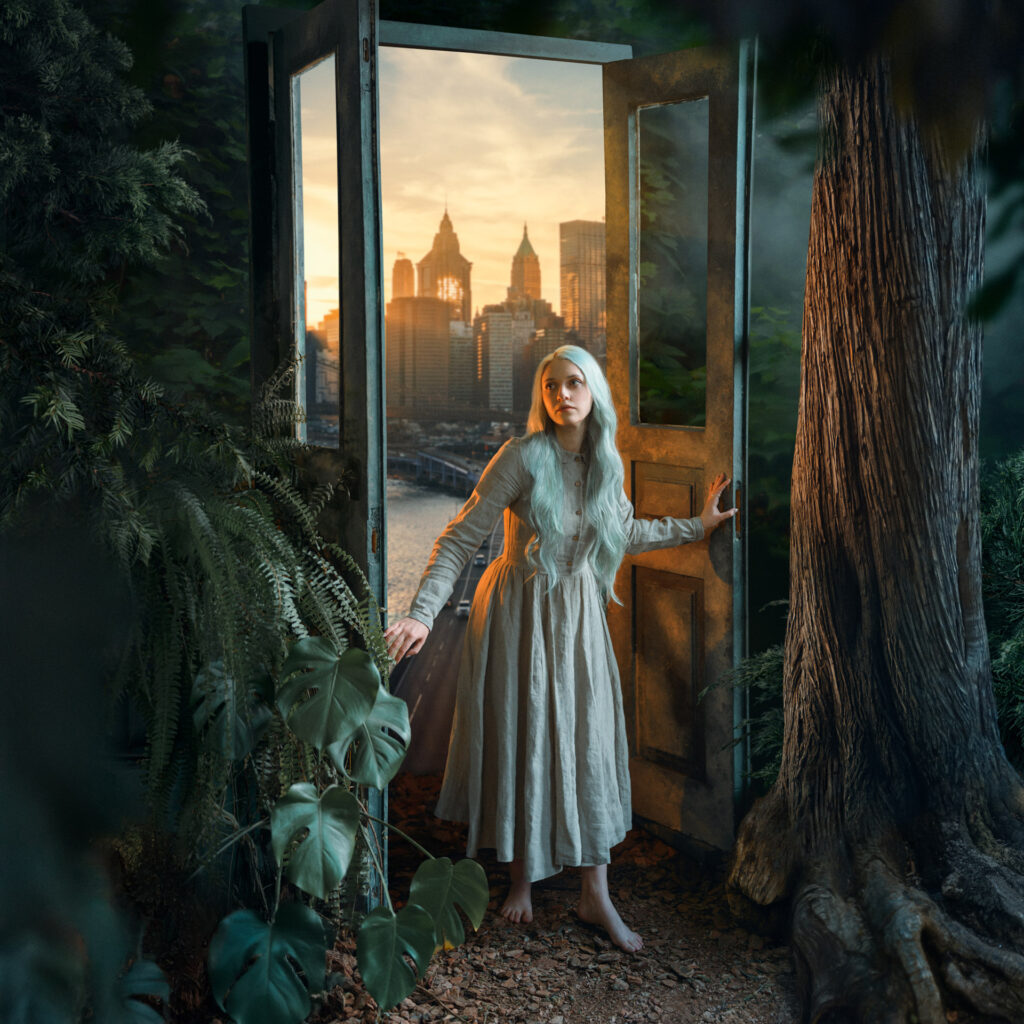
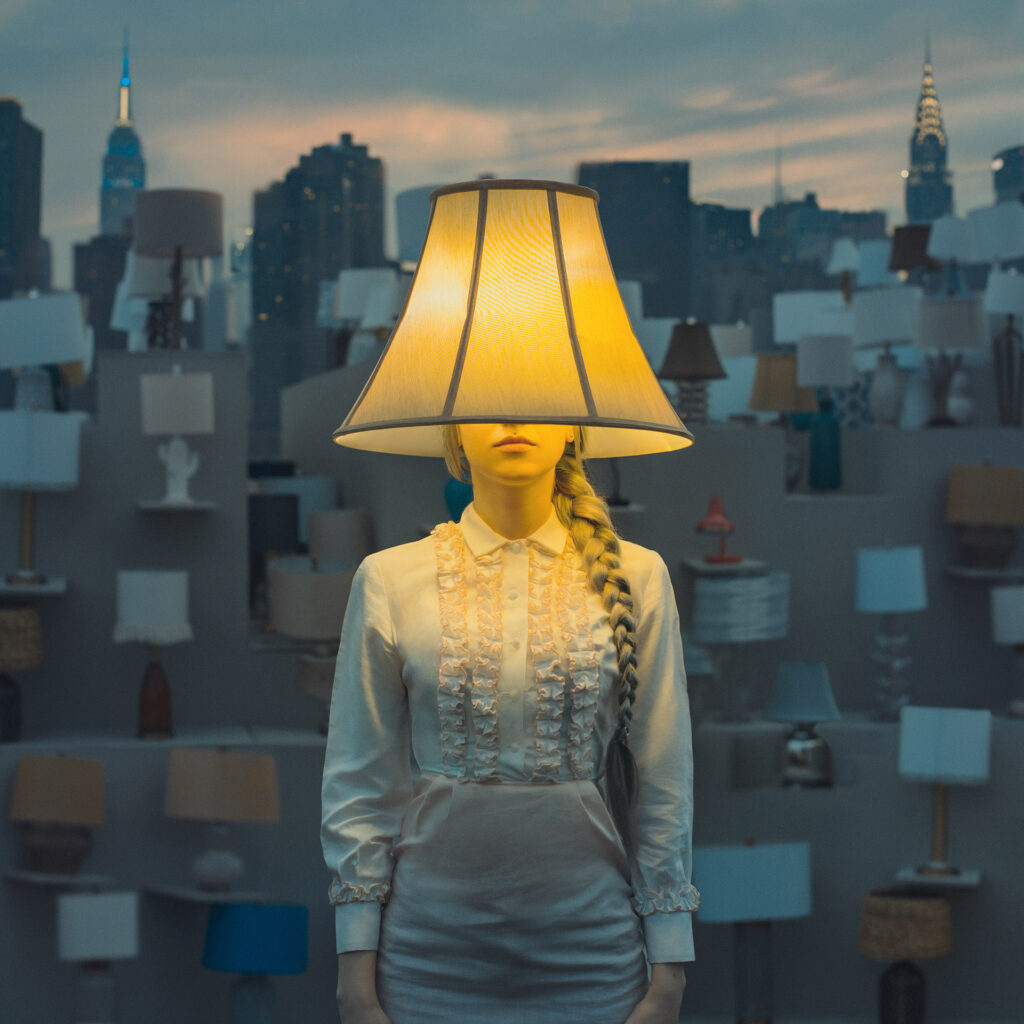
Born in Ukraine, Anti has built a dedicated following by creating images that sit somewhere between fine-art photography and digital painting. The compositing is meticulous, but it never feels cold. There’s a warmth and vulnerability to her subjects that keeps the work feeling true to life, even when the concepts are anything but.
What strikes me most is how well her work captures the interior life of women. The anxiety, the longing, the feeling of carrying something heavy that nobody else can see.
Whether that’s her intention or not, I recognize those themes not because I’ve lived them, but because I’ve been close enough to people who have. Her images have a way of making the invisible feel visible, and that’s a harder thing to pull off than it looks.
I reached out to Anti to find out more about the ideas behind the work, her process, and what drives her to keep making images that refuse to take the easy route.
Them Frames: When did you first realize you had a very creative mind and what did your early entry into the arts look like?
Anya Anti: I don’t remember the exact moment of “realization”, but creativity has always been my natural state. As a child, I was constantly drawing, painting, crafting, writing poems, and building imaginary worlds.
I was always more fascinated by whimsy and fantasy, and I always felt the need to express that inner world somehow. My early entry into the arts wasn’t formal, because I didn’t attend art school. In fact, I studied materials science, which seems very different from what I do now.
But creativity found its way through everything I did. I originally wanted to paint, yet I didn’t feel technically skilled enough to express my ideas the way I imagined them. When I discovered photography, it felt like I had finally found a medium that allowed me to create visually without having proper painting skills. It wasn’t a sudden decision, it was more like recognizing something that had always been there.
Them Frames: How has your engineering background shaped the way you approach creating surreal, dreamlike work today?
Anya Anti: Although I studied materials science, it didn’t directly influence my creative thinking or artistic process. My academic background was very separate from my inner creative world.
What it did give me, however, was my first professional opportunity. I got a job as a photographer on campus, and that was the turning point. Until then, photography felt like a silly hobby of mine. That experience made me realize it could become something more, not just a hobby, but a career path.
If anything shaped the way I approach my surreal work today, it wasn’t my studies. It was practice, experimentation, and years of self-teaching. I learned by doing, by making mistakes, by trying to build images that felt impossible at the time.
Them Frames: From idea to finished work, how long does it take to complete a scene and what is the process like?
Anya Anti: It depends on the complexity, but a single image can take anywhere from a few days to several weeks. Some larger projects have taken me years to fully realize.
The idea usually comes first. Sometimes as a clear visual, sometimes as a feeling or abstract concept. I develop it through sketches and mood boards, then plan the technical execution: location, wardrobe, props, lighting, and how much will be built physically versus digitally. I try to capture as much as possible on set and in-camera because real light and real object interactions give the final image depth and believability.
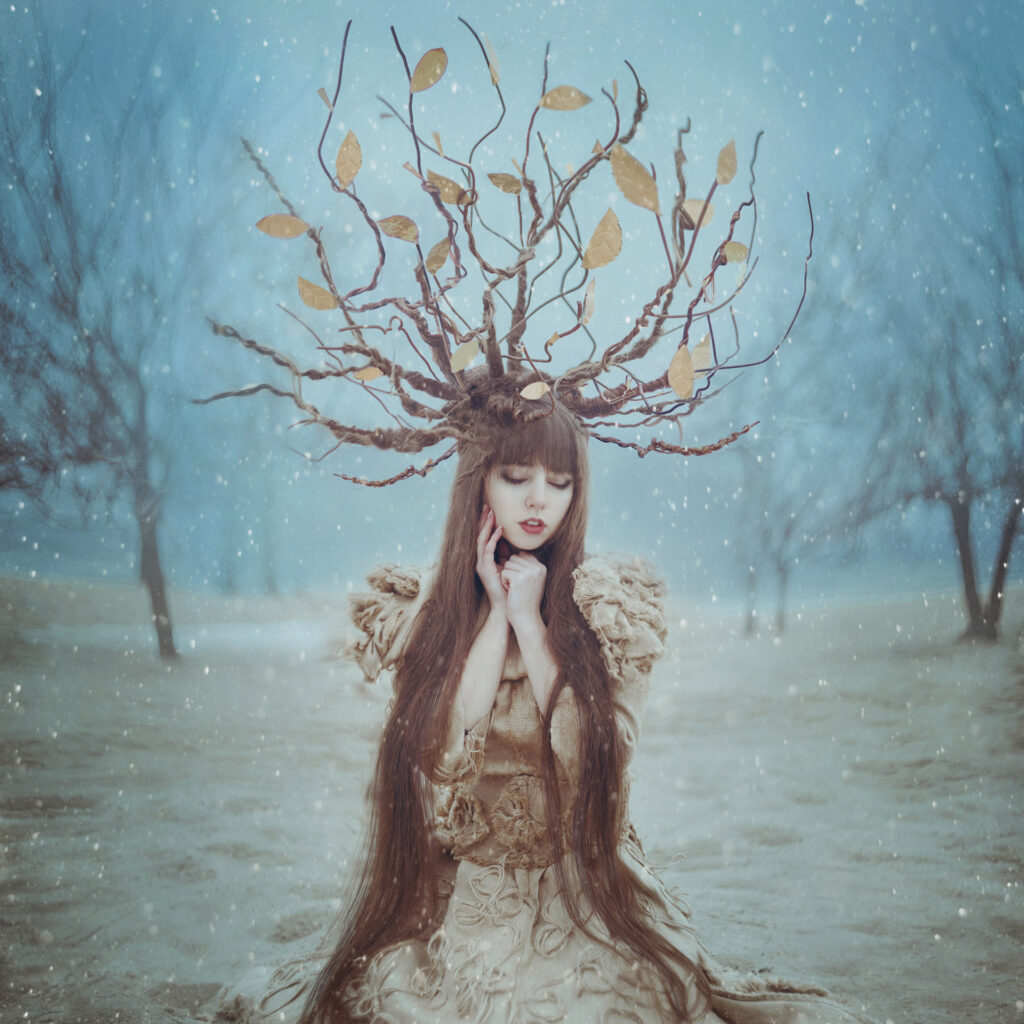
Post-production is also essential. It is where the pieces come together, but it’s not about “fixing” things. It’s about refining and expanding what was already intentionally created and expanding it, sometimes allowing me to build elements that would otherwise be physically impossible.
Them Frames: What tends to inspire your creative ideas?
Anya Anti: Inspiration rarely comes from photography alone. It comes from cinema, classical paintings, music, architecture, and even ordinary daily moments. I’m especially inspired by nature and travel. I’m drawn to unique natural landscapes, and before every trip I research locations carefully, often imagining how I can transform them into a set or a background for a future concept.
I constantly observe different forms of art and take influences from there. I build what I think of as an internal visual library, which helps me spark my creativity and give me new ideas.
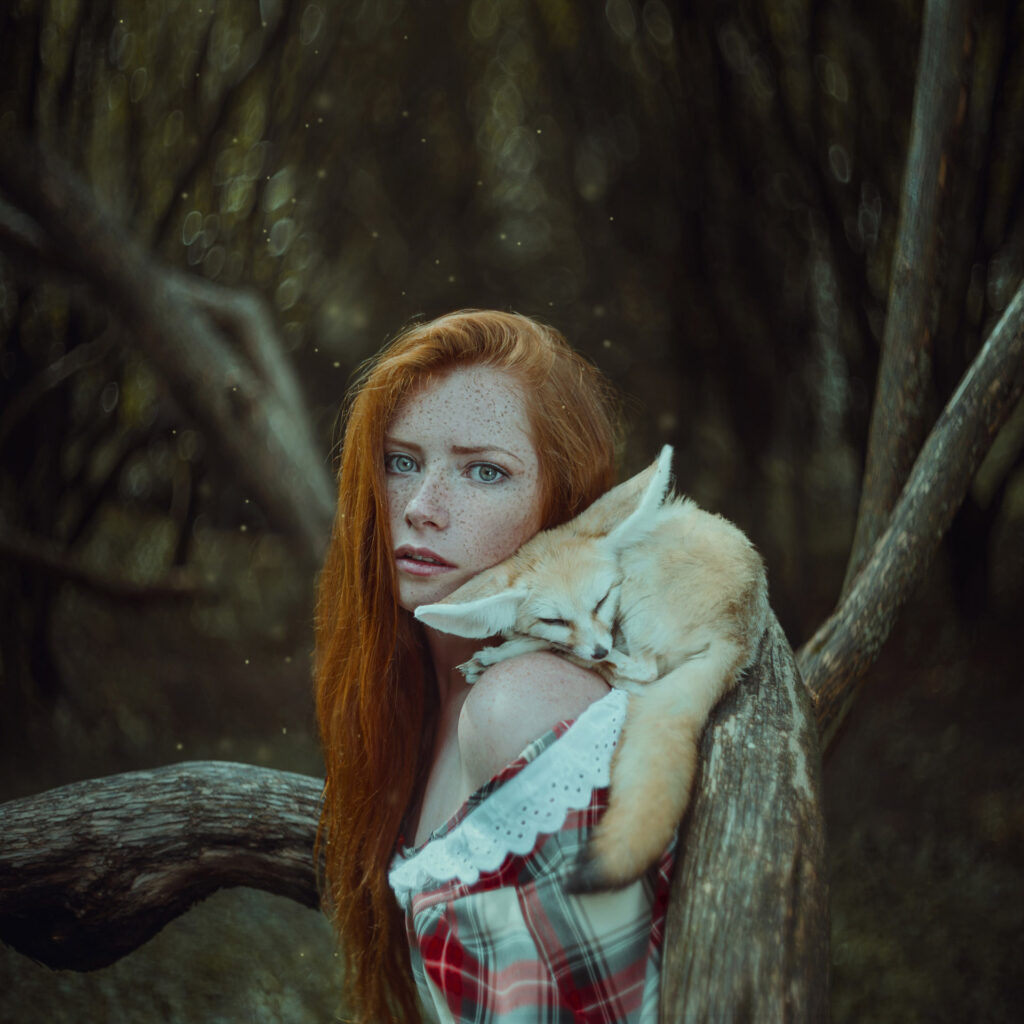
The more experiences I collect, visually and emotionally, the more material I have to draw from when developing ideas. I love playing with visual metaphors, symbolism, and associations. I try to look at things in new, unexpected ways. I often explore themes of voyage, natural elements, transformation, and the relationship between humans and their environment.
I believe creativity is less about waiting for inspiration and more about actively feeding that internal library. The more you expose yourself to art, places, and new experiences, the more connections your mind is able to make.
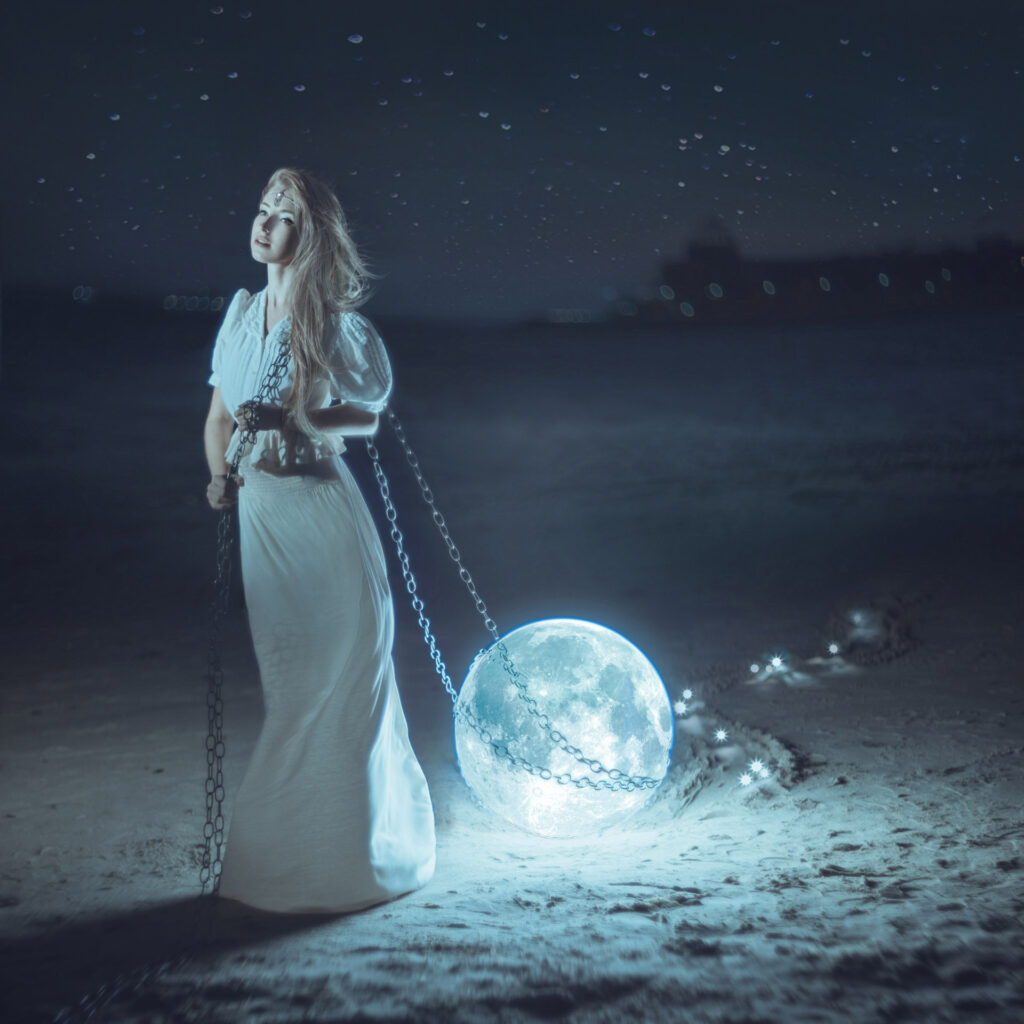
Them Frames: You’re often in your images. How do you feel in front of the camera and what impact does it have on self confidence?
Anya Anti: I’ve always enjoyed being photographed. I remember having my first simple “soap” style film camera in the early 2000s and loving both sides of the experience. But when I began creating conceptual artwork, I never imagined myself as the subject of my images.
Not because of a lack of confidence, but because I wanted to be behind the camera and have full control of every technical detail.
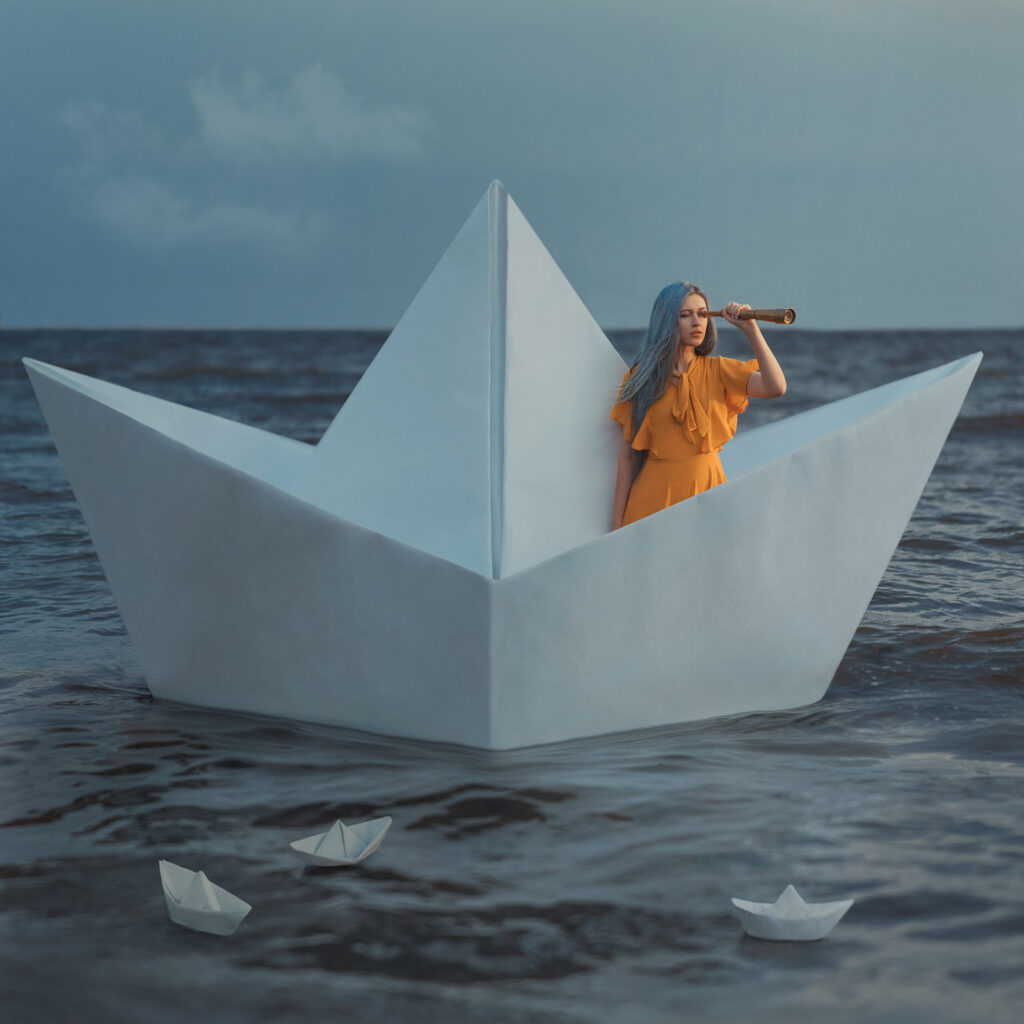
That changed after I moved to the United States. As an introvert in a new country, speaking a different language, I struggled to connect with people and find models. Instead of seeing it as a limitation, I decided to experiment with self-portraiture.
Unexpectedly, I loved it and it transformed my work. I realized I didn’t need absolute control behind the camera, especially since so much of my process involves digital manipulation and careful post-production anyway. It became less about technical perfection and more about the concept itself.
The images became more personal and introspective, and I realized that placing myself in the frame allowed for deeper emotional honesty. It was also practical, especially while traveling, when logistics can be complicated. In many ways, self-portraiture gave me both creative freedom and independence.
Them Frames You’ve done several speaking events and workshops. What’s it like speaking about your work and teaching others about the art of photography?
Anya Anti: I truly enjoy speaking and teaching. When people listen, it means the work resonates. Inspiring others is incredibly fulfilling to me. Teaching has pushed me out of my comfort zone in the best possible way. Creating is an internal, intuitive process, but teaching forces you to articulate instincts that usually happen subconsciously.
I love revealing the magic behind surreal imagery, while also showing that it isn’t just wizardry. It’s careful planning, some technical skills, patience, and persistence. When students realize they don’t need the most expensive equipment, but rather a strong artistic vision and a clear idea, something shifts.
Workshops inspire me as well. Seeing how differently people interpret the same concept reminds me that there are endless ways to see the world. It motivates me to keep creating, evolving, and refining my own craft.
Them Frames: Finally, please finish this sentence: I need photography in my life because…
Anya Anti: it allows me to translate thoughts and ideas that have no language. It’s how I process the world. It’s how I question reality. It’s how I build the worlds I wish existed and invite others to step inside them.
You can see more work by Anya Anti via her website, Instagram and YouTube.
More reading: Ellen Stagg’s Fine Art Photography Opens the Door to her Poetic World