
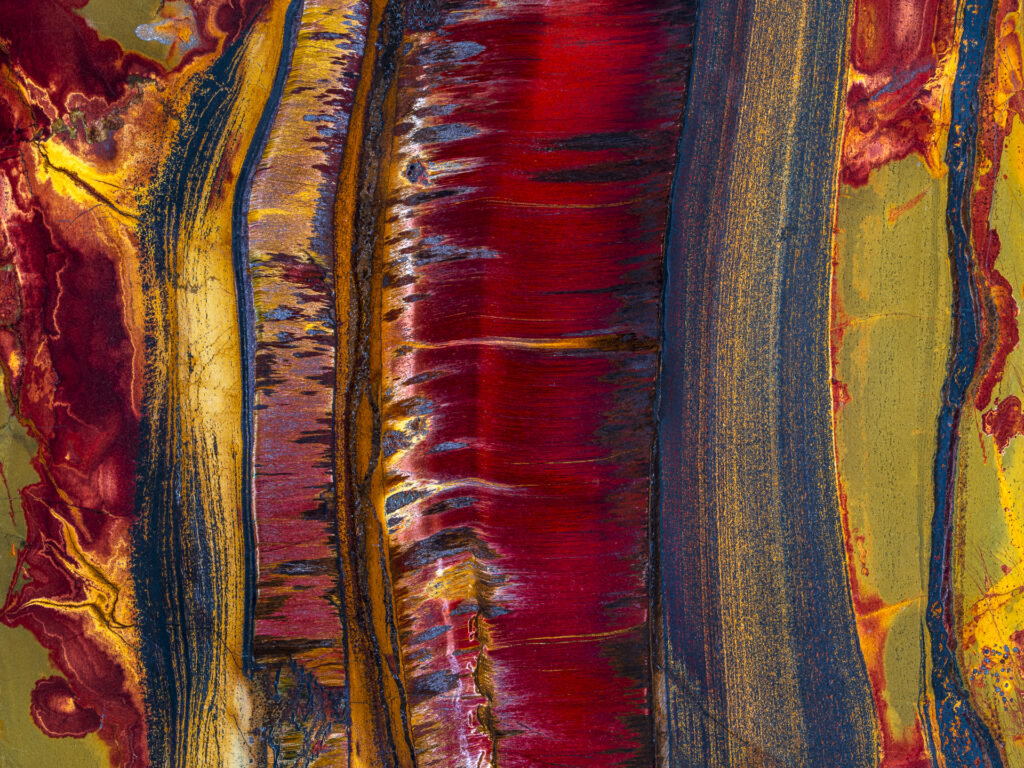
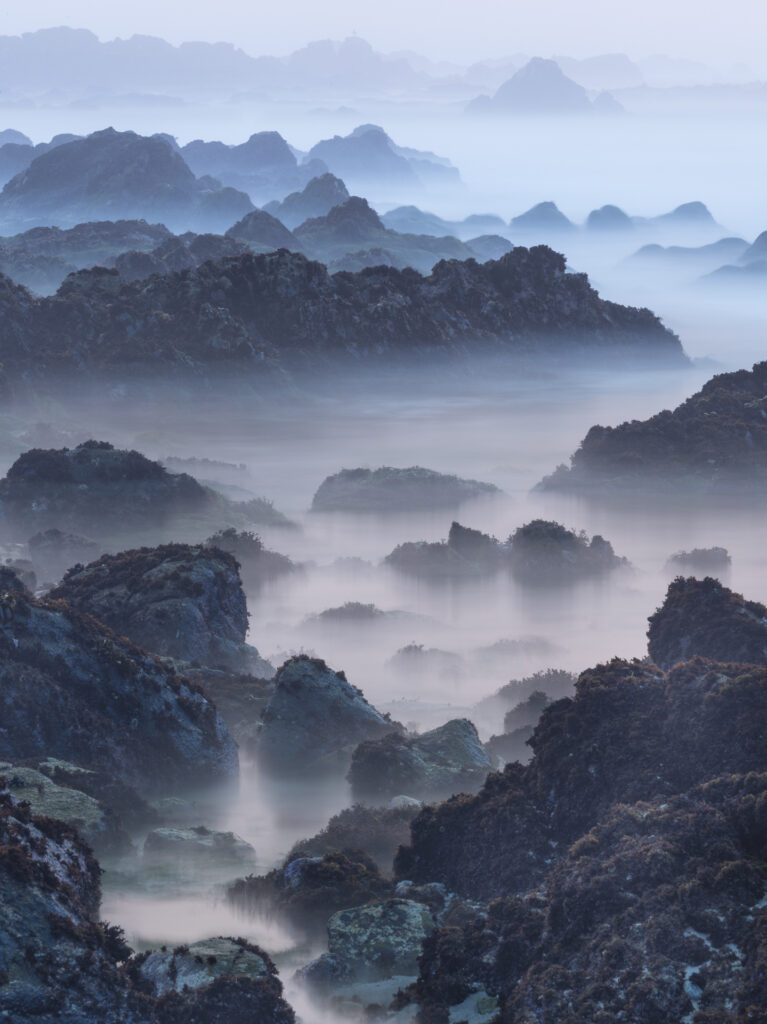
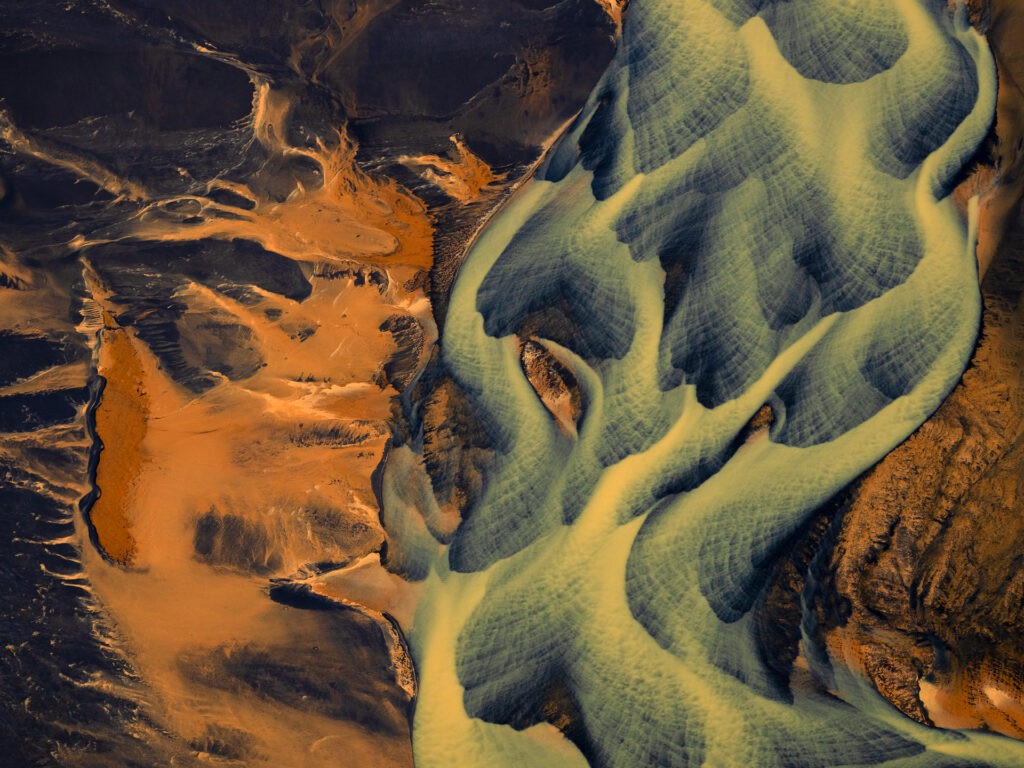
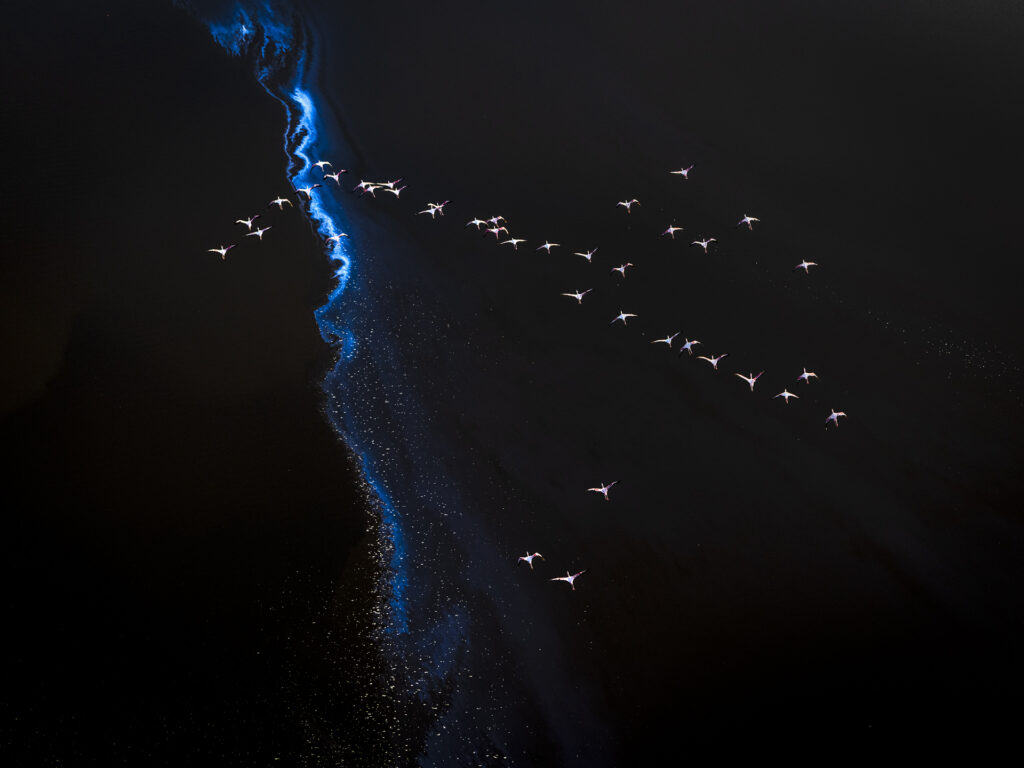
All images by Jon McCormack. Used with permission.
“As a child, I developed a deep sense that the natural world was both fragile and profound, and that we were part of it, not apart from it”, says photographer Jon McCormack. Discussing the upcoming release of his photobook – Patterns – we delved into the early stages of his relationship with nature and how he’s using his decades of experience to help others connect to Earth.
It’s no easy task getting people to care about topics like climate change, conservation and the protection of nature. With 24 hour news cycles bombarding society with the ills of the world, people prefer to switch off when faced with a problem that requires broader societal changes to resolve.
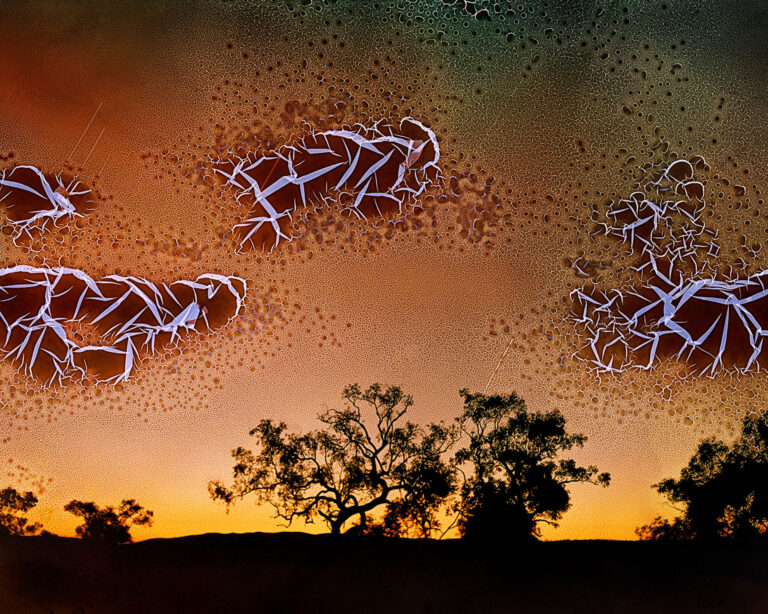
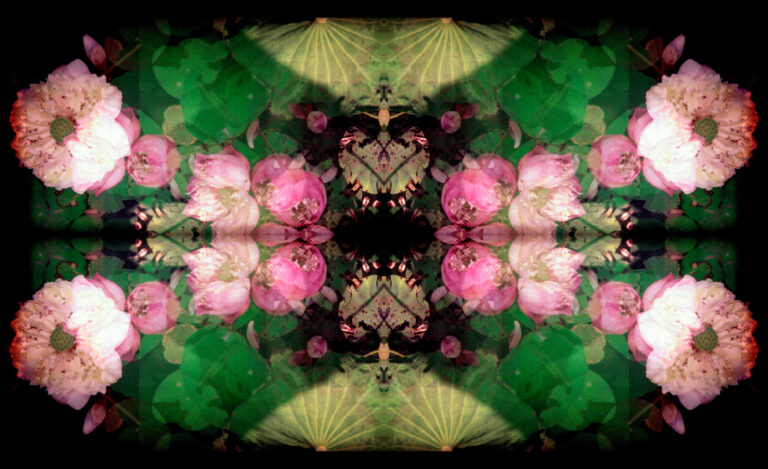
Rather than shame or push statistics, McCormack – part photographer, part software engineer at Apple Inc. – takes a different approach. Through engaging patterns, powerful colors and close-up perspectives of the intricacies of nature, he’s helping people stop in their tracks and fully appreciate how majestic nature truly is.
There’s also a spiritual element to his work. In our hyper-connected society, Patterns encourages the viewer to center themselves, slow down and become more connected to the physical, putting the digital space to one side.
The release comes after decades of hard work, during which time McCormack developed a deep understanding of the technical elements of photography, and how to showcase nature in an engaging and captivating way.
All profits made from the sale of the book will go to Vital Impacts, a non-profit organization doing incredible work centered around conservation and community-led initiatives.
Ahead of the launch I caught up with McCormack to learn more about how the book came together and what his overarching goal is through its release.
Them Frames: Hey Jon! Growing up in the Outback, you’re no stranger to nature. At what point did you realize topics relating to nature and conservation were important to you, and why did you decide photography was your best tool to communicate your passion for nature to others?
Jon McCormack: The harsh climate meant nature wasn’t something separate from daily life – it was the context for everything. The scale of the land, the harshness and beauty of it, the rhythms of drought and rain, the resilience of animals and plants, all of that shaped me long before I had language for conservation.
Over time, especially as I traveled more and saw how much of the world’s ecological richness was under pressure, that early feeling became a more conscious commitment. I began to understand that conservation is not only about science or policy, it is also about emotion, attention, and connection. People protect what they value, and they value what they are able to truly see.
Photography became my tool because it has the power to stop someone in their tracks. A photograph can create a moment of stillness and wonder. It can reveal pattern, beauty, intimacy, and relationship in ways that bypass argument and go straight to feeling. For me, photography is a way of saying: look closely, this matters. It gives me a language to communicate both awe and urgency.
Them Frames: Creatively and culturally, why is now the right time for you to release this photo book?
Jon McCormack: Culturally, I think many people are searching for reconnection to the natural world, to a sense of wonder, and to something larger than the noise and acceleration of modern life.
We are surrounded by distraction, but also by growing awareness that our relationship with the Earth is at a critical point. In that context, a book that asks people to slow down and really see feels timely.
Creatively, this book arrives after many years of looking, refining, and trying to understand what unifies my work. The images are not simply a collection of beautiful moments in nature; together they express a deeper idea about pattern, interdependence, and the wonder of the living world. I wanted the work to progress to the point where it could hold that larger conversation.
So the timing is both external and internal. The world is ready for more meaningful conversations about our connection to nature, and I feel I’ve finally shaped the body of work into something cohesive enough to contribute to that conversation with honesty and depth.
Them Frames: Are you able to share some of the process of putting this book together? What were some of the challenges of creating the final draft and how did you get to a point where you were satisfied it was ready for publication?
Jon McCormack: Putting this book together was a long process, and in many ways the final edit was only possible because of years of preparation, experimentation, and travel. A great deal of the work depended on getting to very specific places at exactly the right time.
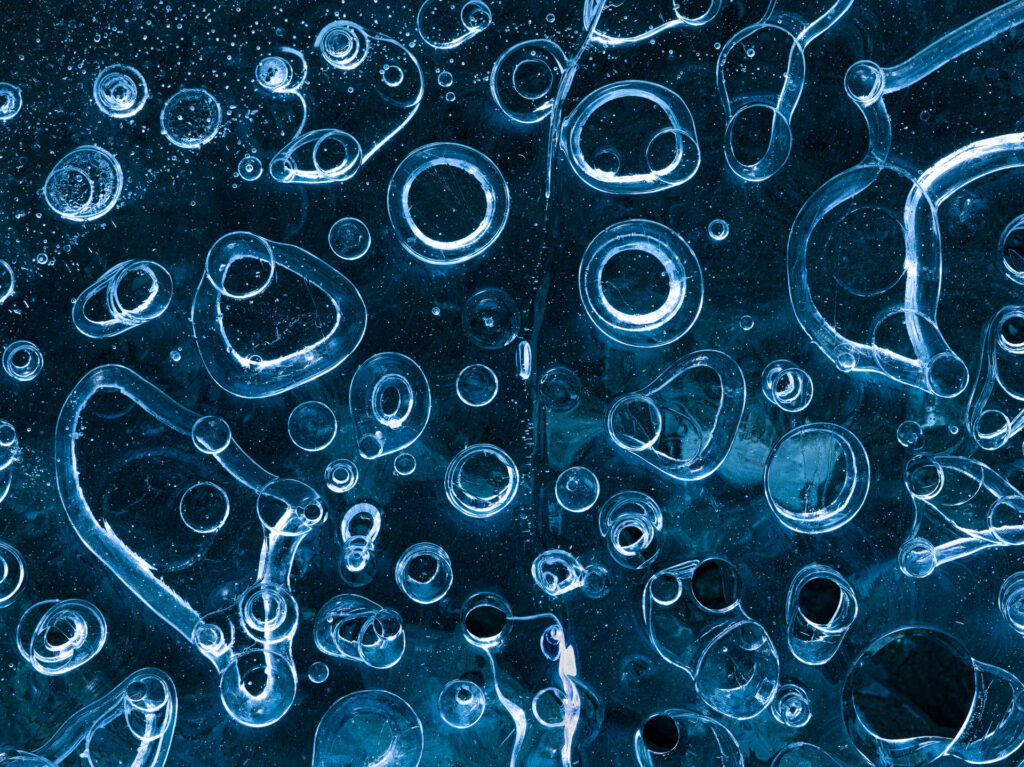
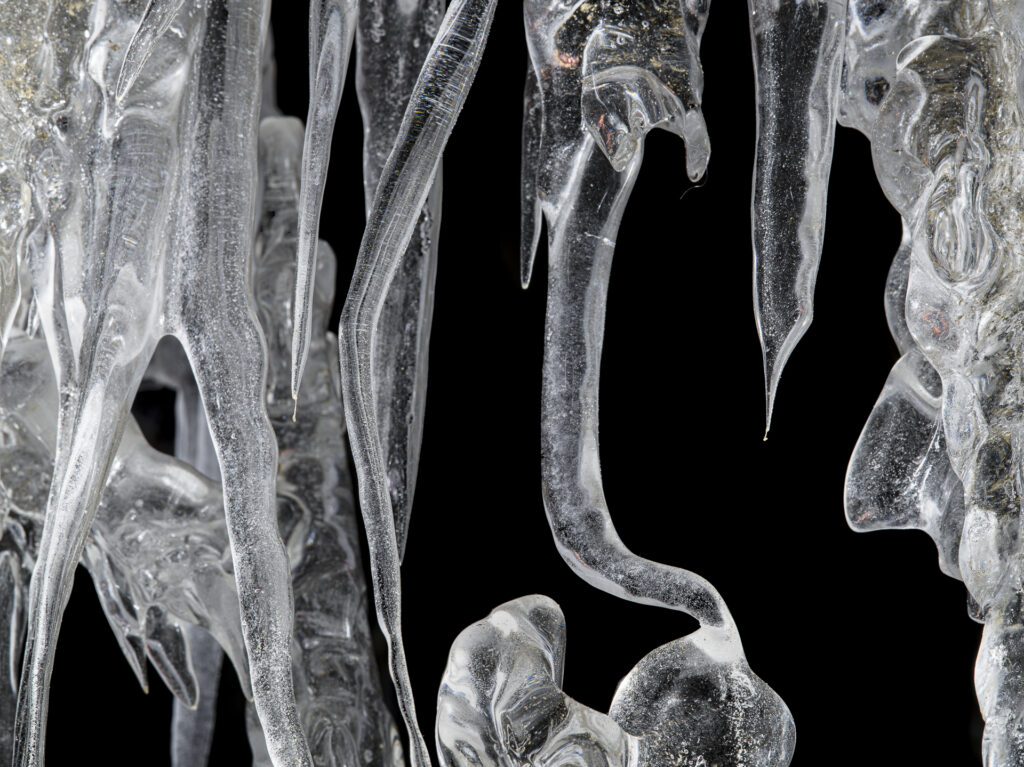
Photographing ice caves, for example, required detailed planning around season, weather, light, access, and safety, because those environments are constantly changing and often only briefly reveal their most extraordinary forms.
The same was true of places like Lake Magadi, where the surface patterns, mineral formations, color, and water levels shift with climate and season. Images like those are not made casually, they come from research, timing, patience, and often returning more than once in the hope that conditions align.
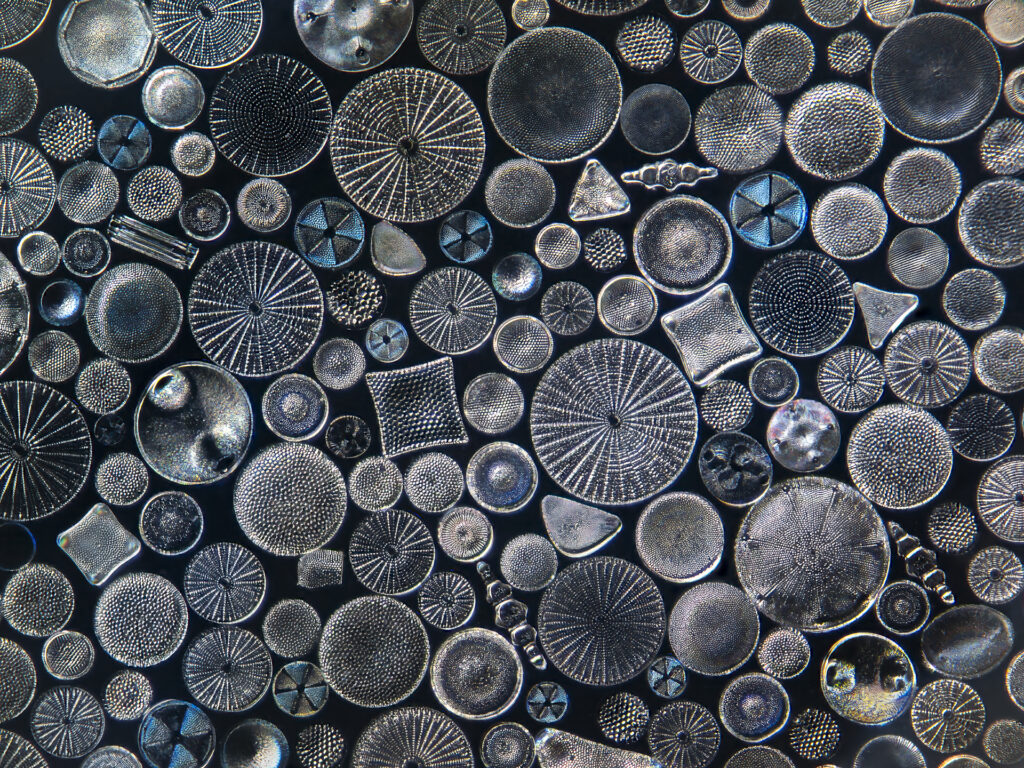
Another major part of the process was the microscopic work, which came with a very steep learning curve. That required entering an entirely different visual world and learning specialized equipment, lighting, focus stacking, and how to work at scales where even tiny technical variables completely change the result.
What interested me was that these microscopic forms carried the same sense of rhythm, structure, and wonder that I was seeing in landscapes from the air or on the ground, but translating that into finished photographs took a great deal of trial and error. It was both technically demanding and creatively humbling.
One of the biggest challenges in making the book was that I wasn’t trying to assemble a simple survey of favorite images. I wanted to create a body of work that felt coherent; a book with its own internal logic, rhythm, and emotional arc.
That took time because first I had to make enough photographs, across very different subjects and scales, to discover the deeper thread connecting them. Only after building a large body of work was I able to begin the real act of curation: selecting, sequencing, and refining what belonged, and just as importantly, what did not.
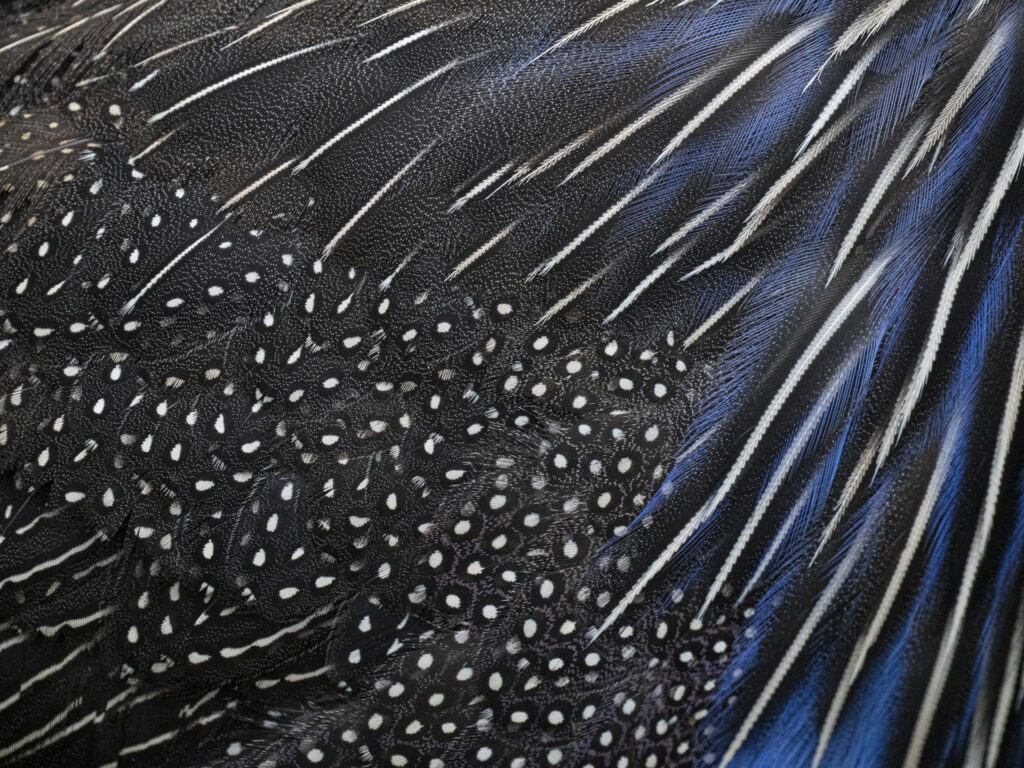
Reaching the final draft meant living with the work for a long time. I had to keep asking whether the images were in conversation with one another, whether the sequence revealed something larger than any single photograph, and whether the book carried the sense of wonder, pattern, and interconnectedness that motivated the project in the first place.
I arrived at a point of satisfaction not because every doubt disappeared, but because the work finally felt cohesive. It was as though the images were no longer simply individual discoveries, but part of a larger story that was ready to be shared.
Them Frames: Profits from the book will go to Vital Impacts. Could you share your motivations for doing something charitable with the earnings, and why this particular organization is aligned with your values and mission?
Jon McCormack: For me, it was important that the book not only spoke about the natural world, but also tangibly supported the protection of it. If the work is rooted in reverence for life and concern for the future of the planet, then it felt natural that any success it has should create some real-world benefit beyond the page.
Vital Impacts is especially aligned with my values because it brings together art, storytelling, and conservation in a very direct and meaningful way. It understands that photography is not just decorative, but that it can also be a force for awareness, advocacy, and action. I admire the way the organization connects visual culture with concrete environmental impact, and that intersection is very much where I see my own work.
I’ve long believed that creativity carries a responsibility. We all have different ways of contributing, and for me this book is an opportunity to turn a personal body of work into something that also supports a broader mission. That feels both meaningful and necessary.
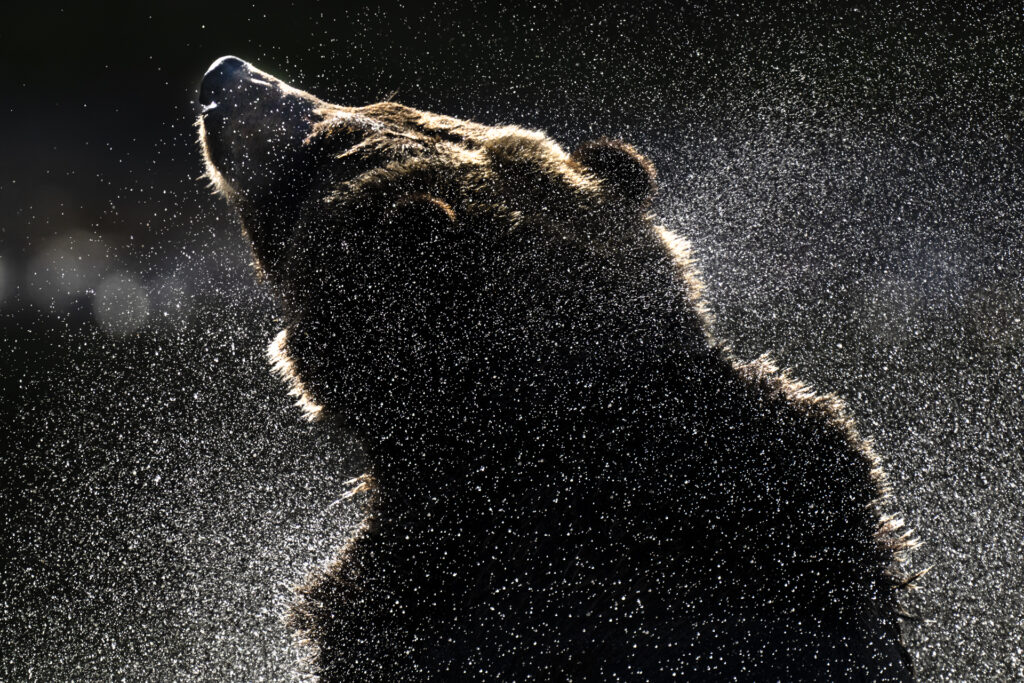
Them Frames: How do you feel photography can help people not only become engaged with the environment, but to think more deeply around topics such as conservation?
Jon McCormack: Photography can open the door through emotion, and that’s incredibly important. Facts and data matter, of course, but often people become engaged through feeling first, through wonder, empathy, curiosity, or even grief. A photograph can create that opening.
What photography does especially well is encourage attention. It asks people to slow down and notice form, texture, relationship, light, and presence. In doing so, it can shift the way we see the natural world, not as a backdrop or resource, but as something intricate, alive, and worthy of care. Once that shift happens, conservation stops being an abstract issue and becomes personal.
I also think photography can help people think more deeply by revealing patterns and connections they might otherwise miss. It can show that beauty and vulnerability often coexist. It can suggest that what appears wild or distant is intimately connected to our own lives. At its best, photography doesn’t just document nature; it changes the quality of our attention toward it. And that change in attention is where deeper care begins.
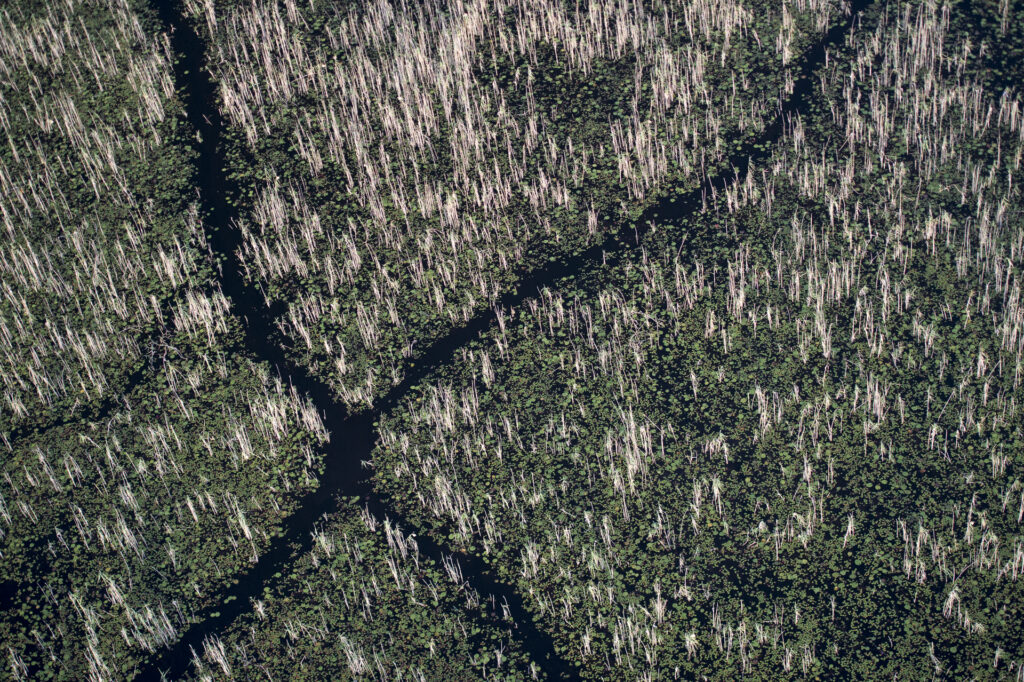
Them Frames: You work in software engineering: How does your analytical brain inform your creative brain, and vice versa?
Jon McCormack: I’ve never really experienced those two sides of myself as being in opposition. In many ways, they strengthen one another. Software engineering taught me discipline, structure, problem-solving, and the importance of iteration. Those qualities are incredibly useful in creative work. Making photographs — and especially shaping a book — also involves decision-making, pattern recognition, editing, and systems thinking as much as intuition.
At the same time, photography has influenced the way I think as an engineer. Creative practice sharpens sensitivity, openness, and the ability to sit with ambiguity. It reminds me that not every important question has an immediate answer, and that elegance matters, whether in an image, a design, or a piece of technology.
Both worlds are, in their own way, about seeing clearly. One is often concerned with logic and structure; the other with feeling and perception. But both require curiosity, attention, and a willingness to refine until something feels true. For me, the analytical and the creative are not separate tracks, they’re part of the same way of engaging with the world.
Them Frames: Away from sales, what would success look like to you in terms of the impact this photo book has on your audience?
Jon McCormack: Success would mean that the book genuinely changes the way someone looks at the world, even a little. If it helps a person slow down, pay closer attention, or feel a renewed sense of wonder and kinship with the living Earth, that would be deeply meaningful to me.
I would love for the book to leave people with the sense that nature is not something distant or separate, but something beautiful, mysterious, and profoundly connected to us. If the work encourages reflection, conversation, or a deeper emotional engagement with conservation, then it has done what I hoped.
More than anything, I hope the book creates a lingering resonance, that after turning the final page, the reader carries a heightened sensitivity back into their own life. Maybe they notice patterns in a leaf, light on water, the presence of birds, or the fragility of a landscape with fresh eyes. That kind of shift in perception is subtle, but it matters. I believe that looking more closely is the first step of caring.
Patterns will be released on April 21st and currently available for preorder via Amazon bookstore.
You can see more work from Jon McCormack by visiting his website and Instagram.
More reading: Ella Morton’s Photography Helps You Feel What Words Can’t Describe