
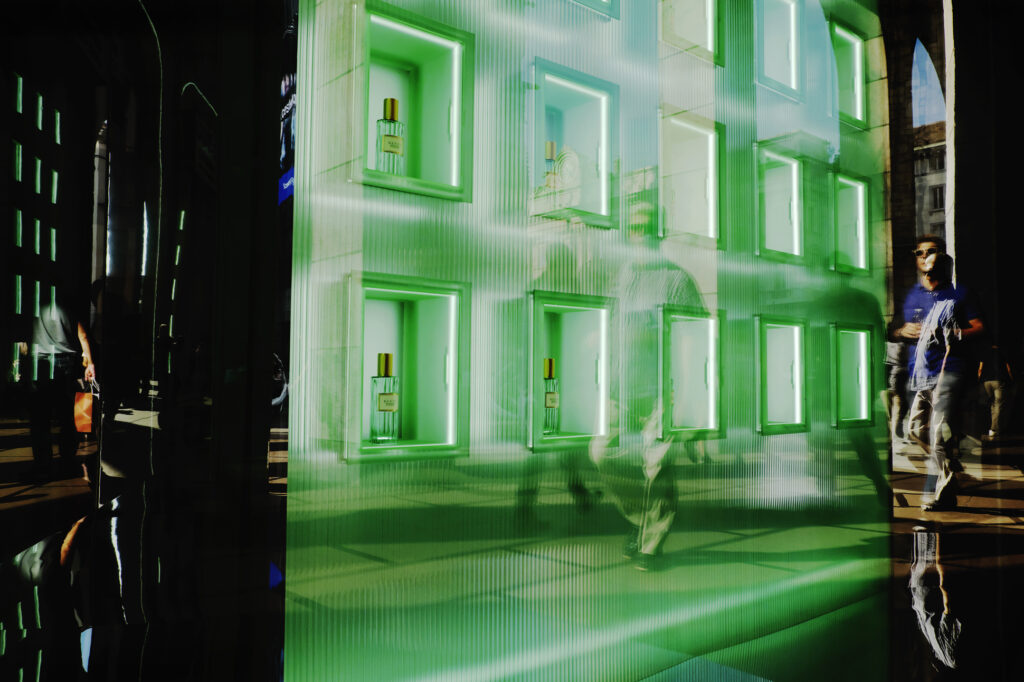
All images by Stuart Paton. Used with permission.
Some photographers hold a mirror up to the world. Stuart Paton prefers to shatter it. Based in Milan for years before recently retreating to a mountain village, Paton has spent his career building a body of work that refuses to sit still, politically charged, visually restless, and genuinely difficult to turn away from.
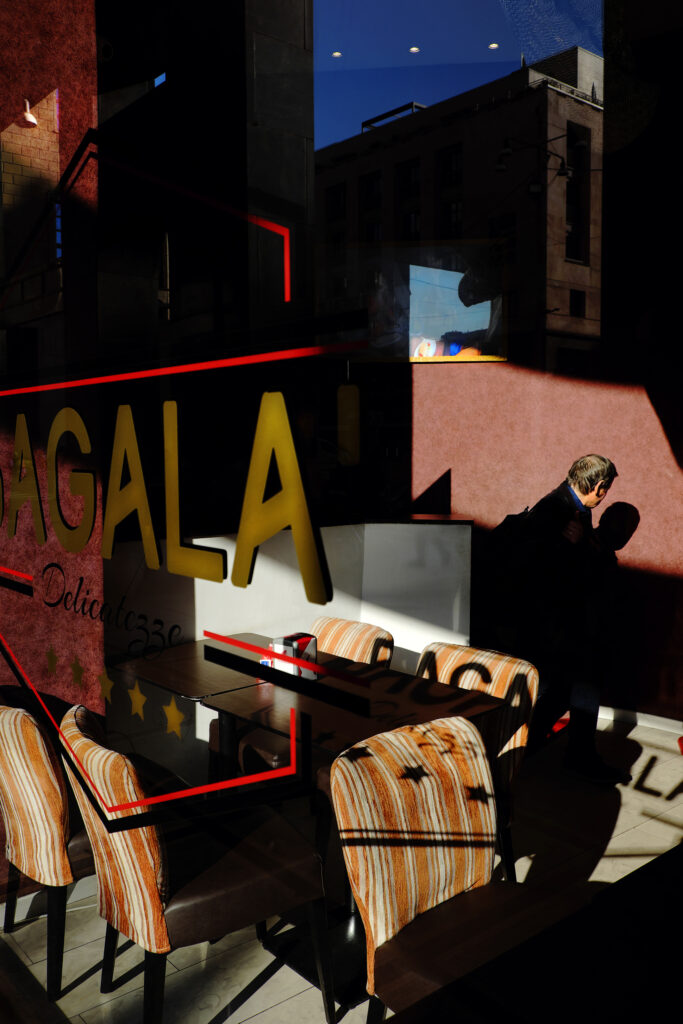
Looking at his work, you get the sense that conventional categories mean very little to him. What holds it all together is a consistent point of view, a way of seeing the world that is skeptical, restless, and quietly angry. It’s that underlying honesty that makes the work land.
What strikes me most is how his convictions are visible in the work itself. These aren’t just aesthetic choices. Projects like Primetime, born out of Milan’s Covid lockdowns, show a photographer using his camera to make sense of a world that increasingly doesn’t.
Paton is candid, unfiltered, and not particularly interested in making things comfortable for the viewer. I reached out to find out more about the ideas behind the work, and he was exactly the kind of interview subject I hoped he would be.
Them Frames: Hey Stuart! Can you share what’s going on in your creative world right now, how you are doing?
Stuart Paton: Like most of us, I’m trying to steal a little joy and avoid getting trampled underfoot. A few months ago I swapped metropolitan Milan for a mountain village so I’ve been fleshing out a fresh photographic alphabet.
Swapping the Gotham grit for village life was a source of concern. A friend sent me a Francis Bacon quote, ‘Even within the most beautiful landscape, in trees, under the leaves the insects are eating each other; violence is part of life’. That gave me hope.
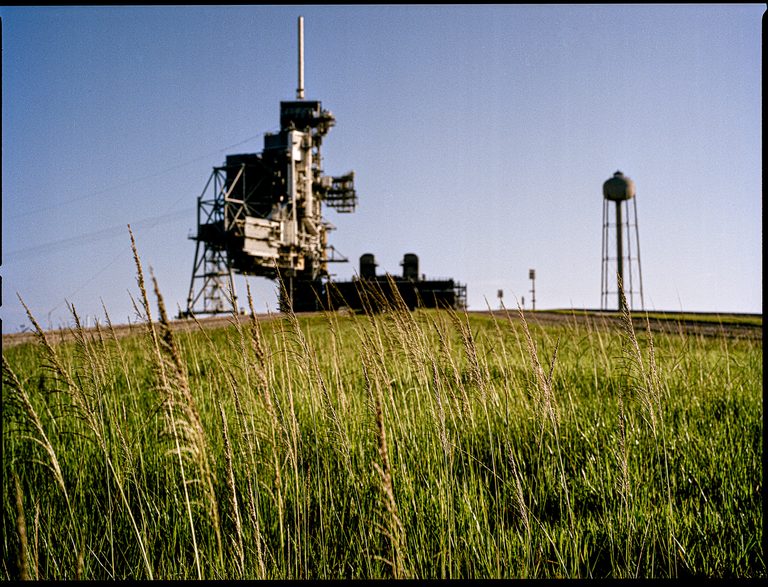
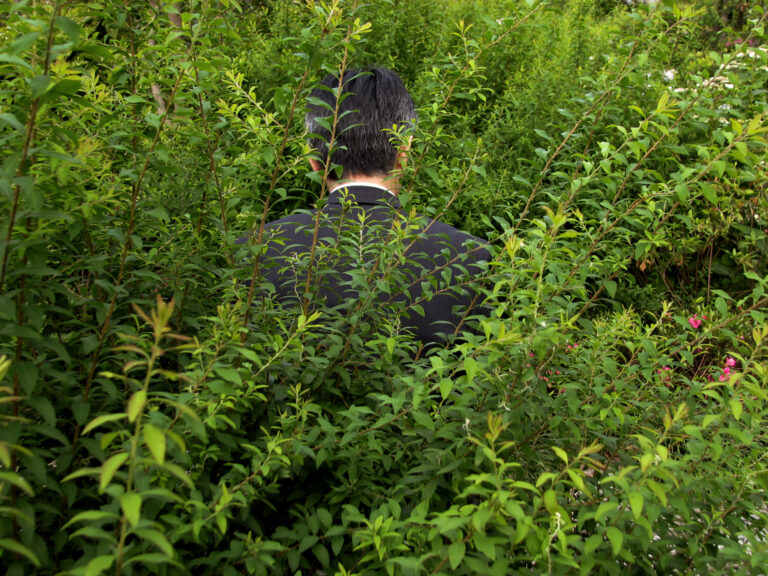
It demands a more contemplative, forensic approach. ‘Aftermath’ is the series I’m developing right now. I’m still kicking it into shape but it’s a semi-fictional narrative imagining what’s left behind after some unspecified cataclysmic ‘event’. Symbols, metaphors… clues from a crime scene.
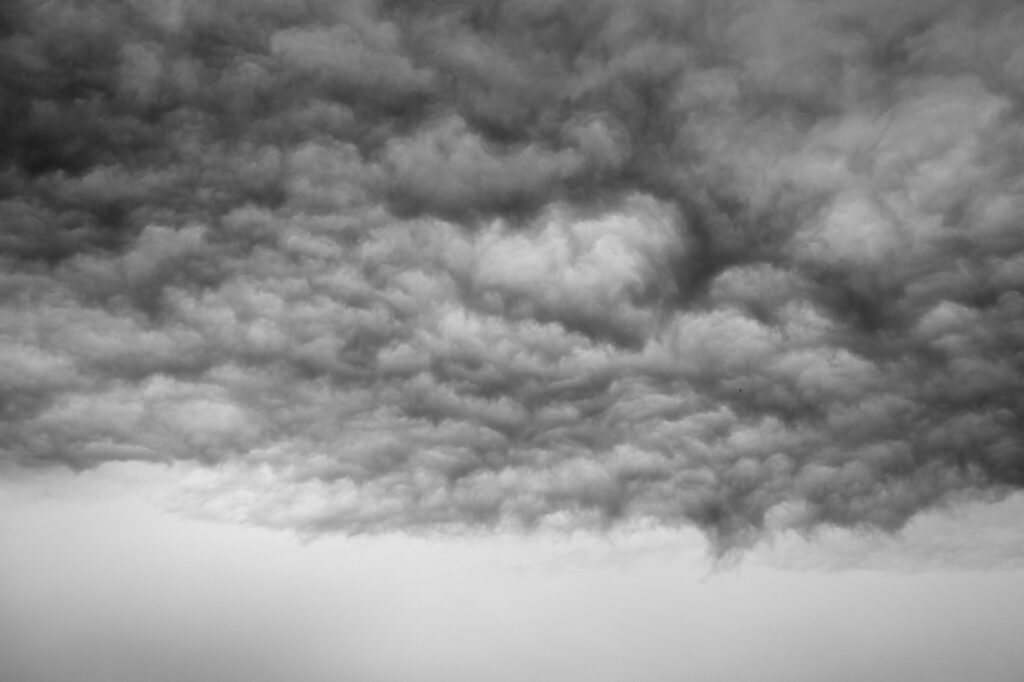
From the series, Aftermath.
Them Frames: Your work plays on shape, light and color while other parts of it focuses on the raw reality of working-class culture. Where do you feel most comfortable when making your images?
Stuart Paton: My work is visually pretty eclectic. What ties it all together is my fundamental point of view, my personal perspective on the world, life and how I engage with it.
The underlying impulsion of that perspective is anti-capitalist. The rage, anxiety and empathy that pushes me to take photographs as a personal act of resistance and self-expression. It then takes on various forms depending on time and context. So to answer your question, that comfortable place is a sensation : shooting in a way which aligns with my core self.
Them Frames: As cultures evolve, how has the public perception of street photography changed since you began? How do you adapt to it?
Stuart Paton: I’m not a bona fide street photographer and the last thing I would adapt to would be public perception. I’ve always felt more kinship with documentary, given I shoot with intention.
Otherwise, I doubt very much there is a public perception of street photography at all given it’s so self-referential and irrelevant. Maybe its golden age was when it ran separate but loosely parallel to documentary photography ? Whereas these days it’s more likely to be imbued with the aesthetics and worldview of advertising photography. A sign of the times, a time of the signs.
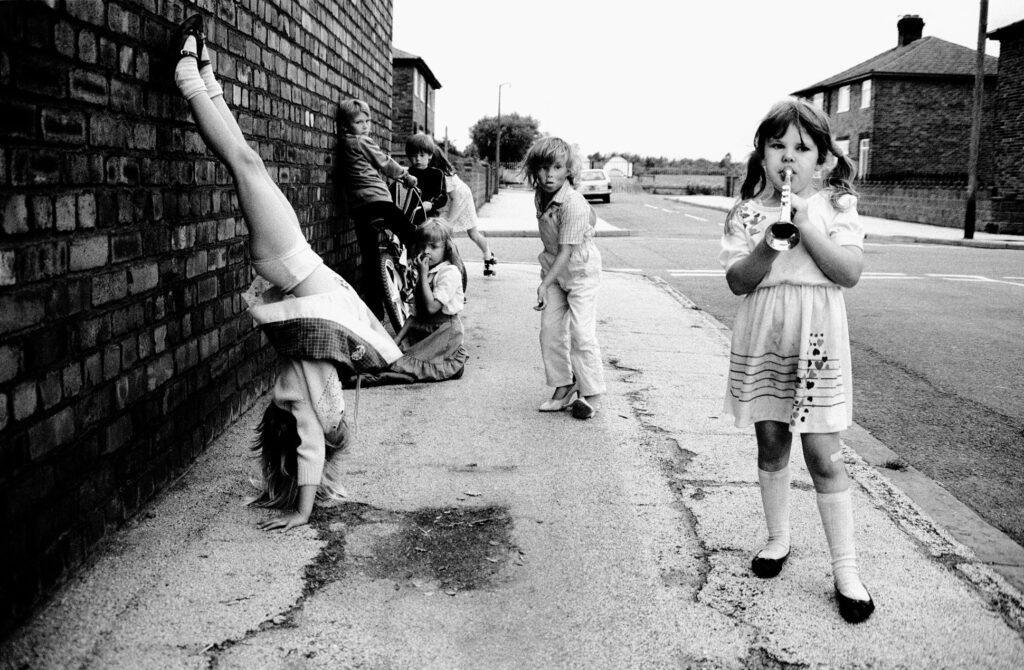
Then when the explosion in popularity happened it was blue pill-ed. The dissonance is deafening. All too often it’s an escapist celebration of an impoverished worldview. Decoration, chuckles and sometimes a little nostalgia sprinkled on top. I say that with all due respect and affection because there are loads of decent, talented people in the mix.
And of course it’s a broad church and people are free to do as they please. But it could be so much more. Instead, in its 21st century incarnation, I believe its net impact is toxic because a sizable section knowingly averts its gaze and subliminally promotes disengagement, desensitisation and dumbing down.
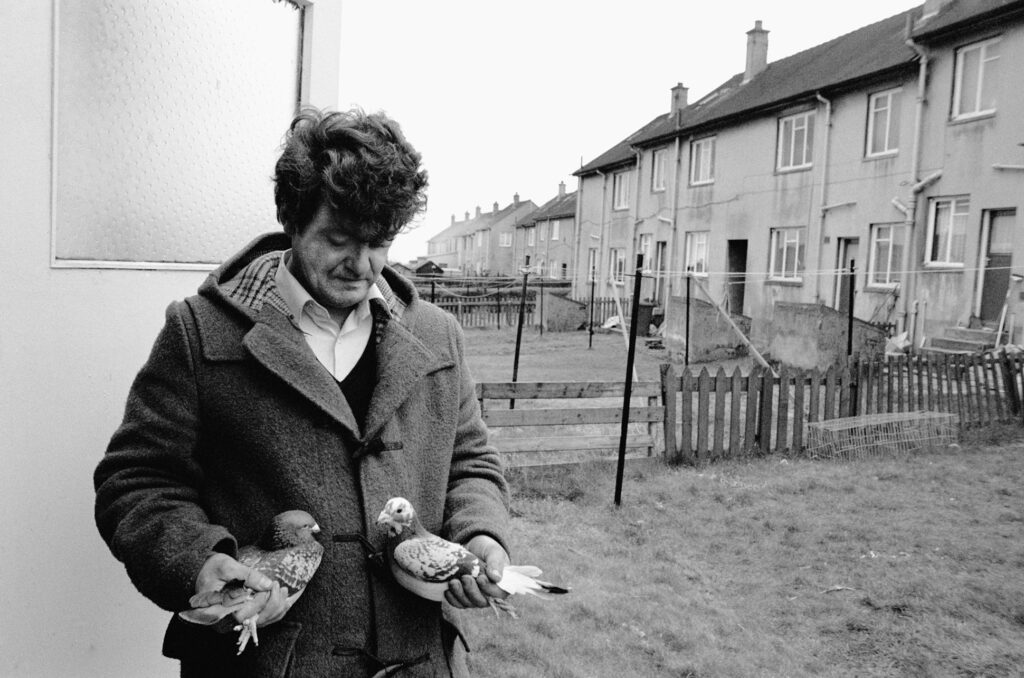
Wim Wenders once said every film is political, especially those which pretend not to be because they’re a subliminal advert for the status quo. I tend to think the same is true of street photography. Rather than kicking back against the world it mainly just reflects some of its worst traits : form over content, nostalgia, celebrity cosplay, the algorithmic tail wagging the dog etc. With its USP of ‘oddity’ it smacks of comfortable middle class sensibility. Some of it makes me want to stab my fuckin eyes out.
A crunch question for each of us is whether our aim is to thrive within the attention economy or to shoot personal work which simultaneously nourishes us individually and in turn raises the collective consciousness. A virtuous circle.
Them Frames: I’d describe Primetime as a unique project – where did the motivation come from to create this type of work?
Stuart Paton: Covid confinement. When the pandemic hit Europe, the Milan area was the eye of the storm. As a photographer I felt there was no option other than to try to document the event if only for myself. Lockdown restrictions were very tight but I managed to sneak around shooting ‘Spillover’ using fake documents and Celtic charm.
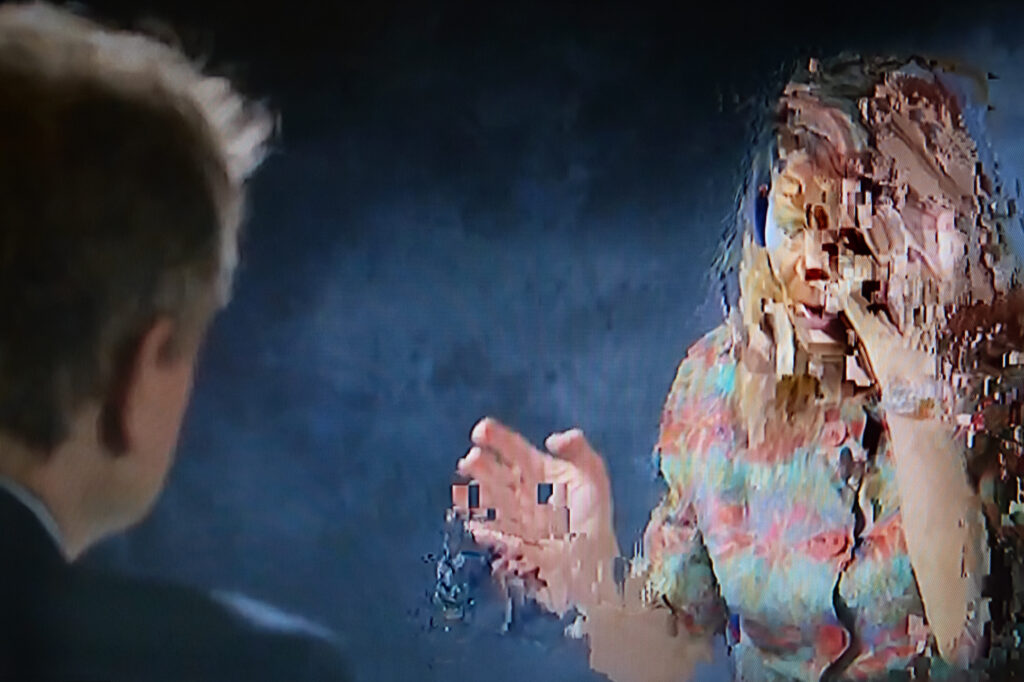
Stuck indoors I turned on the telly to kill time. The garish vulgarity made me nauseous so I leaned into it sensing it fell within my creative remit. I began trying out a few shots and let them percolate. The idea then evolved after reading a book called, ‘The Revenge Of Power’ about the rise of contemporary populism and how Silvio Berlusconi was the prototype, using his television empire to pave the way to political power.
On another level, ‘Primetime’ is also about the armchair spectator’s experience of foreign conflict, specifically Russia’s invasion of Ukraine. War scenes sandwiched in between game shows, weather forecasts and comforting old matinees. Cathodic chaos.
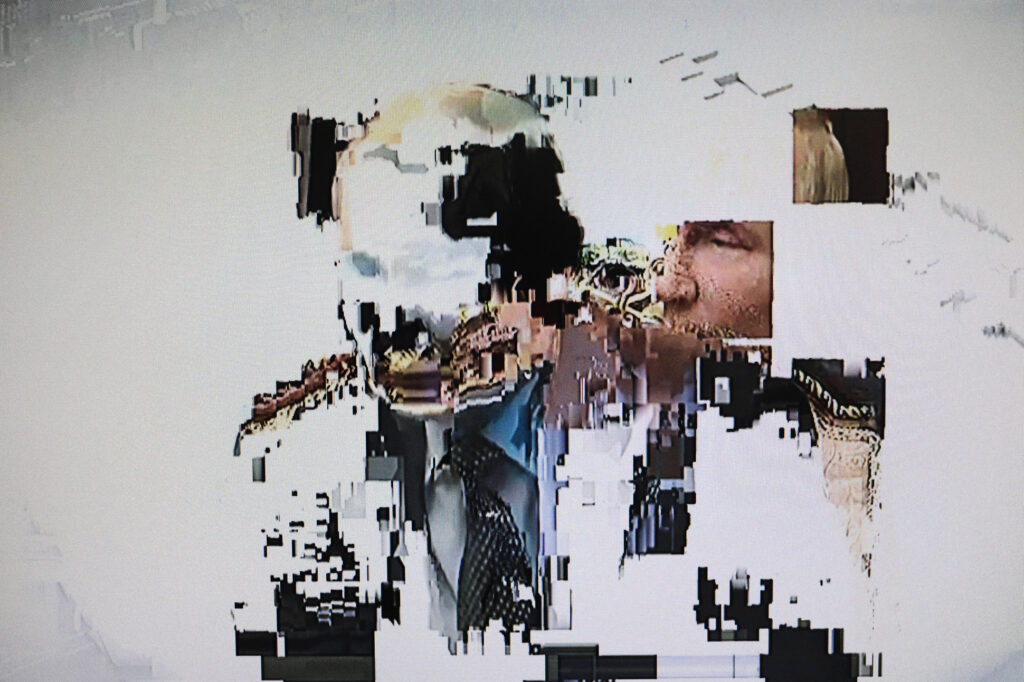
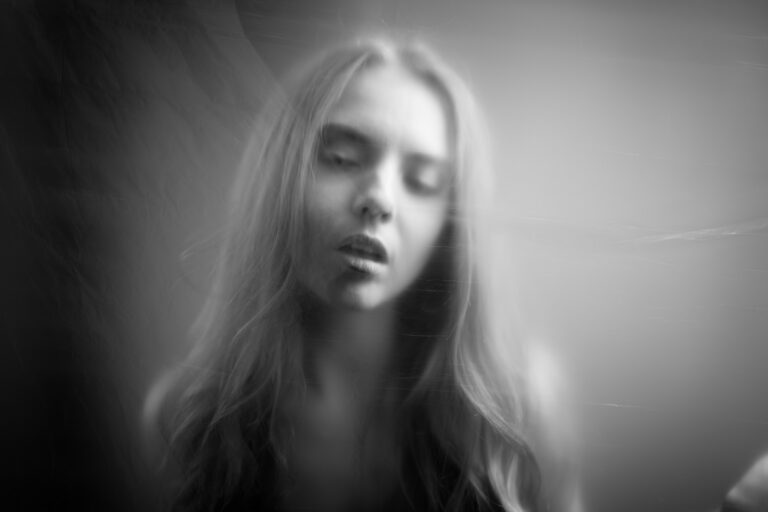
Them Frames: You wrote that through your work, “I try to evoke a sense of psychic pain, disorientation and erosion of self. Please can you expand on that?
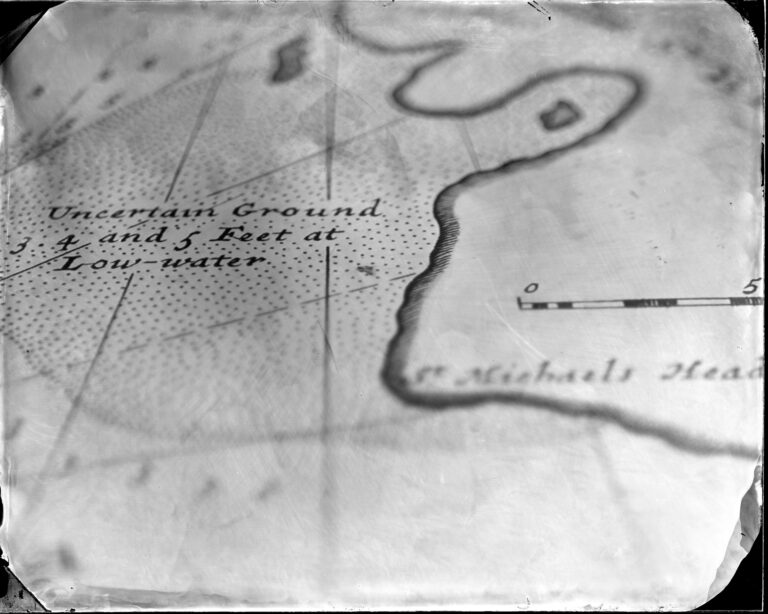
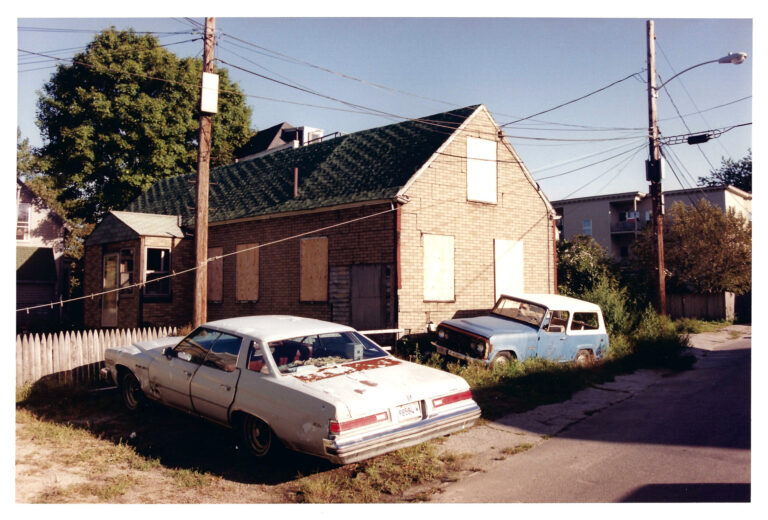
Stuart Paton: It’s how most of us feel isn’t it ? A gnawing dis-comfort. Generally, my photography is in reaction to something. I want it to be of its time. And obviously we live in a very ideologically troubled era amidst the general unraveling these past 30+ years. So whereas ‘Hoi Polloi’ was about the injustice of material conditions, ‘Repeat To Fade’ and ‘Black Dog Empire’ are attempts to transcribe the quote in your question. Make tangible the intangible.
I think we’re living through a historical pivot point comparable to feudalism’s transition to capitalism. It’s fascinating and scary. A time of monsters. All bets are off but I think some degree of civilisational collapse lies ahead. So that’s the backdrop to what and why I shoot.
Them Frames: You run photography workshops. Can you describe what feels like to teach and to pass on the knowledge you’ve obtained during your career?
Stuart Paton: A pleasure and a privilege. As much if not more than taking pictures. Luckily, I seem to attract quality participants. Decent, interesting people. So although by nature I’m a loner, I tend to bond with them because we dive in at the deep end and get to know one another.
Them Frames: Finally, please finish this sentence: I need photography in my life because…
Stuart Paton: I can’t sing like Sinatra.
You can see more work from Stuart Paton via his website and Instagram.
More reading: Gustavo Minas Finds the Hidden Truth Buried in the Streets