
All images by Brittany Markert. Used with permission.
Some photographers find a subject. Brittany Markert found a practice. For twelve years she has been making In Rooms, a darkroom-printed analog series that has grown alongside her, absorbing everything life has thrown at it. Grief, desire, transformation, and the strange, uncomfortable business of being human. It is the kind of project that could only exist because one person refused to walk away.
What drew me to Markert wasn’t just her images, though they are striking enough on their own terms. It was the mind behind them. She is a genuinely reflective, curious thinker who writes about her own creative process with clarity and unfiltered honesty. She talks about the darkroom alchemically, about celibacy as a creative force, about sitting through discomfort as a creative discipline. It all feeds back into the work and is why In Rooms has such longevity.
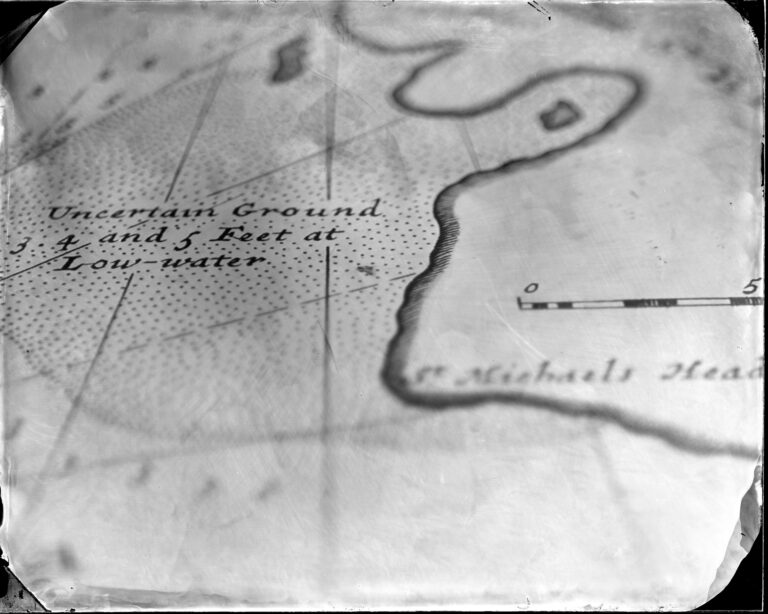
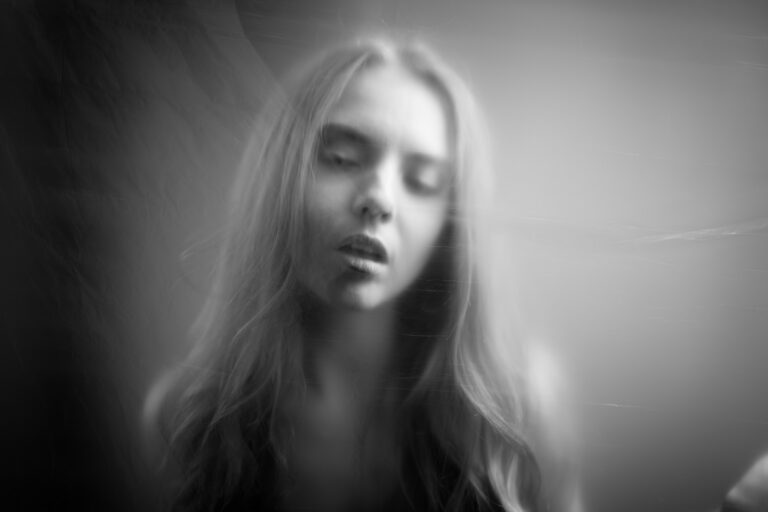
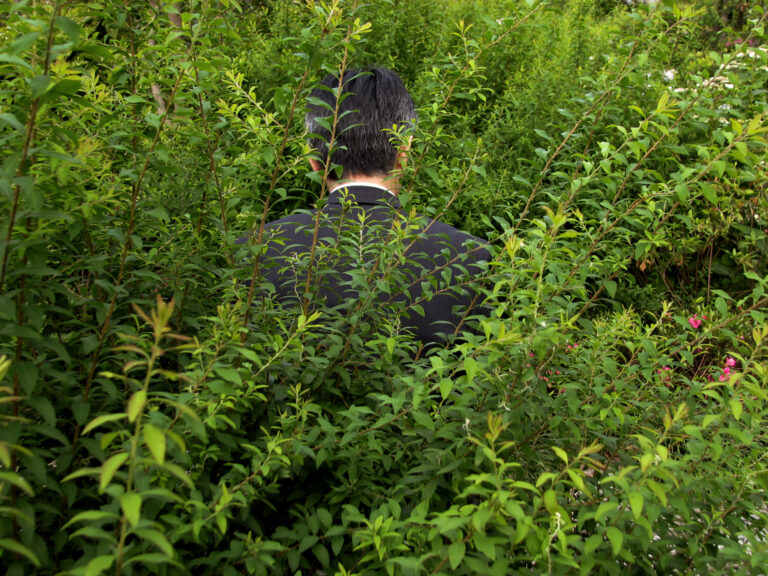
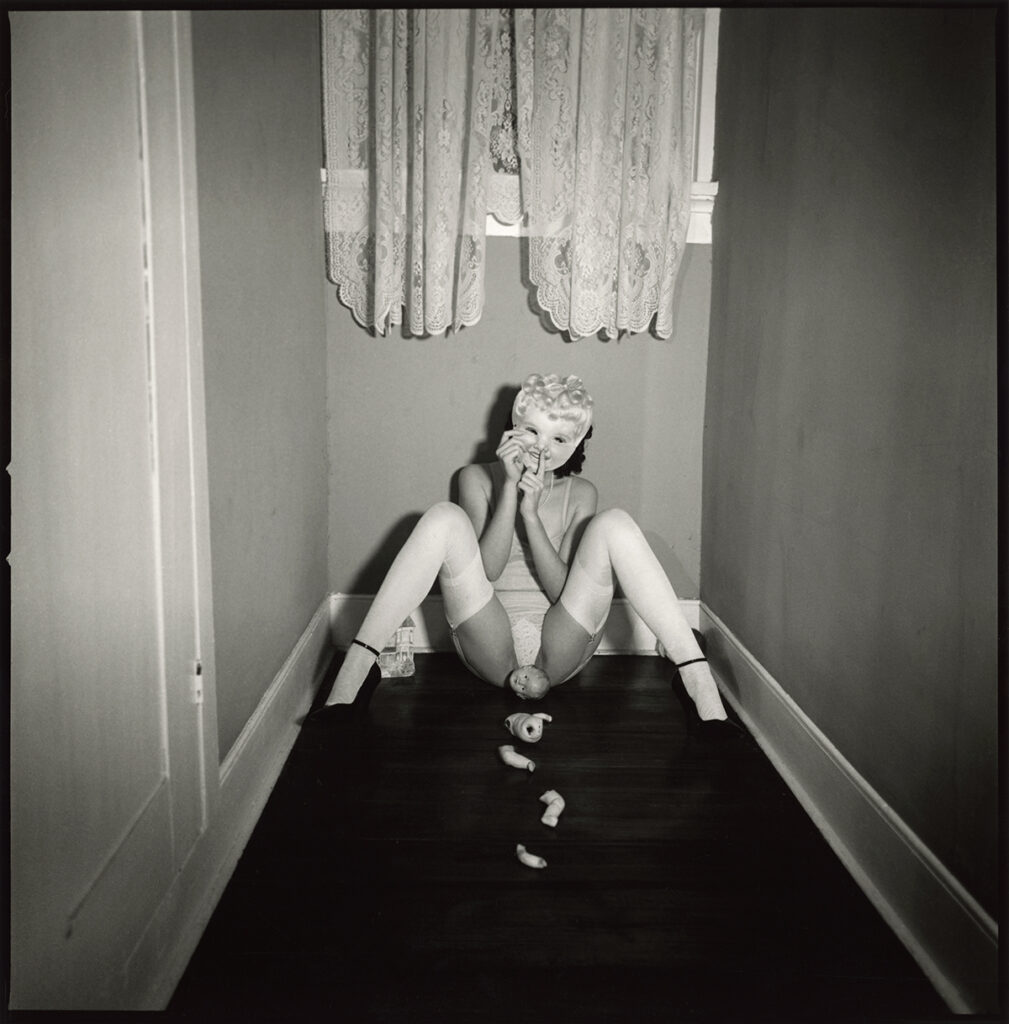
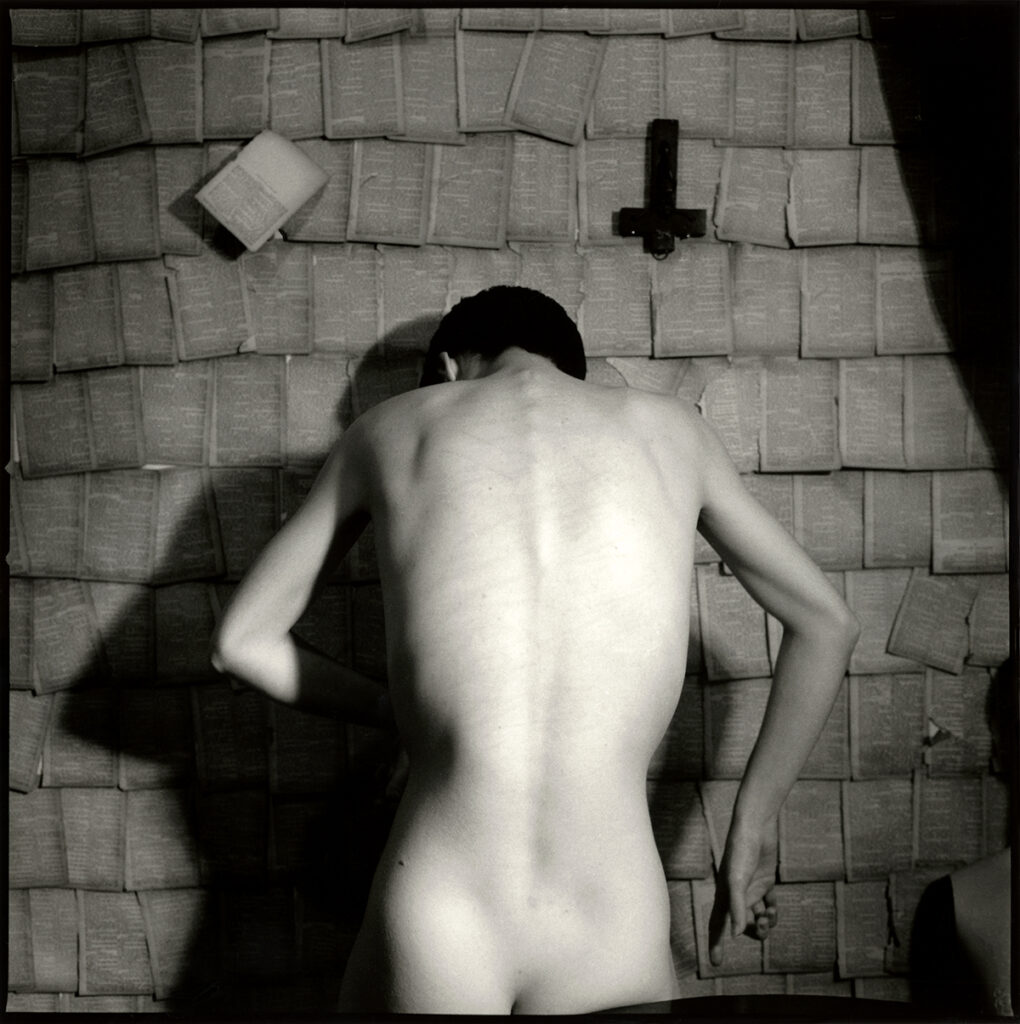
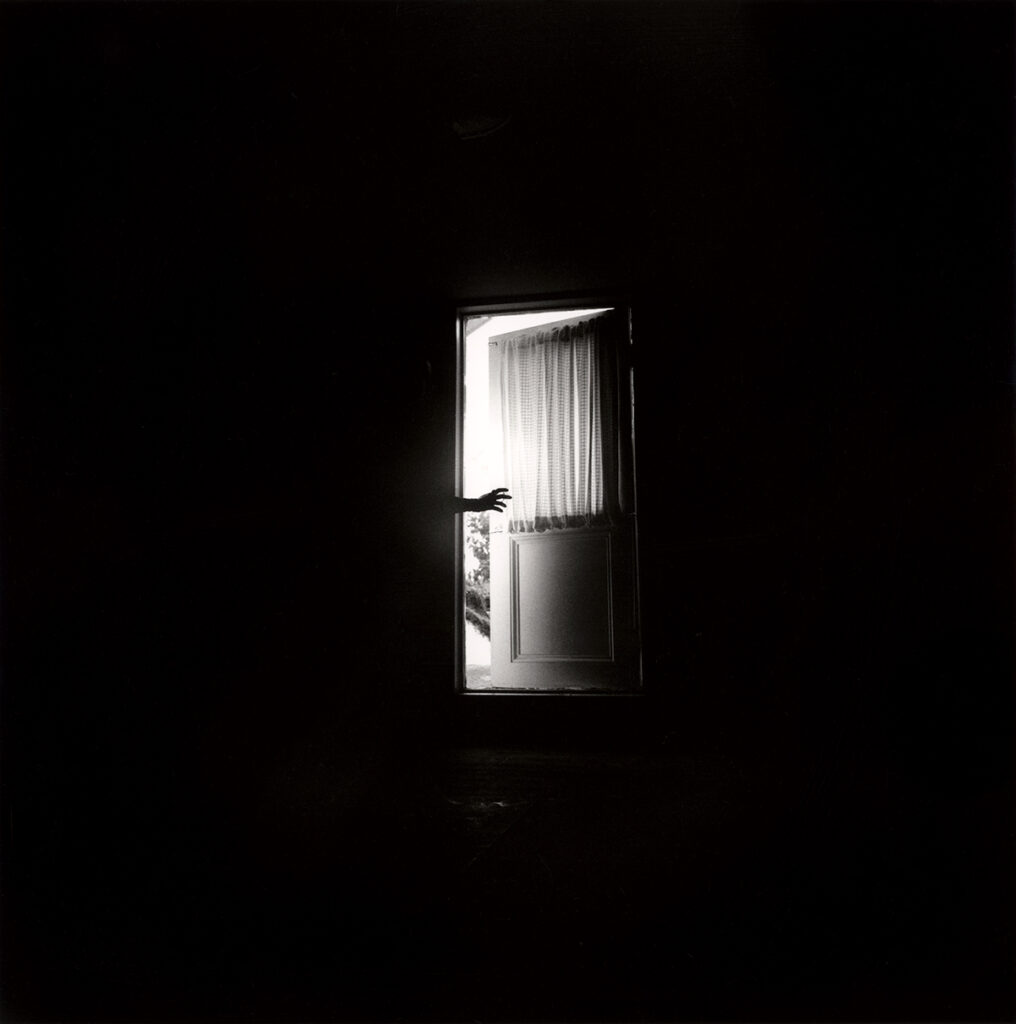
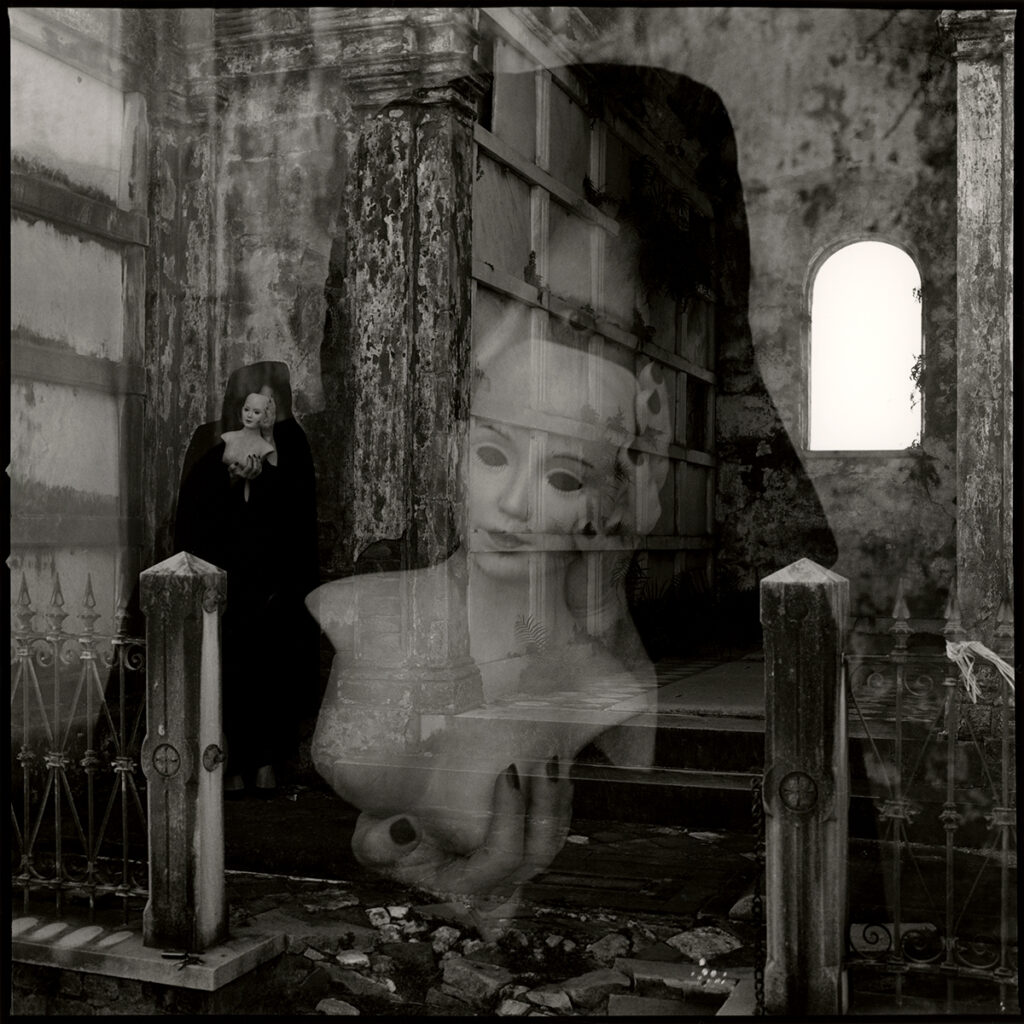
The images themselves are dark and theatrical, full of masked figures and charged interiors, but the darkness never feels performed or forced. The psychological weight in the frames is real because it comes from deep within Markert – it’s a creative board for her to share her stories. Twelve years in, she is still descending into this world and still finding something worth bringing back up.
It’s an in-depth interview and worth every minute of your time.
Them Frames: Hey Brittany! In Rooms is approaching its twelfth year. How do you feel about the current state of the series, and did you ever imagine it lasting this long?
Brittany Markert: Yes, it’s hard to believe my journey with the Hasselblad is approaching 12 years. I never imagined it would last this long, but I also don’t think I imagined a life outside of it. In Rooms began as a private ritual to understand the world around me and my own interior landscape. Over time, it felt like a living, breathing inner architecture, a pathway of moving through grief, desire, fear, transformation, and the strange theater of being human.
At twelve years, the work feels like an extension of my life force, a thread of consciousness I am continually excavating. The images have matured and evolved with me. In the beginning, during my twenties, there was more seduction, performance, and a dense shadow undercurrent. The work was striking from across the room, but it was also keeping so much hidden.
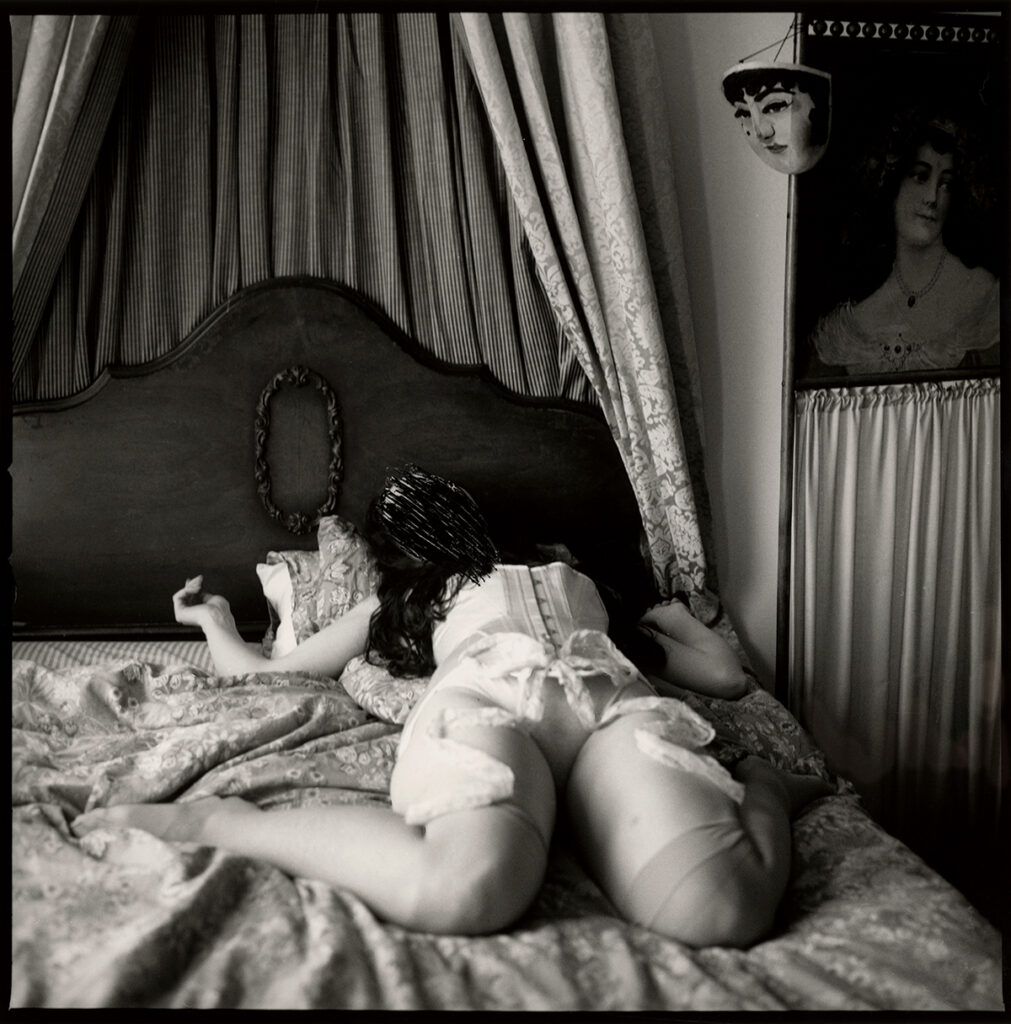
Now I feel more interested in truth and authenticity, what happens when the masks crack open, when the image stops trying to be perfect and begins to reveal something more alive and human.
The current dimension of In Rooms feels very potent to me. After taking a seven-month break from photographing to recalibrate, I’ve been surprised by how naturally the work returned. It is still dark, theatrical, and psychological, but there is more clarity and presence now. I feel less like I’m trying to disappear into the image, and more like I’m using the image to emerge and invite the viewer into the process.
Them Frames: Because of its longevity, I imagine there may be some pressure to keep coming up with fresh concepts – how do you manage that and what helps spark ideas?
Brittany Markert: In the beginning years, I did feel a lot of pressure to keep churning out new work. I remember a tremendous weight in year four and five, a completely self-made terror, that I needed to produce work at a certain rate or I would be irrelevant. At a certain point, I started trusting the process and developed a cyclical structure to keep my process going.
I understand there are periods of creativity, periods of rest, periods of growth and evolution and I never try to rush any of these periods. I love the idea that if you ever feel stuck or like the series is dying, just go move! Go live your life! It’s simpler than people think. Once you start moving and living, forgetting the narrative altogether, it returns to you when you least expect it. In order for the series to evolve and grow, I have to as well.
My ability to sit through discomfort and uncertainty is a large part of what I owe to the length and success of this project. I wonder, how many people have walked away too soon? It’s okay to fail, to not have the answers, to test out the same ideas over and over again and then suddenly be surprised when a miracle appears on film.
Ideas often arrive through emotional tension and uncertainty, dreams, energetic readings of interiors, objects, relationships, films, myths, or an alignment of opportunity. A room will usually present me with a vision, a prop may appear and feel charged, or a feeling I don’t understand will become an image in my mind before I can make sense of it.
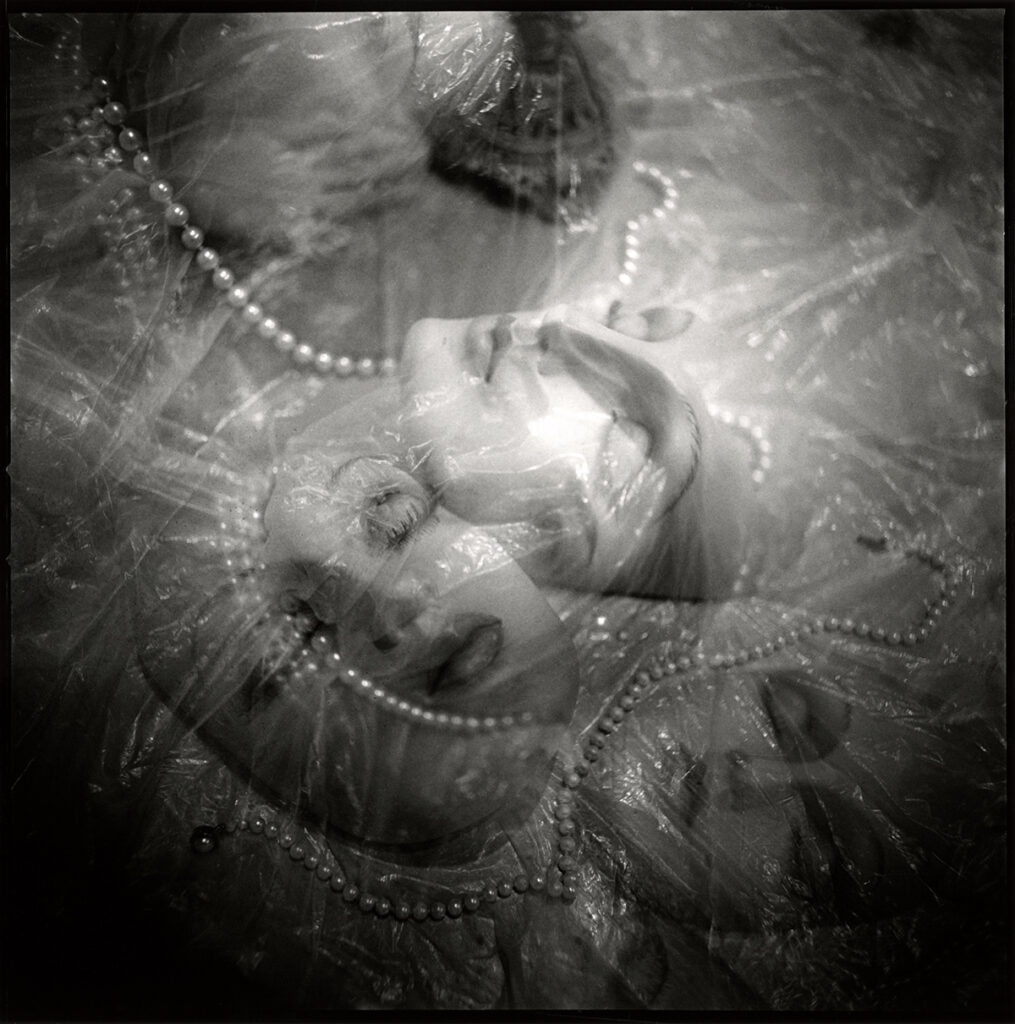
Since In Rooms is a psychological series, the work stays alive as long as I stay honest with myself and realign myself to the present. I don’t need to reinvent the entire universe of the series; I simply keep descending into it from a new level of consciousness. I am always releasing myself from the past, from the story, from the ideas of what I have about the work. In this process of not clinging to the results, the series continues to speak amongst itself and surprisingly, it still goes together after all these years.
Film also creates space for mystery in the process, it allows chance, accident, miscalculation, and imperfection to enter. I may begin with an intention, or concept, but the photograph often reveals the unconscious undercurrent I could never have prepared myself for.
When I am truly lost or stuck, in life and in my creative ideas, I return to the work for guidance. The interconnected energy of images together speaks to me, holds me and reveals the deeper parts of me that need to be nourished and lifted. I am reminded of the power of this project, to hold a light to our inner worlds in the unknown and offer guidance.
After year 10, I have felt a tremendous freedom and lack of creative pressure, the series happens whenever I take my camera out. Anything further I create is a luxury, a surprise, a miracle. I wish for this level of contentment for any artist. The creative pressure has softened, but what remains is the very real and practical pressure of sustaining, producing, and sharing the work.
Them Frames: Please can you give us an insight into the technical part of the process. I imagine doing self portraits, multiple exposures and using analog cameras has its challenges?
Brittany Markert: Self portraiture is its own kind of Sisyphean effort. Francesca Woodman made it seem easy throughout her portfolio, and I can deeply attest that it is an unpredictable, infuriating yet also a mystical and enriching process.
My own work is very physical and intuitive. In working with film and printing in the darkroom, there is a delay between the experience of making the image and seeing what was captured. This space to decompress and detach from the emotional experience of creation is important to me.
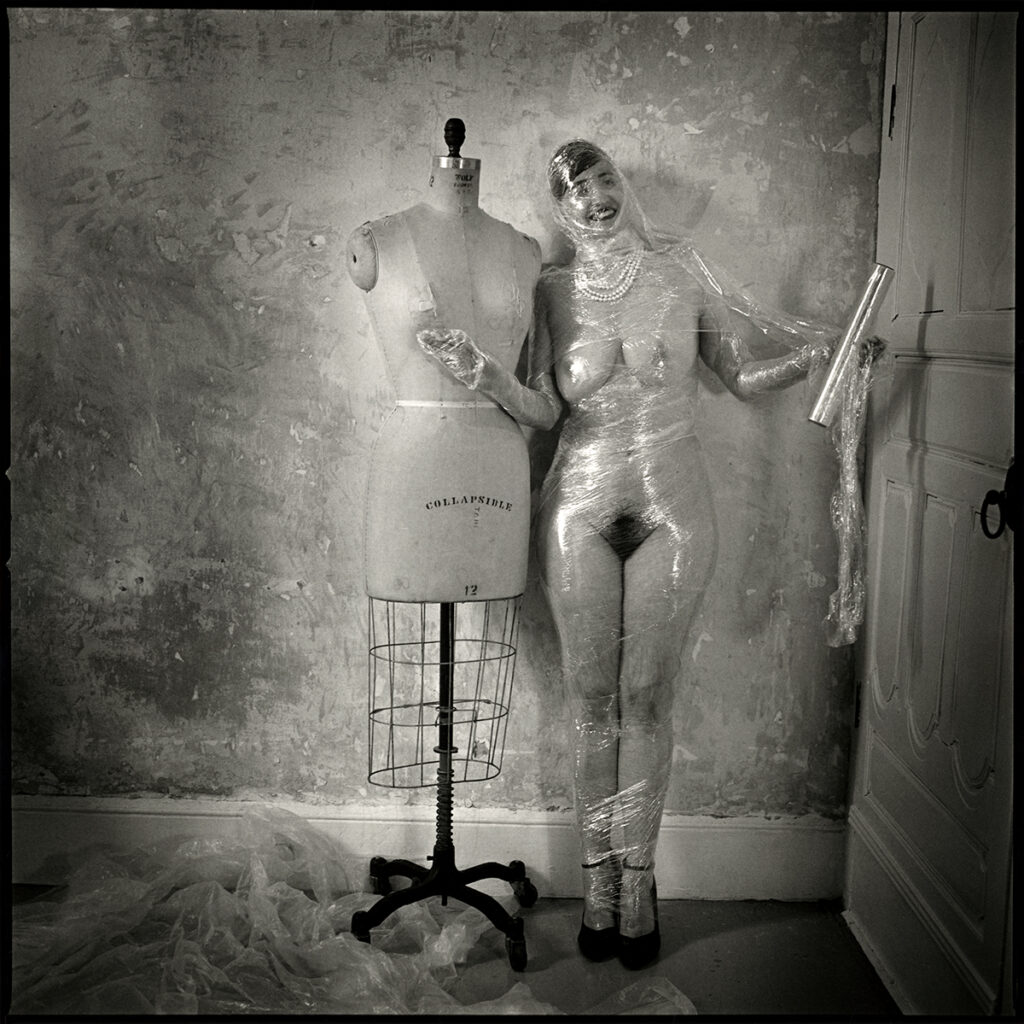
Self-portraiture with film is challenging because I can’t see the results, yet holding the camera, and capturing an exact moment and composition is so important to me when photographing other people. I often have to build the scene, meter the light, position the camera, use a timer or cable release, and then enter the frame as both subject and director. It requires a strange split of consciousness that is disorienting and exhausting. I am inside the image emotionally, but I’m also thinking about light, exposure, composition, and timing.
Often, when I press the shutter, I have to sprint into the image at full force, do some miraculous physical posture and then switch back to my director’s brain and try to understand what happened.
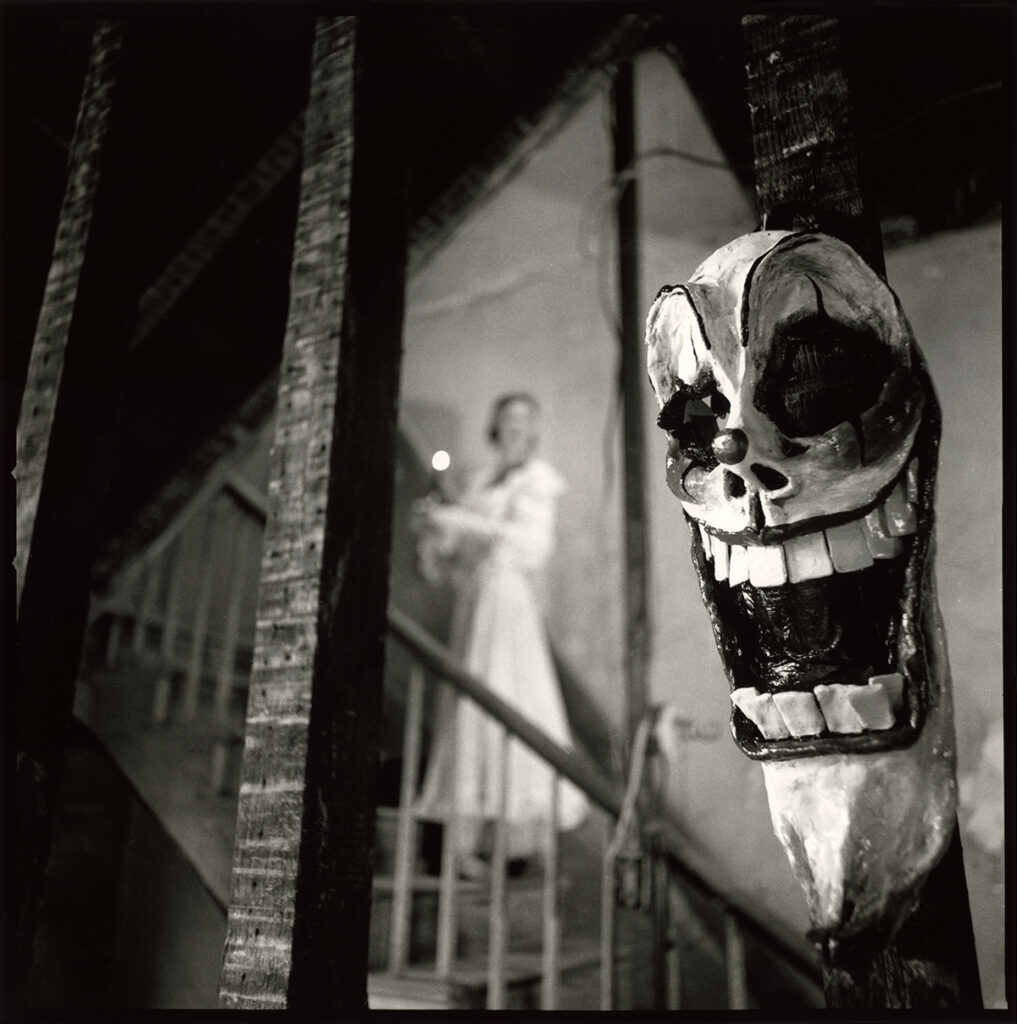
Multiple and long exposures add another layer of uncertainty. I may have an idea of how two frames will merge, but film has its own will. This part of the intuitive present moment lends itself to my best work, usually. Sometimes the accidents are failures, and sometimes they are more psychologically accurate than anything I could have scripted.
The darkroom is where the image becomes fully realized. Printing by hand is slow. Dodging, burning, contrast, and density all change the emotional reading of a photograph. I think of the darkroom almost alchemically, the negative contains the latent image, but the print is where the transformation occurs.
The challenges are part of why I continue to work this way. Analog photography resists speed and it asks for devotion, patience, and attention. That feels very aligned with the world of In Rooms.
Them Frames: You recently wrote an article about your period of celibacy. Can you share what kind of impact this has had on mental clarity and how it’s shaping your creativity?
Brittany Markert: Celibacy has unexpectedly altered the chemistry of my creative psychic field and life force. This period of my life has given me a level of clarity I didn’t fully understand I was missing. For a long time, my creative life was intertwined with longing, desire, projection, and the emotional intensity of relational dynamics. That intensity, the orbit of deep attachments fueled by desire, instability and a fear of abandonment, can be very seductive artistically, but it can also become all consuming and straining on my own voice and center.
Choosing to devote myself to celibacy — and I fully mean zero romantic attachments: flirting, texting, dating, etc. — has allowed me to reclaim a tremendous amount of energy and strength after leaving a 10 year partnership. Instead of directing my attention outward, toward being desired, chosen, seen, or having mutual understanding, I’ve been able to bring that energy back into myself and into the work.
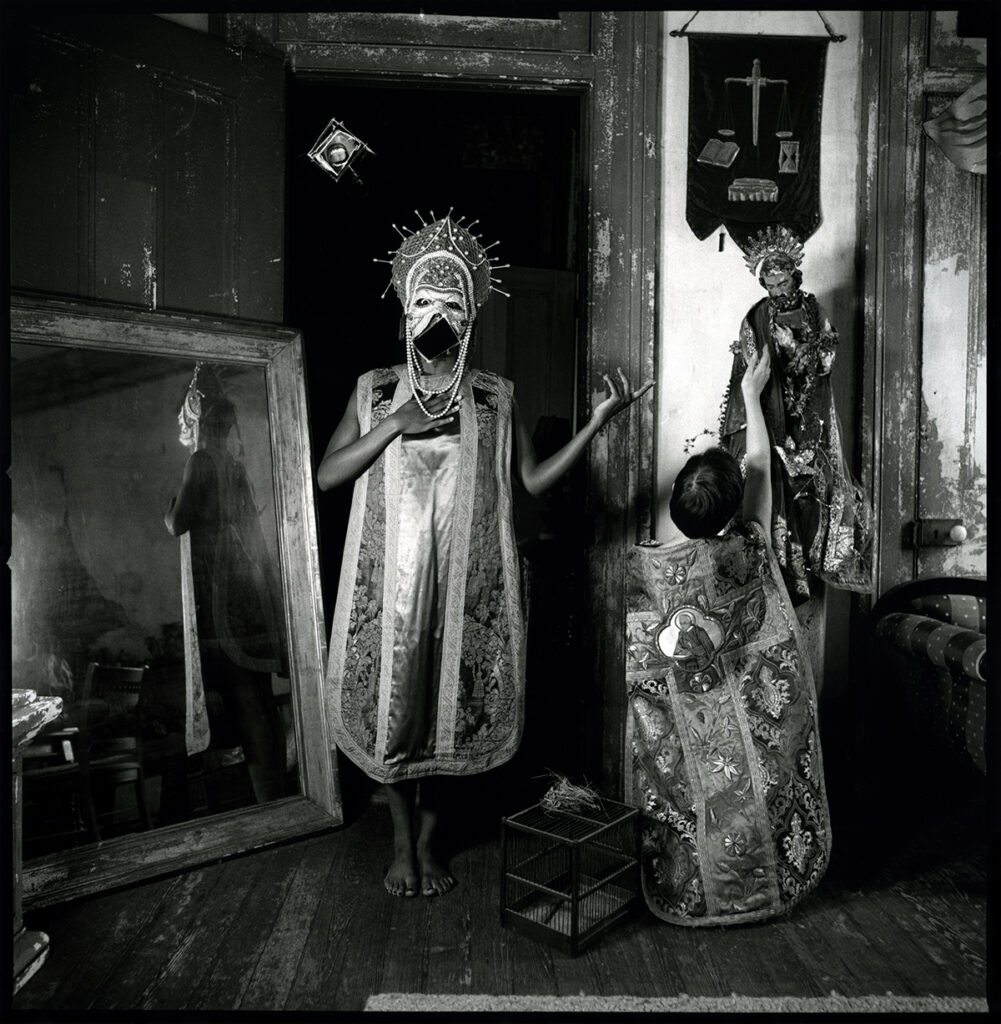
It has made me more discerning, more grounded, and more aware of where my creativity comes from. In an alchemical sense, it feels as though something in my spirit has been purified, and my inner processing system has become more alive, intuitive, and clear.
I don’t see celibacy as a rejection of sensuality. In many ways, it has made my relationship to sensuality more powerful because it is no longer dependent on another person. It has become internal, sovereign, and creatively generative.
Artistically, I feel like the work is shifting from seduction into revelation and sovereignty. There is still desire in the images, but it reads less like a performance. Unexpectedly, the work also carries an uncanny discomfort and psychological horror but it is stripped of a claustrophobic energy. This entire process has been very transformative for me. I don’t intend for this period to be forever, but I’m honoring the clarity it has given me and allowing my life to reorganize around a more profound sense of love, devotion, and alignment.
Them Frames: You also teach and offer consultations. What is the experience like for you and what should people expect from working with you?
Brittany Markert: Yes, I started teaching mathematics in summer school at 14 years old. I’ve always loved teaching and reconnecting to others through shared knowledge but it took me a while to have a sensibility with photography and understanding of my own artistic process. Teaching and consultation with other artists and creatives is a natural extension of the work. In Rooms has always been a process less about making an image and more about intuition, emotional truth, and learning how to trust the present moment.
I’m interested in helping people strengthen both their technical eye and their inner voice. I bring a deep history of photography and examples to each session and am curious of the goals of my students. I’m not interested in imposing my world onto someone else’s, in fact I usually tuck away In Rooms when I’m teaching. I’m interested in helping my students see what is already alive in their own work and how to bring it forward with more clarity and purpose.
For darkroom lessons, people can expect a hands-on, intimate experience with the printing process. The darkroom is slow, and through this hands-on process it teaches people how to observe and digest their own work. I walk people through my own methods, other people’s methods and also attune and adapt my suggestions to their own interests.
In consultations, the experience is more conversational and intuitive. I often approach someone’s work through both formal critique and symbolic reading. I want people to leave our sessions feeling more connected to their own voice, more inspired to move forward and more alive in their creative world!
Them Frames: We love music here, and I see you enjoy classic music. If there was a specific piece of music or artist you could use to be the sound track of In Rooms, which would it be and why?
Brittany Markert: Classical music is the soundtrack of most of my days, but the true sonic world of In Rooms has long been The Caretaker.
For the first eight years of the series, I listened to albums by The Caretaker while photographing and editing my work. This was an intentional ritual to transport my mind into the world.
An Empty Bliss Beyond This World was played on repeat, then I also repeated songs from the later album Everywhere at The End of Time. If you aren’t familiar, The Caretaker wrote the initial album as a kind of elevator music for The Shining and then the later albums evolve from each other, researched off memory and time. The way he evolves his music and explores memory is very similar to how I create In Rooms. After finishing my second monograph, In Rooms Vol. II , I retired myself from listening to these albums while shooting, the psychic field was finished. Lately when I’m photographing, I have listened to film soundtracks: Weapons, The Hours, The Witch, Suspiria, The Conjuring, and others. There is a separation from my daily music and the music I listen to when I create and edit In Rooms.
Them Frames: Finally, please finish this sentence: I need photography in my life because…
Brittany Markert: It gives form to the invisible moments hidden in plain sight. It allows me to enter rooms within myself and others that I could not otherwise reach, and return with proof that we are all connected by the uncanny experience of being human.
You can see more work made by Brittany Markert and find more information about her services via the In Room Gallery. You can also connect with her through Instagram.
More reading: Joanna Steidle’s Drone Photography Sees What We Can’t