
Credit: Emma Valbret.
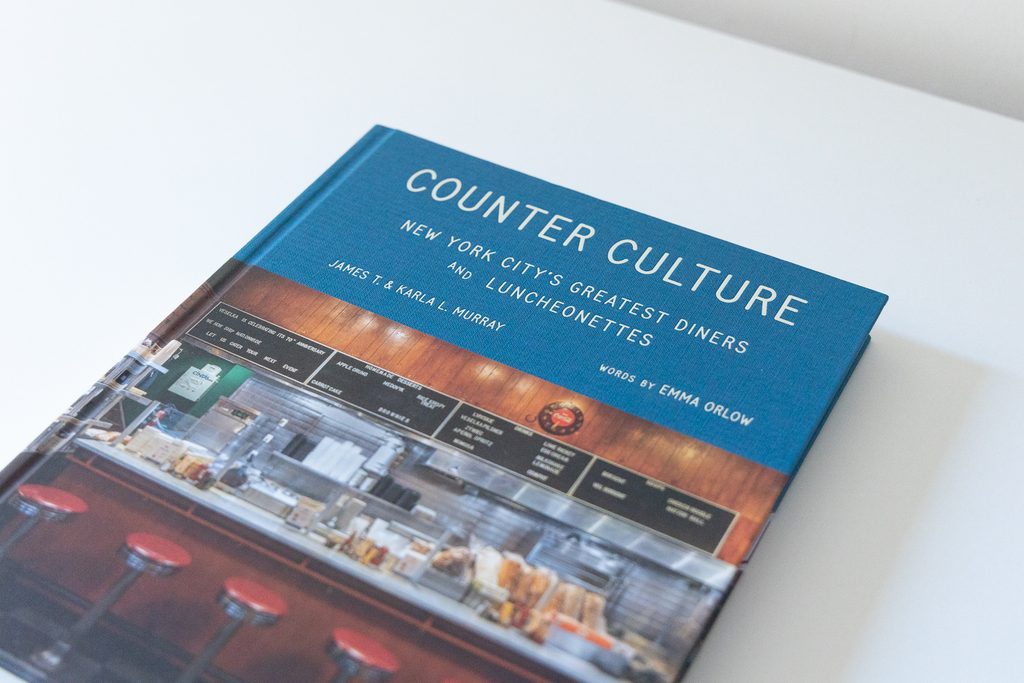
Husband-and-wife photography duo James and Karla Murray are releasing a new book, Counter Culture: New York City’s Greatest Diners and Luncheonettes. If you’ve seen their previous photobooks, particularly Vinyl NYC or Store Front NYC, you might already have an idea of what to expect. Whether you know their work or not, there’s more to this one than the pictures alone.
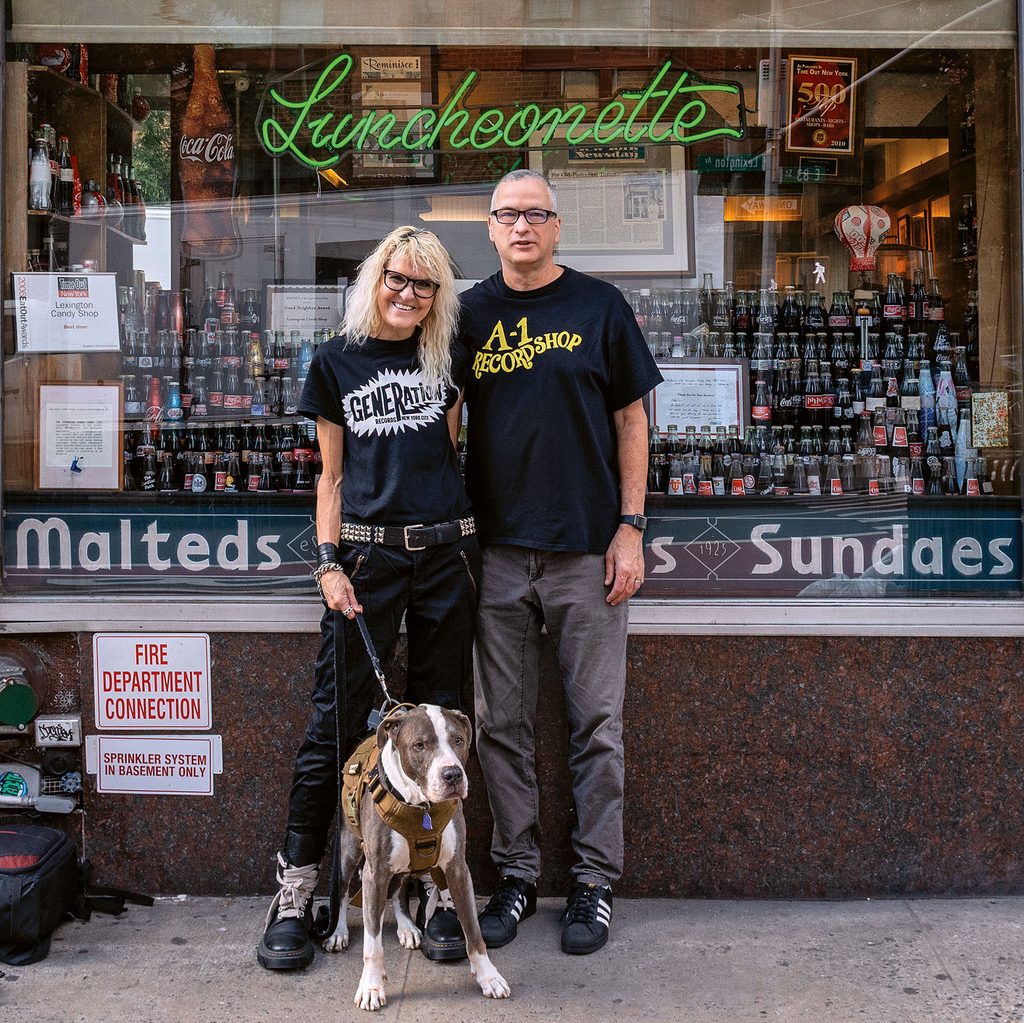
James T. & Karla L. Murray, and their dog Hudson at Lexington Candy Shop © James T. & Karla L. Murray, 2026
New York’s diners and luncheonettes are famed for their affordable food, late opening hours and bottomless coffee. However, through this new book from the Murrays, it’s clear that these establishments are about much more than a place to dine. They are community spaces, a base for friends, a safe and welcoming place for a diverse range of people to rest, chat and, most importantly, belong.
Throughout the collection of photographs, you’ll spot the instantly recognizable features of an American diner, while also discovering an immense diversity across the selection of 30 Manhattan eateries featured.
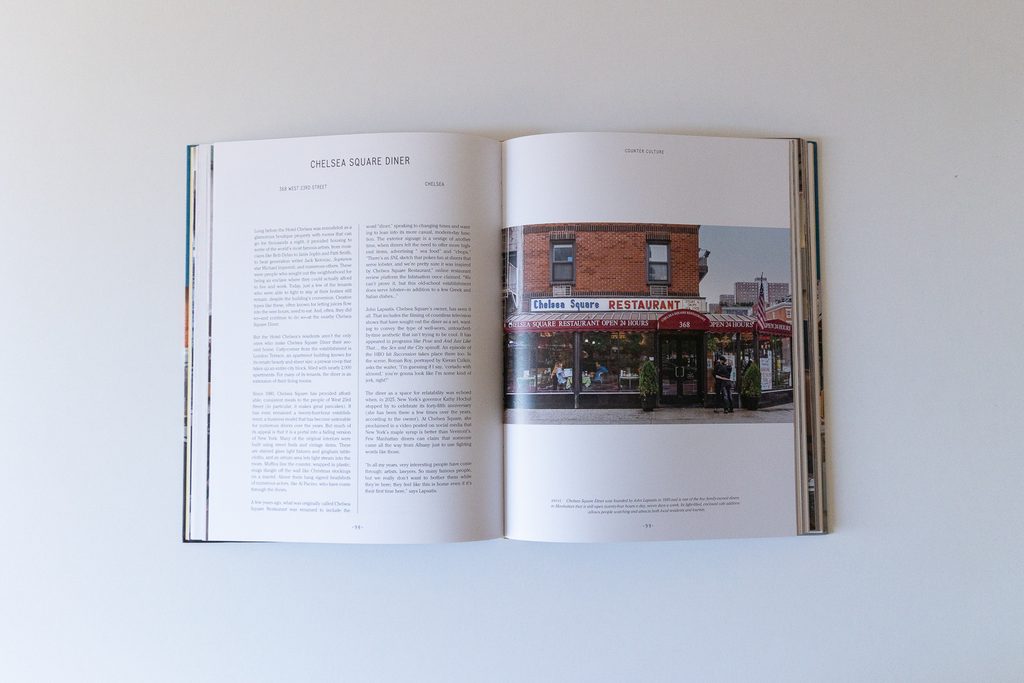
The book not only offers a visual insight into these businesses, but also in-depth written descriptions of their histories, thanks to culture journalist Emma Orlow. The combination of history and imagery creates a collection that is both meaningful and fun, and a strong reminder of how valuable diners are to the city.
Credit: Emma Valbret
Inside the Book
The book opens with an introduction that makes you desperately wish to experience a Manhattan diner for yourself. For someone like me, who has never stepped foot inside one, this opening immediately conjured images of an inviting, busy atmosphere and a strong sense of belonging, setting the tone for the rest of the book.
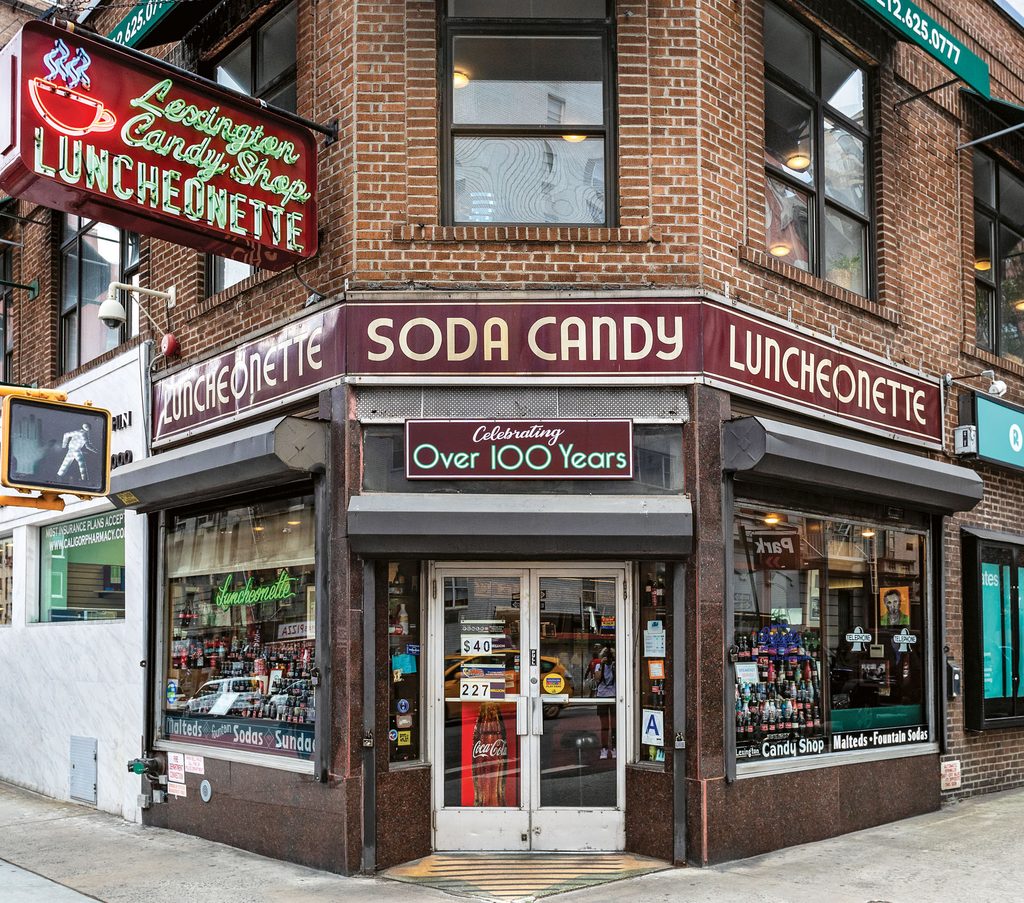
Lexington Candy Shop(exterior), 1226Lexington Avenue, Upper East Side © James T. &Karla L. Murray, 2026
The first photograph is of the outside of the Lexington Candy Shop, a famous luncheonette spot on the Upper East Side. Orlow writes about the origin of the name (spoiler: chocolate used to be made in the basement before the business started to focus on lunch) and introduces us to the owners, an ethnically Greek family who emigrated to New York and started the business over 100 years ago.
With the interior only being renovated once in 1948, the look of the place has largely stayed the same ever since, offering the chance to travel back in time to experience a truly unique dining environment.
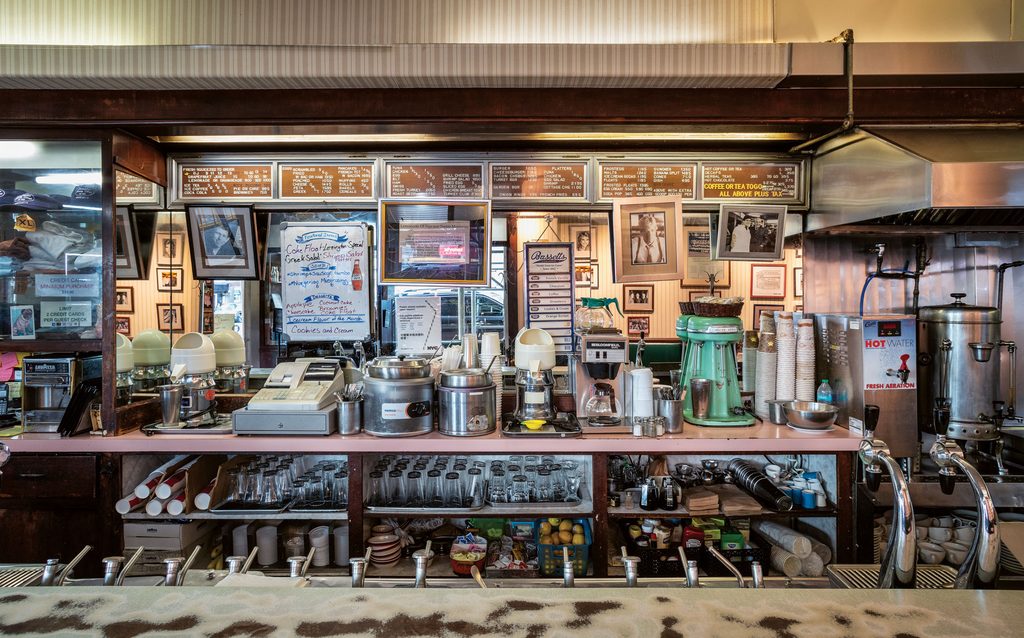
Lexington Candy Shop(interior), 1226Lexington Avenue, Upper East Side © James T. &Karla L. Murray, 2026
We get to see the nostalgic interior in more detail in the images following, which let you peek behind the bar and in the booths. In fact, with every diner featured, we are treated to both exterior and interior photographs that give you a well-rounded view of each unique space.
Dotted throughout the photographs are further reminders of the age of these long-standing establishments, from door signs to old pictures of the businesses’ past hanging on the walls. Together, these details highlight just how deeply ingrained diners and luncheonettes are in New York’s culture.
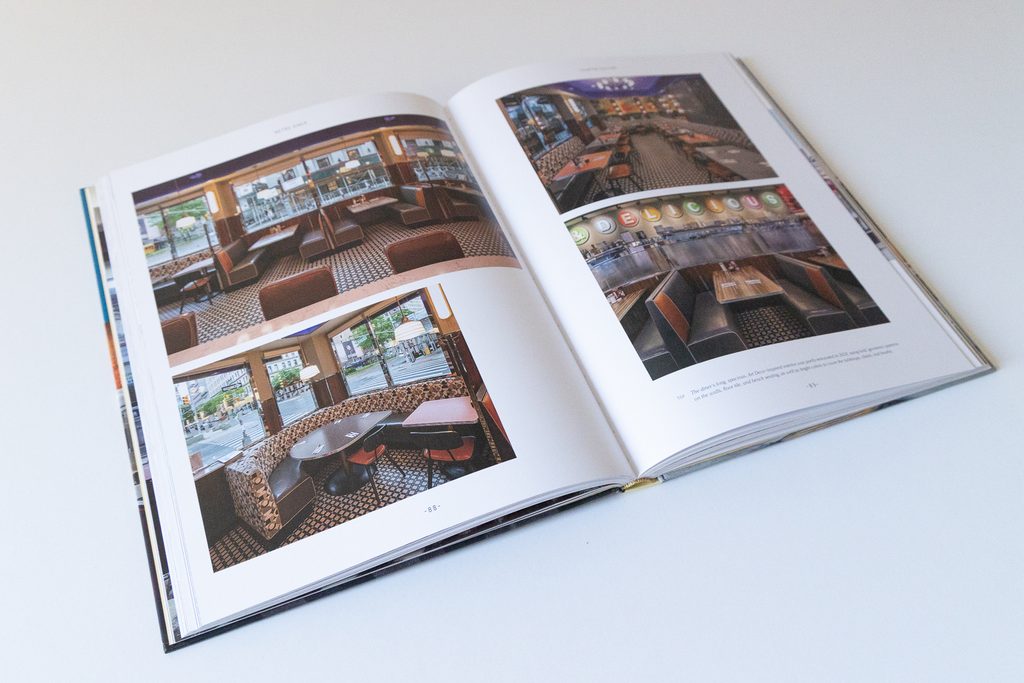
Credit: Emma Valbret.
Stories Behind The Frames
I was interested in knowing from the Murrays if there were any owners or stories that particularly stayed with them throughout this project. They told me that B&H Dairy Kosher Restaurant stood out for them, telling me “[it’s] not only the smallest of the diners and luncheonettes we included in our book but [it] has one of the biggest hearts”.
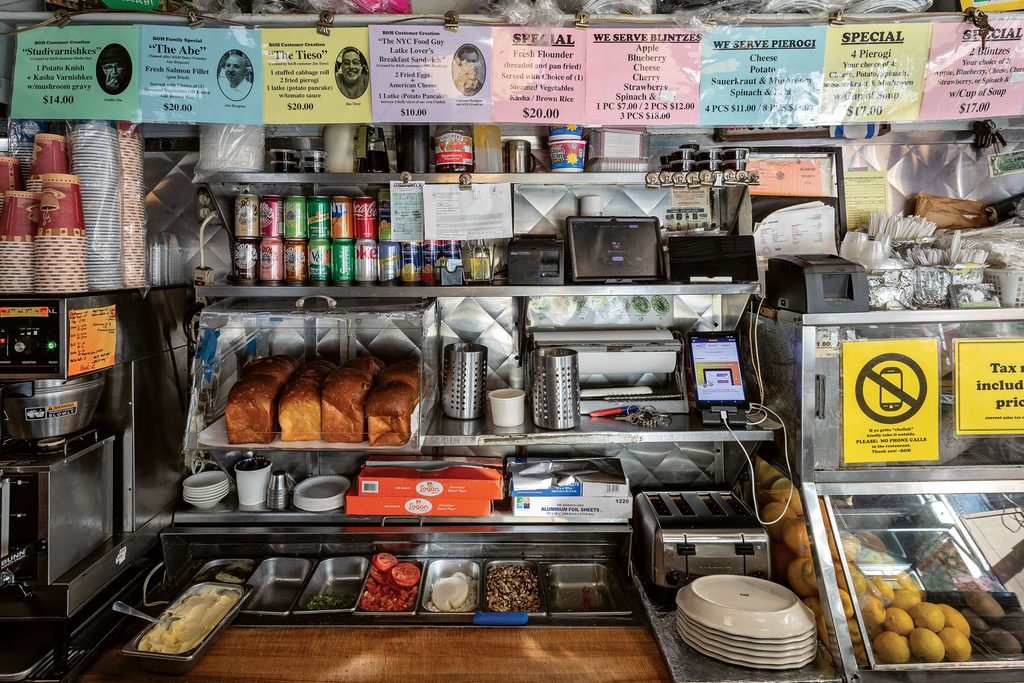
B&H Dairy Kosher Restaurant, 127 SecondAvenue, East Village © James T. & Karla L.Murray, 2026
They went on to explain the history, that B&H was founded as a kosher Jewish dairy lunch counter, before continuing: “Since the early 2000s, it’s been owned by Fawzy Abdelwahed, a Muslim Egyptian and his Polish wife, Ola. Neither is Jewish, but it is a very New York story that they’ve continued with the dairy restaurant menu and its certified kosher status, wanting to honor its roots”.
Today, it serves everyone, and has a long list of neighborhood regulars who sit at the counter stools and are often asked to pass hot plates of food behind them to the tables to use the space more efficiently. It’s a detail, but one that captures the sense of community that runs throughout the book.
The Photography
It has to be said that the photographs themselves are extremely aesthetically pleasing as standalone images. James and Karla’s experience as architectural and interior photographers really shines through in this series.
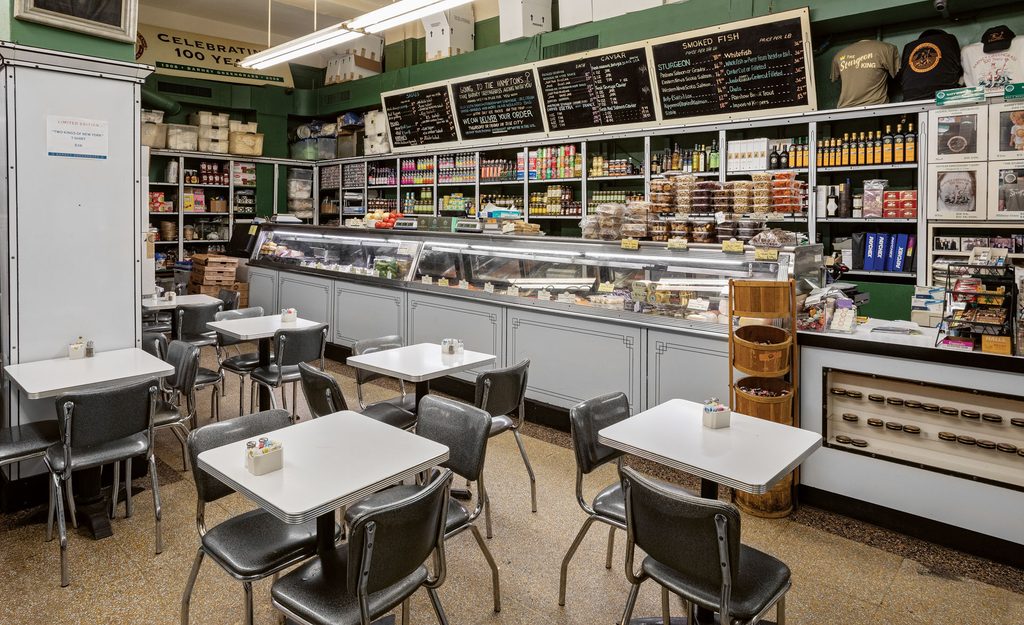
Barney Greengrass, 541 AmsterdamAvenue, Upper West Side © James T. & Karla L.Murray, 2026
Much like the photographs in Vinyl NYC, many of the frames are busy: seemingly endless piles of glasses are balanced behind counters, countless framed pictures cover every inch of the walls and menus hang down from the ceiling. However, the carefully considered compositions and use of sharp, logical lines create a satisfying sense of order and control amongst the busy visuals. To me, this contributes to why this book works so well, the images are beautiful alone and together.
Another element of the images that is well worth talking about is the lights. Classic neon signs immediately signal that you’re looking at a diner, and some of the restaurants featured, such as Waverly Diner, Cozy Soup ‘n’ Burger and Brooklyn Diner, embrace bright, colorful lights that seem to call out to passers-by, inviting them in for a bite to eat.
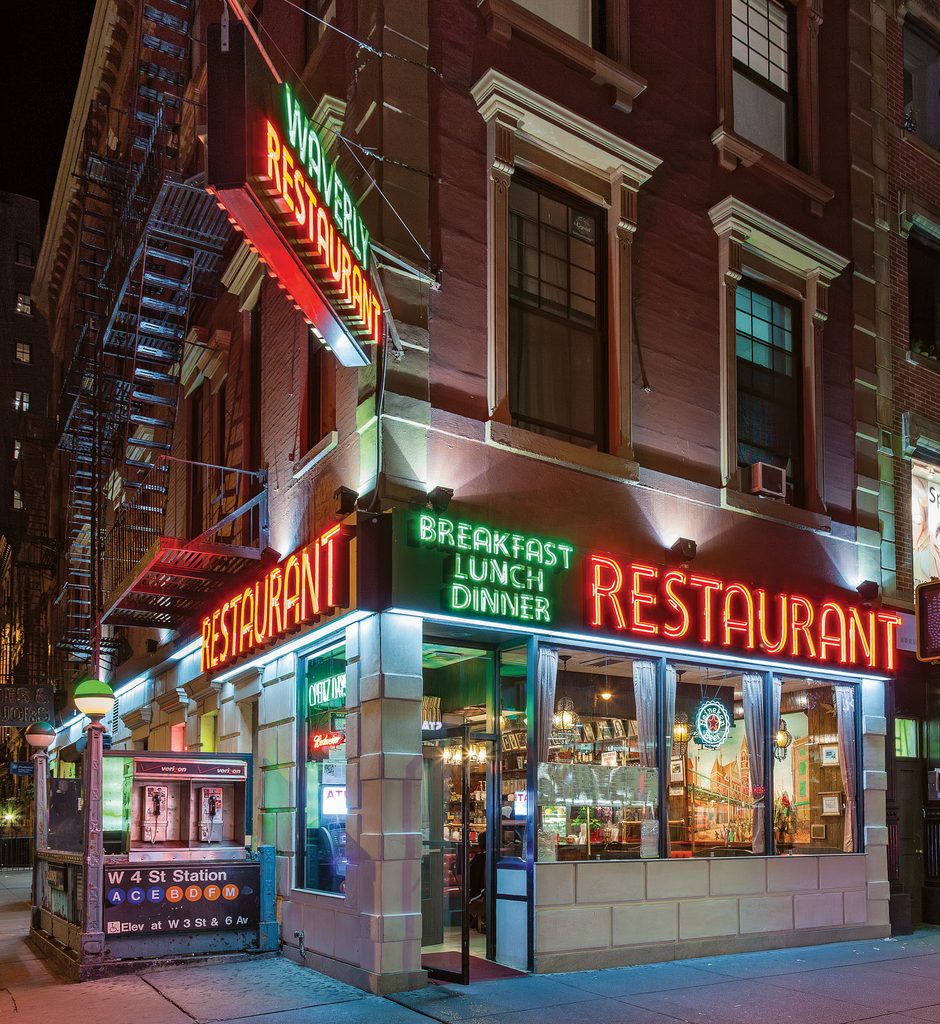
Waverly Diner, 385 Sixth Avenue, WestVillage © James T. & Karla L. Murray, 2026
But, much like the diversity of cultures and origins represented throughout the book, there are diners on the other side of the spectrum that opt for a more stripped-back appearance. For example, EJ’s Luncheonette and Hector’s Cafe & Diner show a more dialed back aesthetic while retaining the unmistakable charm and character of a diner.
Photographing Diners Without People
As you flip through the pages, you’ll notice that the vast majority of the images do not feature any people. “We made a conscious and creative decision early on in our project to mostly not include people in our photographs,” the Murrays told me.
The reason, they explained, was that “the main focus would be on the design and details of the establishments, not on the staff or customers. It also provided a way to capture the spaces in a timeless fashion as to not date the photographs”.
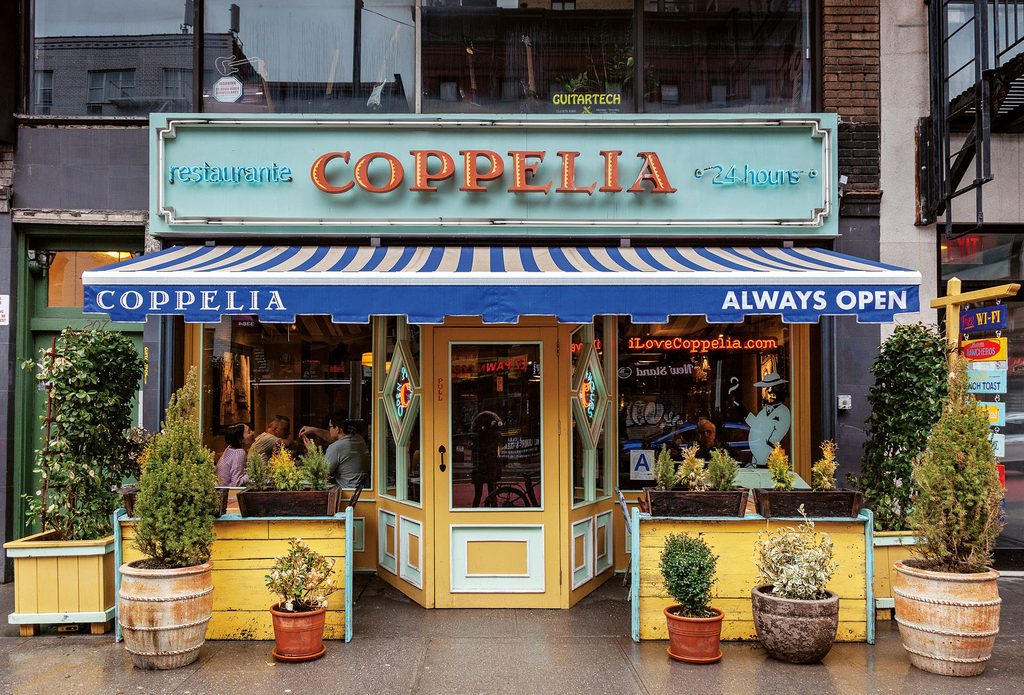
Coppelia (exterior), 207 West 14th Street,Chelsea © James T. & Karla L. Murray, 2026
Yet, even without anyone present, the warm colors, glowing neon lights and worn stools create an inviting atmosphere and a strong sense of human activity. The warm tones are similar to that of the photographers’ previous project, Great Bars of New York City, and most definitely exude the same welcoming feel.
Signing Off
James and Karla Murray, alongside journalist Emma Orlow, have created this book with such warmth and care that, by the end, I felt as though I had visited every diner featured.
They’ve taken the time to capture the history and individuality of each establishment, many of them passed down through generations. These are comfortable places to eat, chat, meet others and simply be. That makes the book engaging whether or not you have visited one of these diners.
Ultimately, it’s a thoughtful celebration of the places, people and stories that make New York’s diners so special.
Counter Culture: New York City’s Greatest Diners and Luncheonettes is available to purchase for $45 USD on Prestel Publishing. Buy here.
You can see more work by James and Karla Murray by visiting their website.
More reading: Photographer Shows You Kennedy Space Center Like You’ve Never Seen It Before