Happy Club: David J Shaw on the Jaywick Community Behind the Label

All images by David J Shaw. Used with permission.
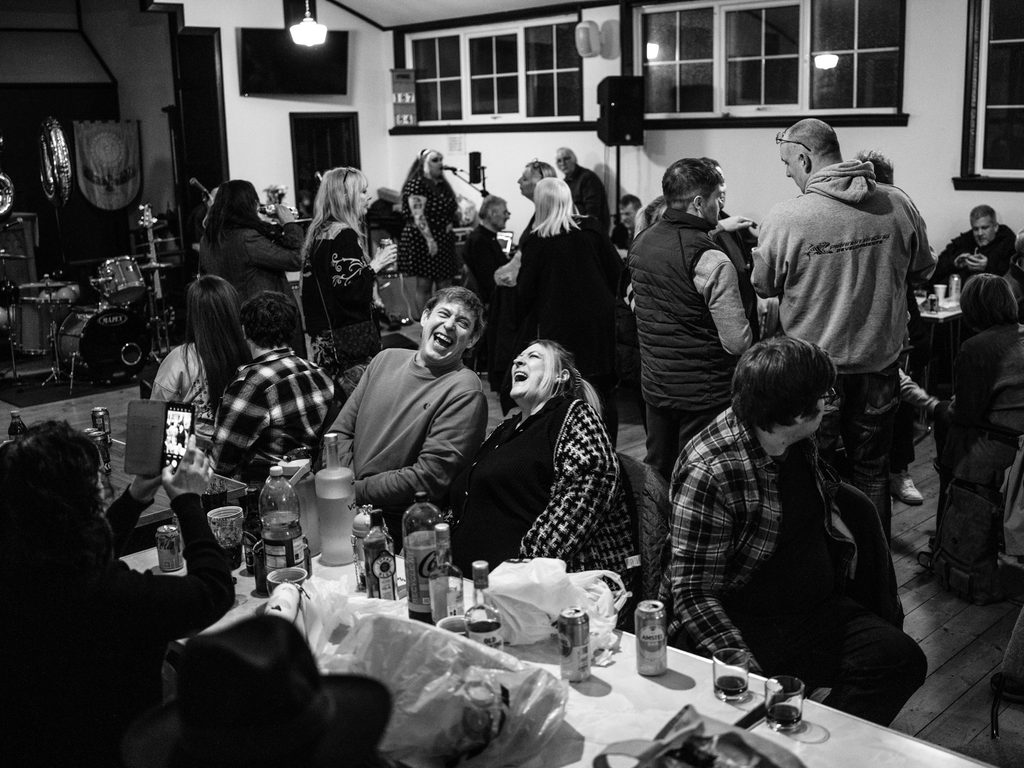
“You’ve just seen Dave walk in, he is a journalist, he is a Charlton fan, but don’t beat him up!”
That was the introduction David J Shaw got over the speakers the first night he carried his camera bag into the Broadway Club in Jaywick. By the end of the evening, he had a long list of invitations to photograph events, clubs, and people’s homes.
Nearly two years later, that night has become Happy Club, a photobook published by Dewi Lewis and now raising its printing funds on Kickstarter. When I spoke with Shaw, he made one thing clear: the book is about the people of Jaywick, not the label the place has been given.
A First Walk Into Jaywick
Shaw first walked to Jaywick in January 2025, simply to have a look. He knew two things about the place: Nigel Farage was its MP, and it carried the title of “England’s most deprived place.”
On that first visit, he met a man called Robbo on the street. Robbo told him not to believe what he read online. Jaywick, he said, had a great community, and the best place to see it was at one of his karaoke parties.
“A few days later, I took a deep breath and walked into the Broadway Club with a bag of camera gear,” Shaw told me.
Everyone he met that night was welcoming and keen to talk about Jaywick, a place they were proud of. Shaw knew he had a project. So he bought a van with a bed in it and began living in Jaywick three days a week, giving himself the time to get to know people properly.
Naming The Book Happy Club
The title comes from the Jaywick Sands Happy Club, a monthly meetup in a local church run by Danny Sloggett. Billed as a youth club for adults, the Happy Club is open to anyone who wants to come along.
Alongside the socializing, the club puts on events and runs an informal food bank. Members also talk through what could be better in Jaywick, and Danny takes those ideas to local councilors.
For Shaw, the name sums up the whole project. The club is DIY, community led, and run on a shoestring, and he sees the same spirit in plenty of other groups across Jaywick.
“In a place consistently looked down upon due to its reputation as being so deprived, a strong and supportive community spirit actually exists, which makes the place feel rich,” he says.
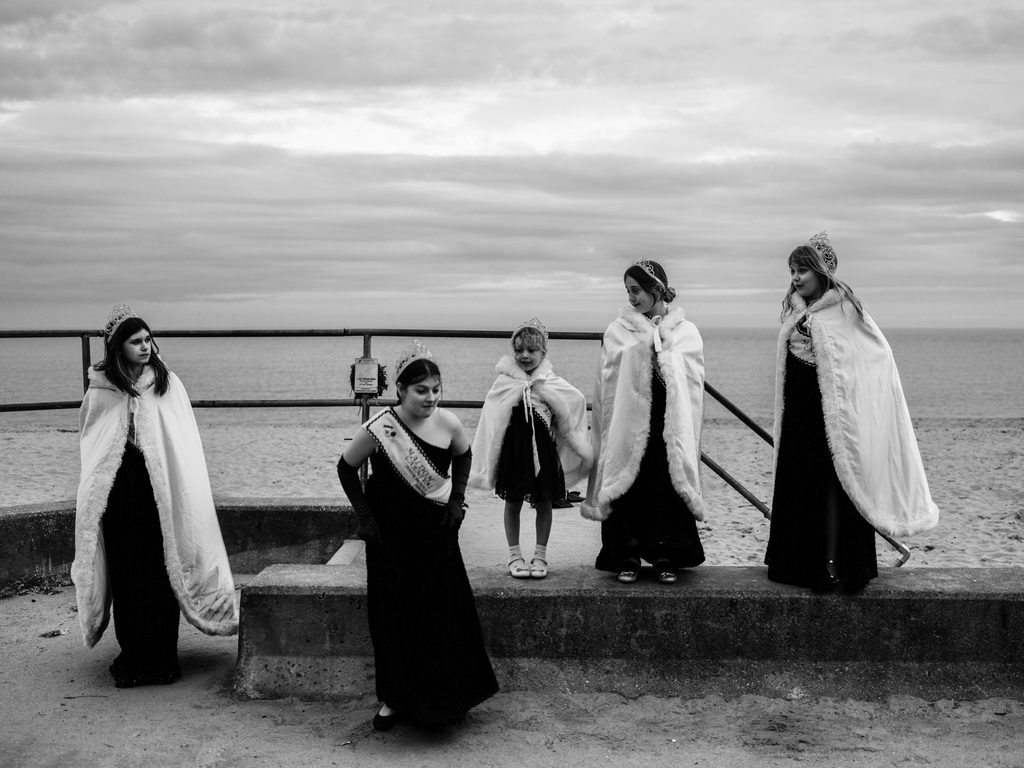
The carnival was the first to be held in Jaywick in 90 years, and was a celebration of pride in the village.
What Makes a Place Rich?
“I truly believe that community is a superpower,” Shaw says. In his experience, Jaywick doesn’t wait for someone from outside to arrive and fix things. People organize together, keep a busy social calendar, and run a steady stream of charity and support events.
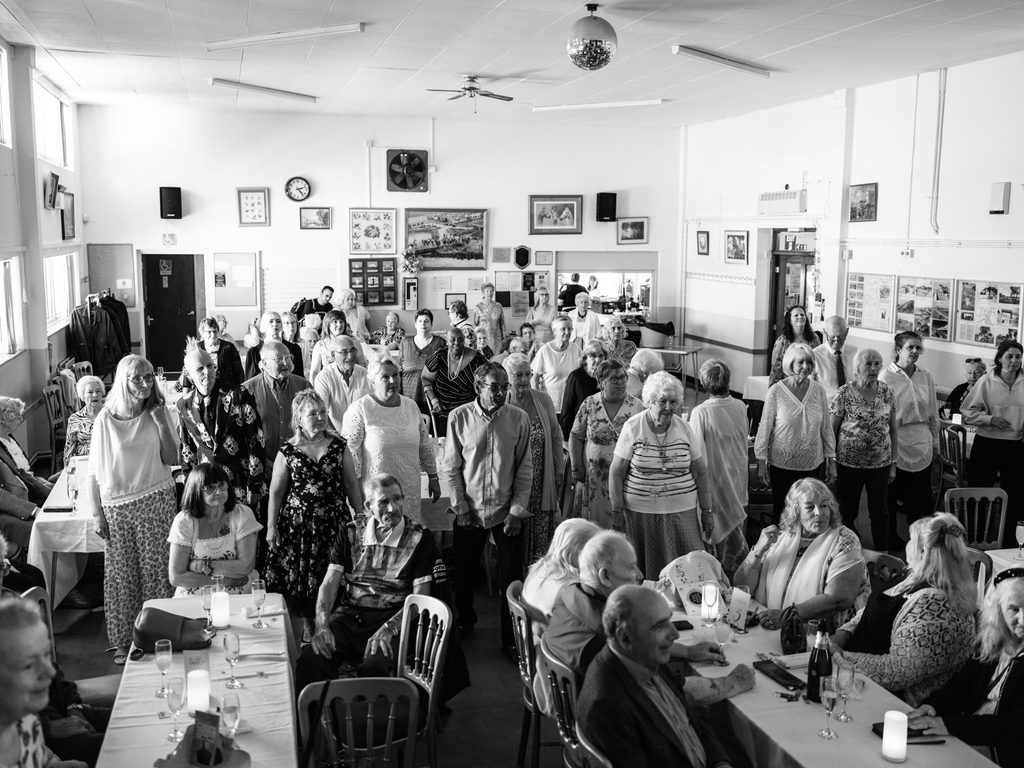
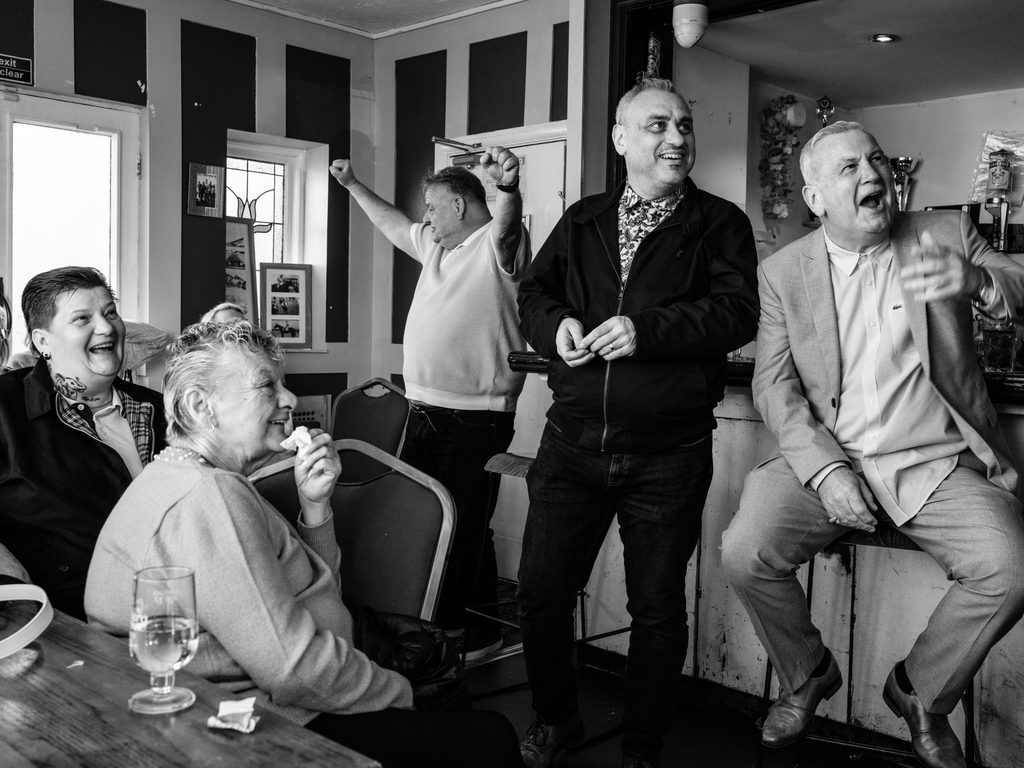
Looking through the pictures, what stayed with me was the range of people in them. Shaw moves from girls in tiaras and sashes on the seafront to older residents filling a function room under a disco ball.
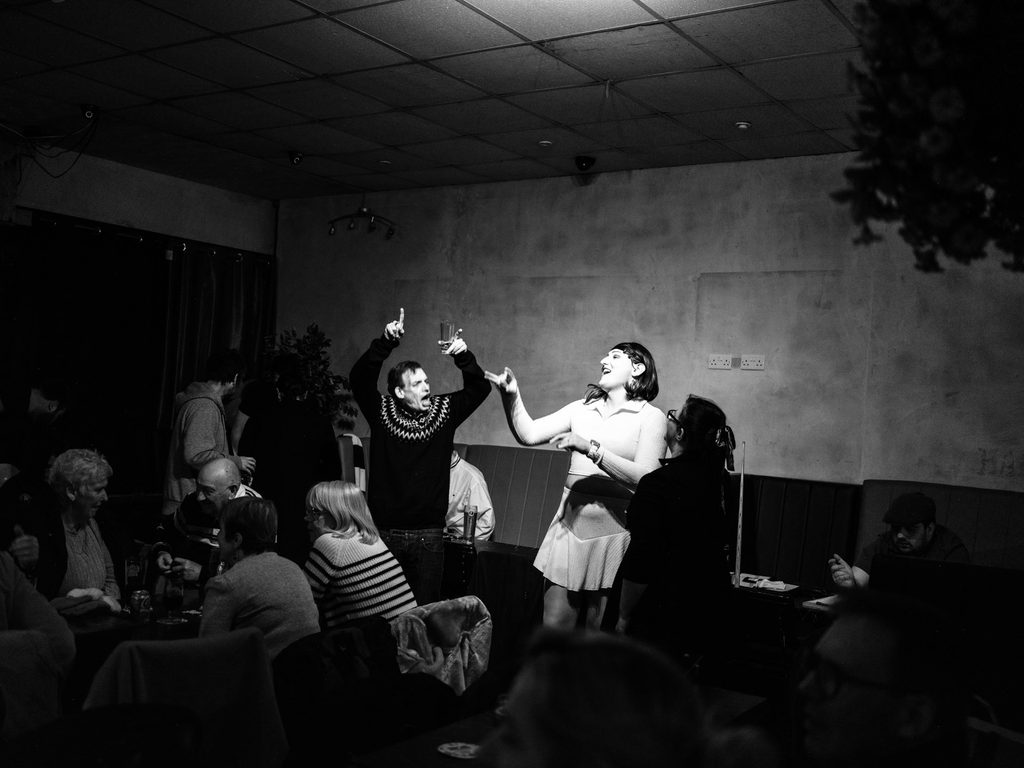
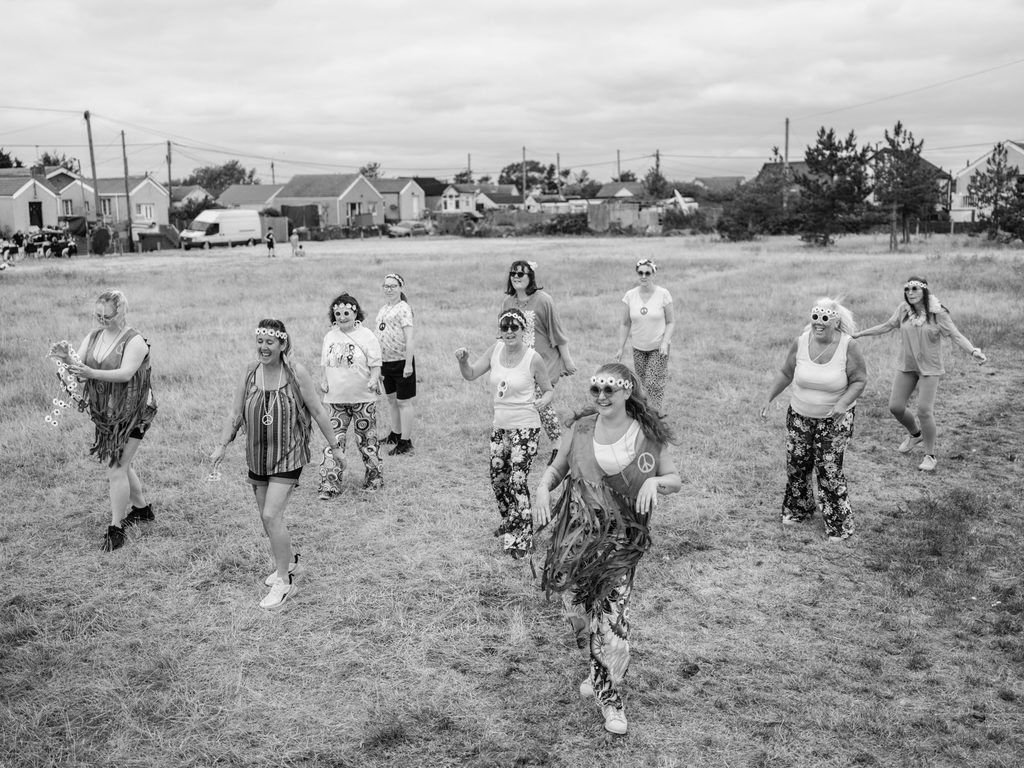
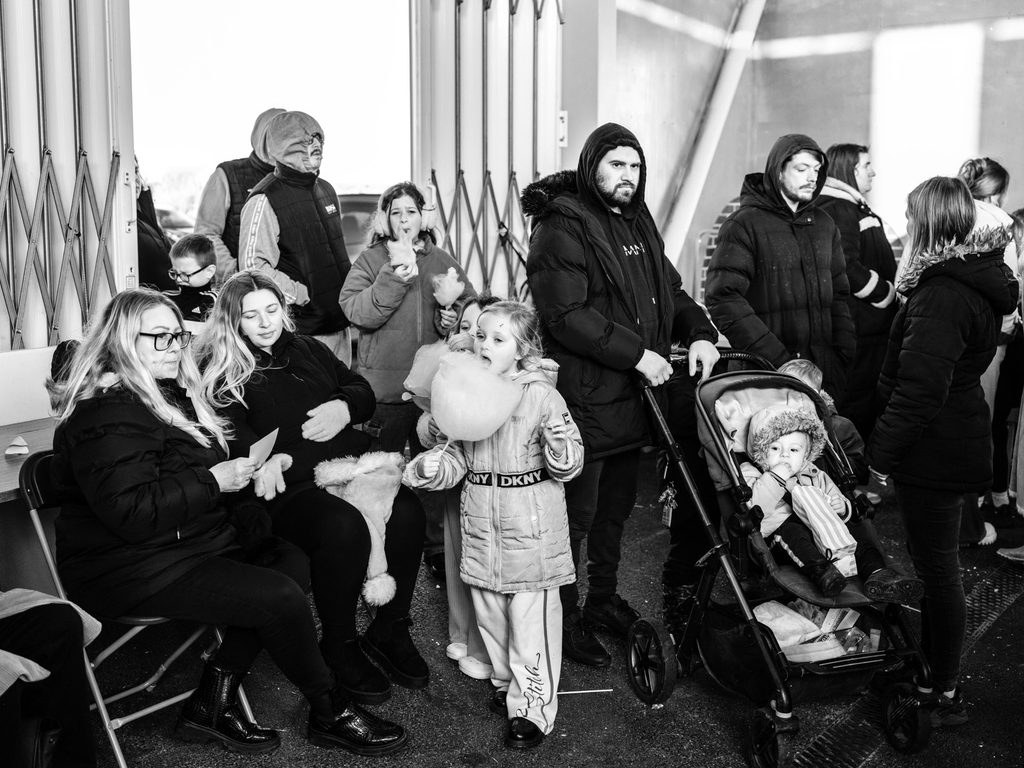
Elsewhere, there’s fancy-dress dancing on the green between the bungalows, and families in winter coats queuing for cotton candy. Jaywick, as Shaw shows it, belongs to every generation.
He hopes the book gets readers thinking about wealth and deprivation, and what really makes a place rich. One resident recently told Shaw they often wonder whether Jaywick would be so special without the deprivation title. His sense is that the label motivates the community to prove it wrong.
The project has also changed how he thinks about the stories told through pictures. Search for Jaywick on YouTube, he points out, and most videos lean on stereotypes, showing the place as rough and desperate, something to stare at.
Happy Club is his answer to that. Shaw wants the book to celebrate Jaywick as “the fun loving and sometimes complicated place that it is.”
The People Doing the Work
I asked Shaw whether anyone in particular stood out. He wouldn’t pick. “If I made a list about all the amazing people I have met there, it would take hours to read,” he says. To meet them all, you’ll need the book.
He did point to a few of the people and places that keep Jaywick moving. Danell Dreelan and the team at Sonny’s Army run a local charity supporting children in long-term hospital care. They also organize the carnival, the Miss Jaywick competition, community sports days, and a recent variety show.
Danell has also encouraged Kian Mills, a young local photographer Shaw describes as incredibly talented, who has just started college.
Then there’s the Never Say Die pub, run by Jaywick local Davina. The back room hosts markets, karaoke, weddings, funerals, exhibitions, and the Miss Jaywick competition. Shaw calls the pub “truly a community home.”
The Jaywick Community Resource Centre provides free meals and dance classes. The centre also runs a small, points-based grocery shop in an area with no supermarket. As Shaw puts it, many of the people improving Jaywick do so quietly, without fuss.
Showing the Work Back to Jaywick
About five months into the project, Shaw put on a work-in-progress exhibition at the Broadway Club, the same venue as that first karaoke night. Anyone could come along, share what they thought, and take a print off the wall to keep.
The feedback gave him a heap of new ideas. Shaw also saw the show as an exercise in trust and consent, since he was showing his version of the story to the people in the pictures while the work was still being made.
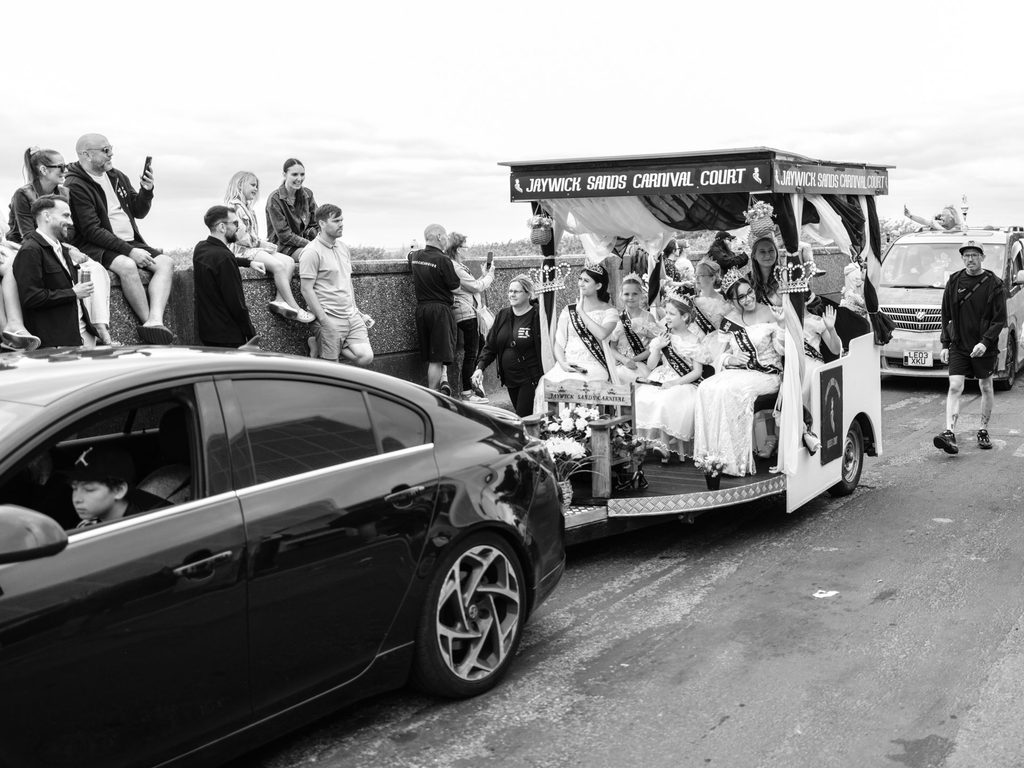
The 2026 carnival was the first to be held in Jaywick in 90 years, and was a celebration of pride in the village.
The positive response pushed him to work more closely with the community. With Shannon Ghannam and the Peter Marlow Foundation, Shaw helped run the Jaywick Youth Visual Storytelling Programme. Over a two-week workshop, a group of local young photographers made their own stories about Jaywick.
Their work was printed in a newspaper and handed out free around Jaywick. You can see the results here. Happy Club includes a section on the program, so the young photographers’ view of their home sits alongside Shaw’s own.
Inside the Book and How to Back It
Happy Club is published by Dewi Lewis, who bring more than 30 years of experience making photobooks, and printed at EBS in Italy. The book holds around 75 images, a section on the youth program, and text throughout with stories from the people of Jaywick and Shaw’s own experiences there.
Shaw plans to donate a share of the print run to Jaywick’s venues and social initiatives. Copies will also go to locals who want one but can’t afford it. “This book is for them, so I want to make sure they have access,” he says.
The Kickstarter is raising the printing funds through pre-sales, with around three weeks left at the time of writing. If this story speaks to you, back Happy Club on Kickstarter and help get the book to print.
You can see more from David J Shaw by visiting his website and Instagram.
More reading: Ed Eckstein’s Shelter Portraits: Faces of Survival and Resilience