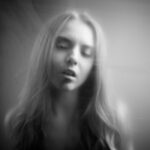

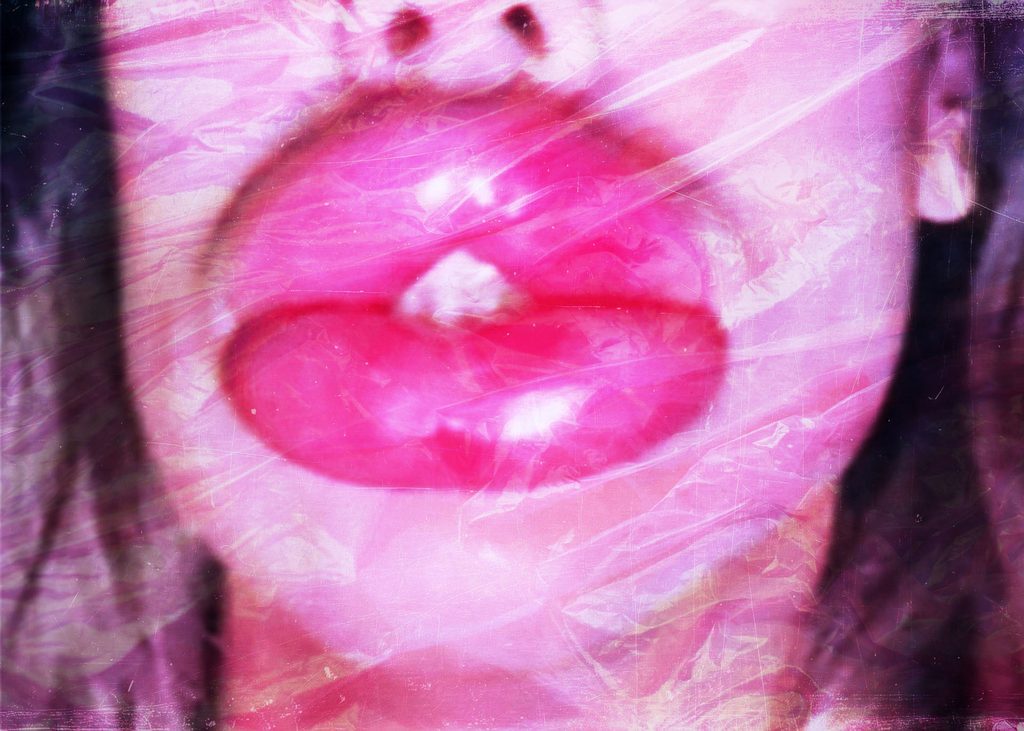
All images by Sandra Parra. Used with permission.
I discovered Sandra Parra’s work during a mid-afternoon peruse on Instagram. I was held in by the deep, rich reds that flooded her feed, and left with a wave of curiosity as I viewed portraits of subjects with exaggerated lips and overly saturated hair. I couldn’t stop scrolling.
And there are the vulvas. Decorated with pretty petals, they somehow evade Instagram’s often-biased policies toward censoring the female form. I was shocked, and realized sometimes a photographer needs to be shocking in order to get people to pay attention.
And then I asked myself: why should this be shocking at all? Which gets us to the inner workings of what Parra creates. She intelligently poses the questions: why do we think the things we think, and why do we react in certain ways when we see the things we see?
Getting that kind of critique across isn’t easy for a photographer. People bring their own interpretations, and a message can easily miss. Parra’s answer is to make work that’s impossible to ignore.
I caught up with her to learn more about her process and to ask how people are responding to work that pushes boundaries.
Editors note: Some images in this interview contain nudity.
Them Frames: A lot of your work focuses on how women are represented and seen in society – why is this type of work important to you, and where do you think the interest came from?
Sandra Parra: I think my interest in this work came, in part, from anger. I kept seeing women willingly step into the boxes society created for them, sometimes simply because there’s comfort in staying within an established idea of what a woman is supposed to be. What frustrated me was not only the existence of those boxes, but how readily some women seemed to accept them without questioning them, and how quickly women who challenged those expectations could be judged or rejected by other women.
I noticed some of those same contradictions within feminist movements as well. Even spaces that were created to question social norms could sometimes create their own categories and expectations about what a woman, or a feminist, should be. That made me think a lot about labels in general: who creates them, why we accept them, and how easily we can pick up a label that someone else created and put it onto ourselves.
I think what I was really looking for was authenticity. I became interested in what happens when we stop simply accepting the roles, labels, and expectations already prepared for us and start questioning whether they actually belong to us. A lot of my work comes from that tension between what we are told to be and who we actually are.
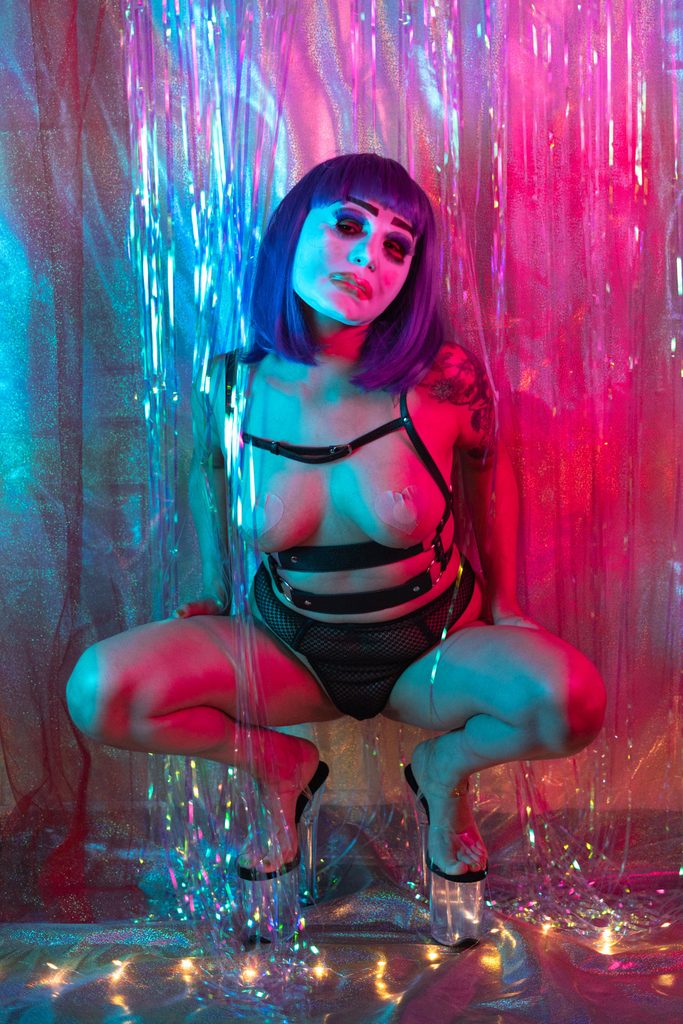
Them Frames: From the wigs to the face masks, some of the work feels slightly slapstick, perhaps poking fun at the idiocracy of certain social constructs – was this your intention? If yes, why?
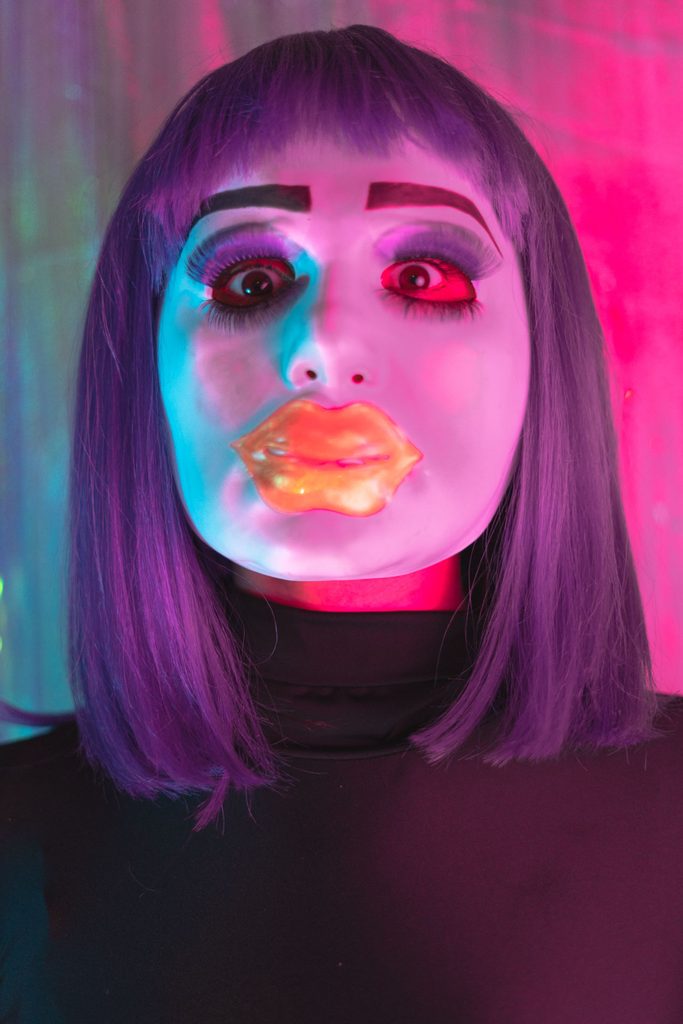
Sandra Parra: Yes, absolutely. Part of the intention was to make fun of it. I wanted to exaggerate things that are usually subtle or accepted as normal, because the more exaggerated the image becomes, the more obvious the original social construct becomes.
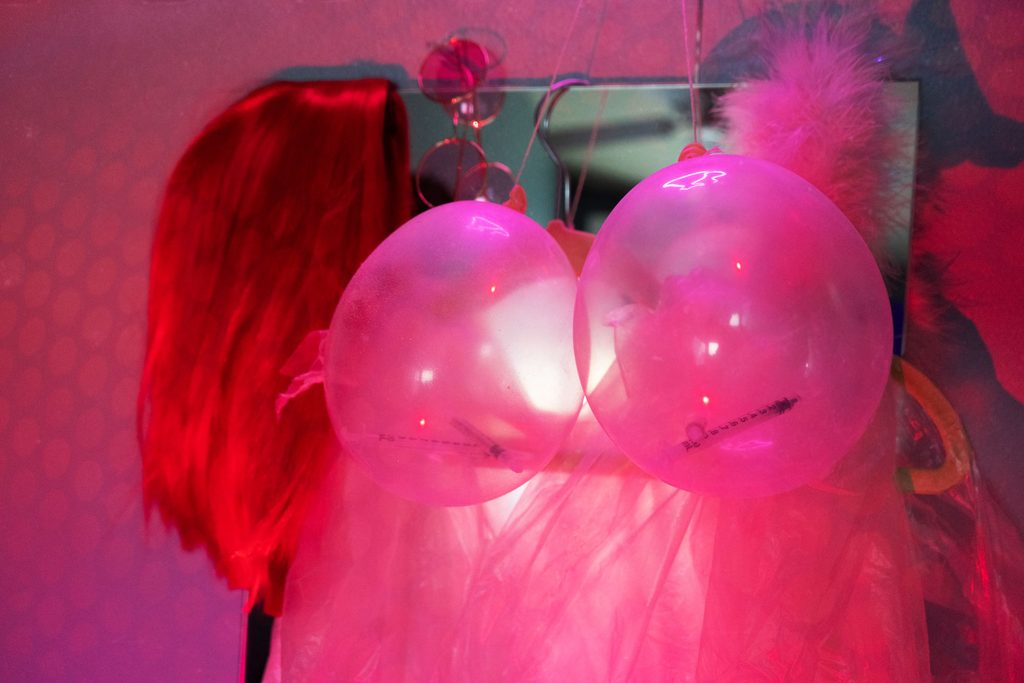
The wigs, masks, exaggerated makeup, and other elements became a way of doing that. I’m interested in how, once we start going through cosmetic procedures, heavy makeup, hair transformations, and all these different forms of modification, we can gradually start dissolving ourselves into a kind of plastic fantasy. At some point, you are no longer simply enhancing yourself. You are constructing another version of yourself.
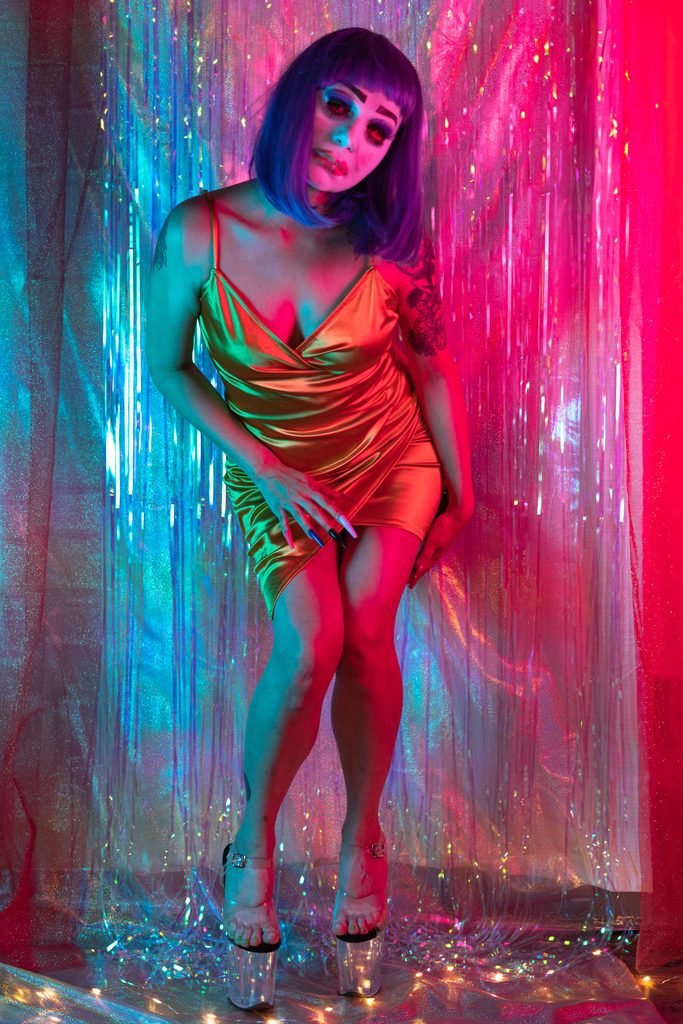
There is also a darker side to that transformation in my work. As I pushed these ideas further, I started seeing these transformations as little monstrosities. In Dolled-Up, for example, I actually used a Mike Myers mask. Once I put fake makeup, eyelashes, and other beauty elements onto it, I was genuinely shocked by the result. Something that was already unsettling suddenly became strangely feminine, almost glamorous, but also more grotesque.
That became interesting to me because it blurred the line between beauty and monstrosity. The mask made the transformation literal: you are concealing one identity while constructing another one on top of it. There is something funny about that, but also something disturbing. I think that tension is important to the work.
Them Frames: What tends to inspire ideas for what type of images you’ll shoot for your project work?
Sandra Parra: The inspiration comes from all over the place. I don’t really take inspiration from other photographers. It tends to come more from phrases in books, music, movies, songs, or even things I hear or come across in everyday life.
I think I’m constantly analyzing things. Sometimes to the point where it becomes exhausting. I can’t really switch that part of my brain off. A phrase, an image, a scene in a movie, a lyric, or even something completely ordinary can stay in my head and start connecting with other things. Eventually, those connections become an idea for a project or an image.
I don’t always know where an idea is going when it first appears. Sometimes I have to keep turning it over in my head, experimenting with objects, light, color, or the body until I understand what I’m actually trying to say.
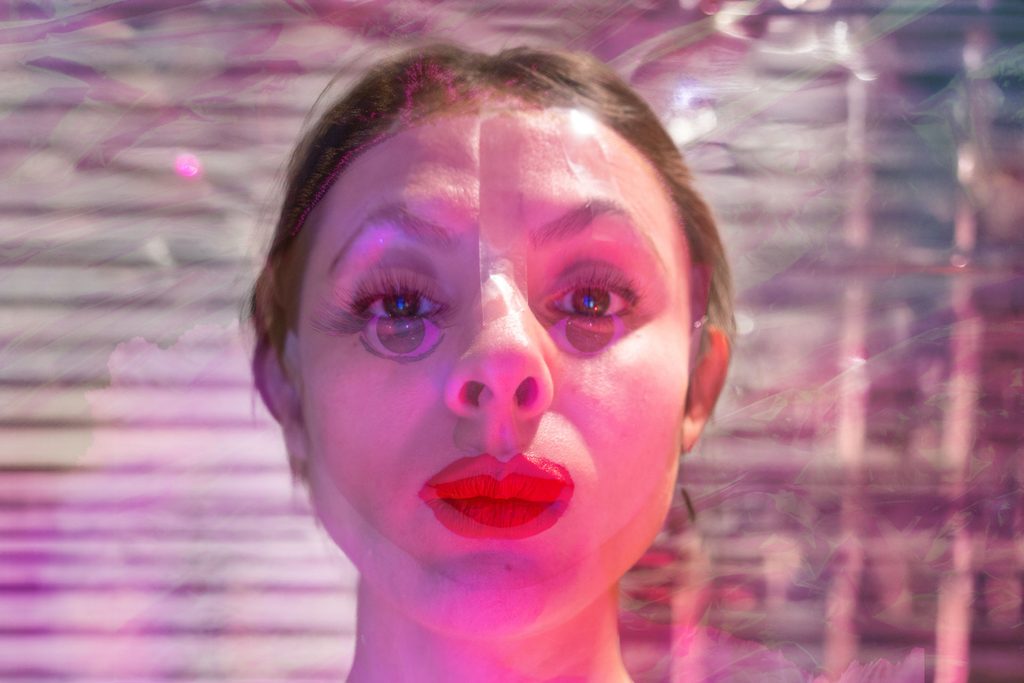
Them Frames: Some may consider Las Cosas Nostras to be quite graphic in comparison to other areas of your work – what was the creative choice behind this approach to the series?
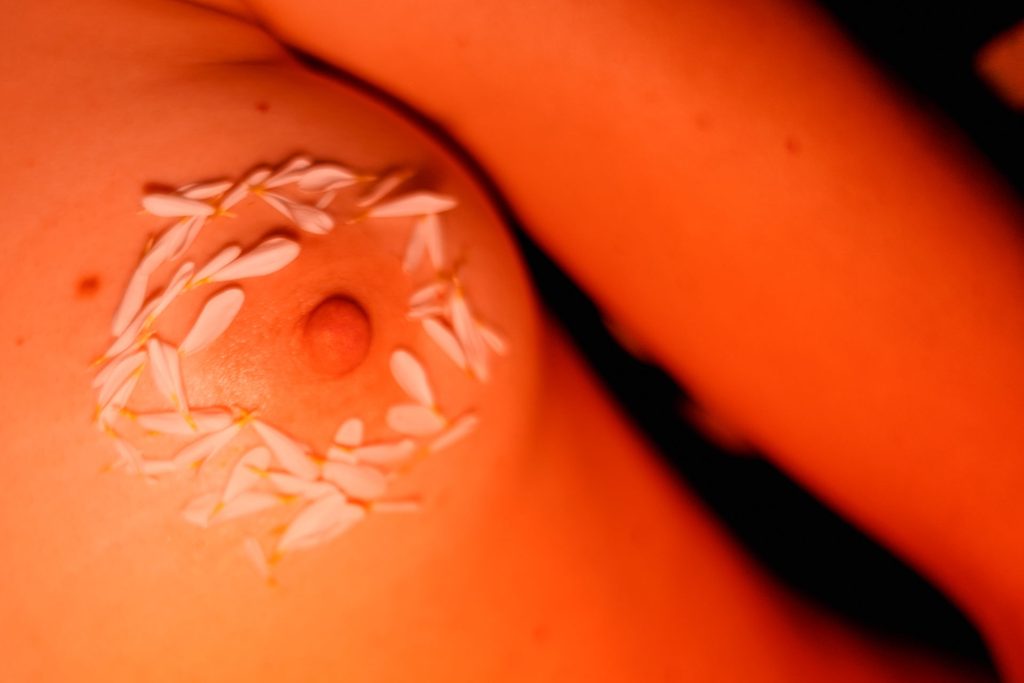
Sandra Parra: I hear a lot of both positive and negative reactions to vulvas, nipples, and the female body in general. They are still incredibly controversial, and I became interested in that contradiction: something so natural can still be treated as something that needs to be hidden, censored, or controlled.
The title of the project actually came from the Italian Mafia, La Cosa Nostra. I started noticing an unexpected number of similarities between the structure of organized crime and the way we treat certain parts of the female body. The idea started spinning in my head: what if vulvas and nipples were treated almost like organized crime? They have their own prohibited territory, their own rules about where they can and cannot appear, and a strange kind of exclusivity around them. They are constantly pushed into the shadows.
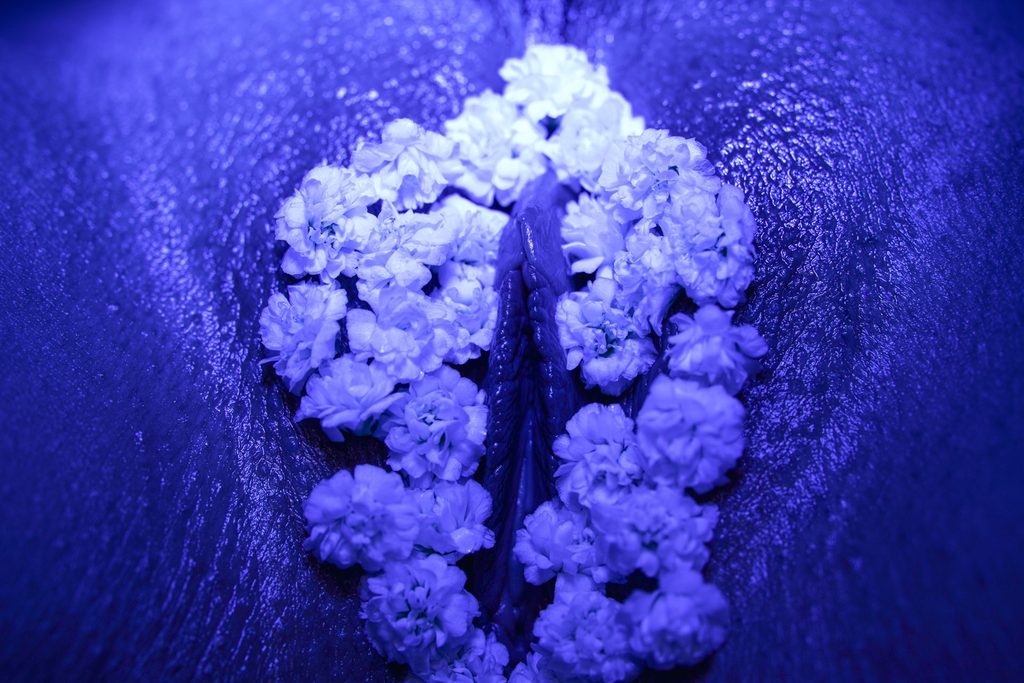
The word “cosa” also became interesting to me because the female body is so often reduced to a “thing,” something that can be owned, controlled, judged, desired, or hidden. Like La Cosa Nostra, the gonads operate from the shadows, yet they have an enormous amount of power over the individual.
So the graphic quality of the series was intentional. I wanted to take something that is usually censored or made uncomfortable and put it directly in front of the viewer. By making it explicit, I wanted to challenge that strange boundary between what is considered natural and what society has decided is obscene.
Them Frames: I really like the color themes that run through your work – how important is color to you and how do you design the palettes for your images?
Sandra Parra: Truth is, color has been part of me for as long as I can remember. I’ve always been drawn to things that sparkle, things that are colorful, artificial, and almost plastic. I think that naturally found its way into my photography. My palettes tend to be intense because I don’t really see color as something secondary to the image. I almost feel like I need color to communicate.
I often imagine my photographs as if they were taking place on a stage, in a concert or a theatre, with the subject standing under a set of colored lights. I love the way color can completely change how we experience something. The same face, body, or object can feel seductive, threatening, playful, artificial, intimate, or uncomfortable depending on the light surrounding it.
I don’t always choose a color because I want to create a specific emotion. Sometimes the color actually helps me discover what emotion the image has. It can lead me somewhere I wasn’t expecting and reveal something about the photograph that I hadn’t understood yet.
I’m also interested in how color can create a connection without necessarily needing an explanation. Sometimes a color can bring up a feeling or a memory before we even understand why. That is something I rely on quite instinctively when I work.
Pink appears frequently in my work, and although it is obviously associated with femininity, I don’t use it only for that reason. I also associate it with stage lights, performance, artificiality, and being placed under a spotlight. When I put a subject under intense colored light, I want the viewer to feel that they have been placed in that spotlight too. The color directs the eye and makes certain parts of the image impossible to ignore.
I don’t always design a palette in a completely conscious way before I begin. Sometimes it develops through experimenting with light, objects, makeup, and the space itself. I know I’ve found it when the colors start communicating in the way I want them to.
Them Frames: How do you hope your work is received, and what impact would you like it to have on communities and society?
Sandra Parra: I’m not sure I want to dictate how my work should be received, or what the viewer should take away from it. I think art should leave room for interpretation. The ideas behind my work come from my own experiences, observations, and questions, but once the work is out in the world, I don’t think the meaning belongs entirely to me anymore.
What I hope is that it makes people stop for a moment and think beyond the boundaries they have been given. I’m interested in questioning the labels and assumptions we inherit, rather than replacing them with another set of rules. I don’t want to tell someone what they should think. I’d rather give them something to question and allow them to arrive at their own interpretation.
If the work makes someone uncomfortable, curious, amused, confused, or even disagree with me, I think that can be valuable. For me, the impact is in that moment of questioning.
Them Frames: We love music here – if you could blend a piece of music or album to the 3 projects we’ve covered, what would it be and why?
Sandra Parra: There’s one song that, when I first heard it, I immediately thought about the way I had been thinking about these three projects: “BARBEE” by Green Velvet & Joeski. Even the title felt strangely appropriate.
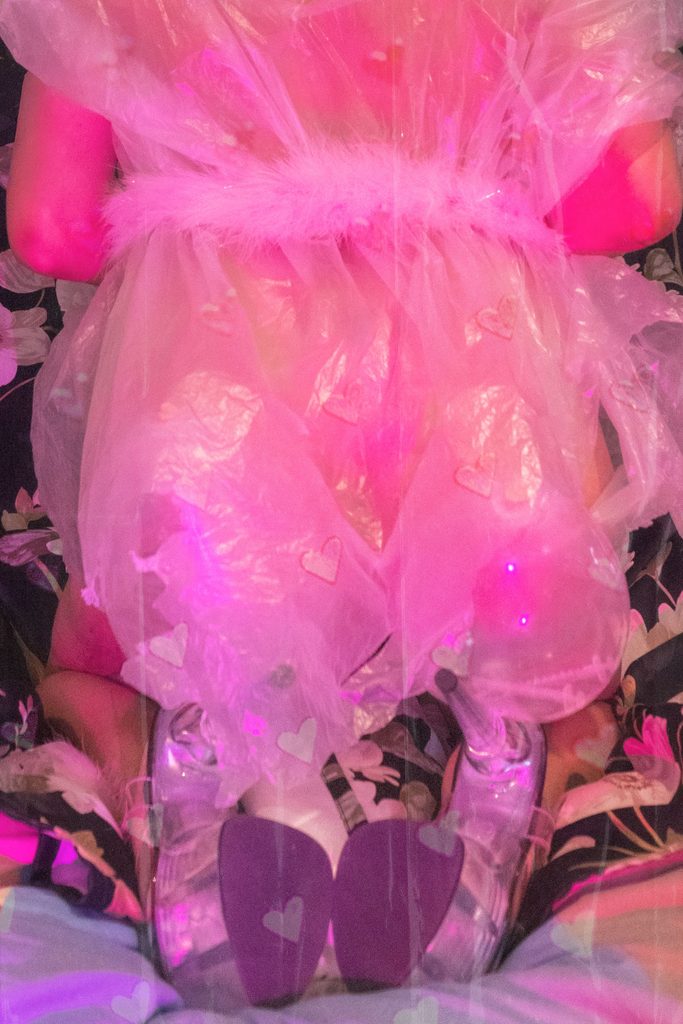
I have to confess that I loved Barbies growing up. I was fascinated by their silhouette and by this strangely perfect, almost surreal version of the female body. At the time, I simply admired them.
As I got older, that fascination turned into a question: why did I find that body so beautiful? Was it the perfection of it? The fact that it was completely unrealistic? Or was it because I had already learned to associate that silhouette with what a woman was supposed to look like?
That question stayed with me, and I think it connects strongly to the three projects we’ve talked about. There is something almost absurd about the idea of constructing an ideal version of femininity and then trying to reproduce it on a real body. “BARBEE” has that same sense of exaggeration, artificiality, and satire that I find interesting in my work.
You can see more work from Sandra Parra by visiting her website and Instagram.
More reading: Arteh Odjidja Explains Why the Last Shot Is Often the Best Shot