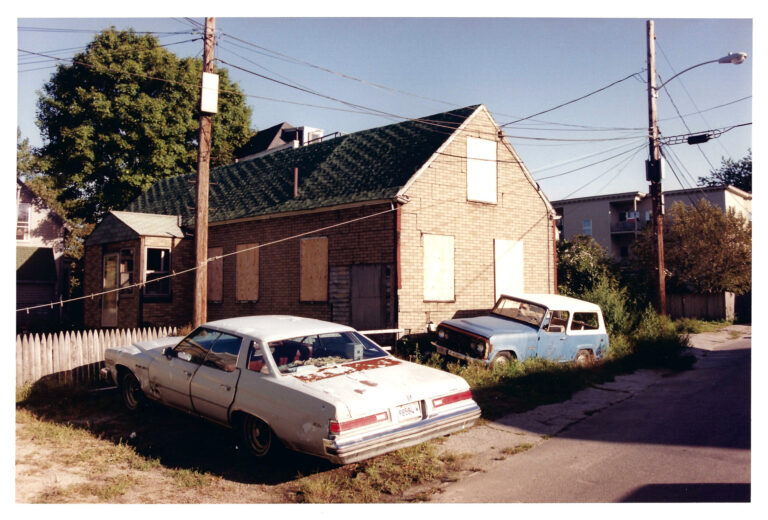

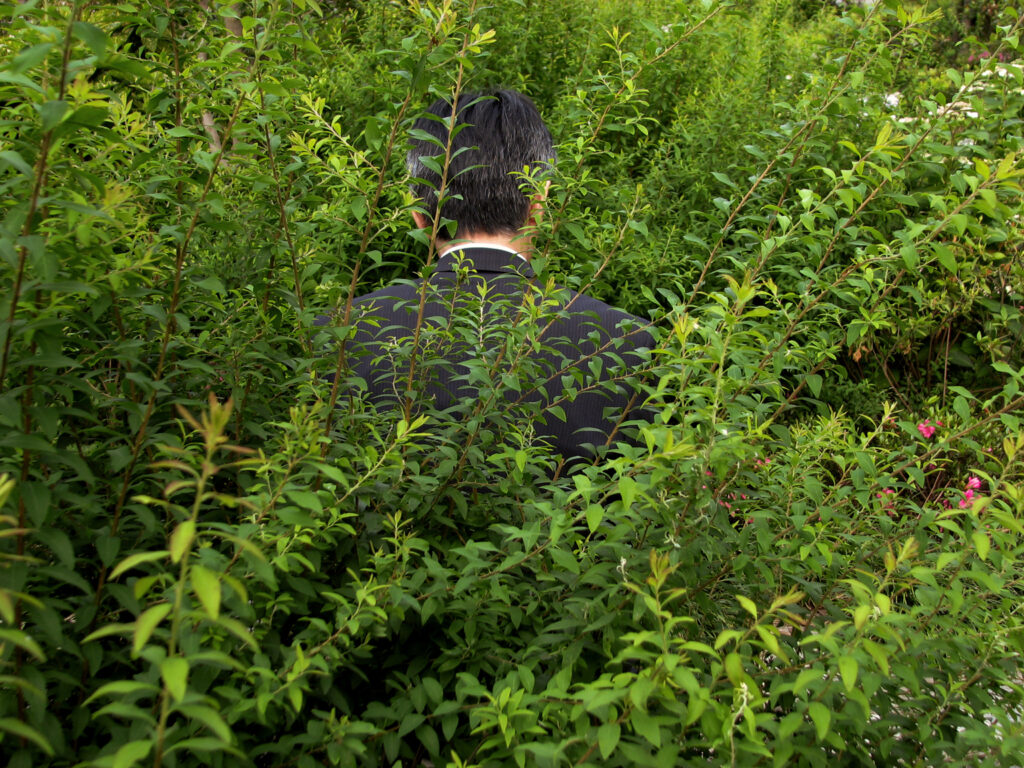
Photo by Bruno Quinquet.
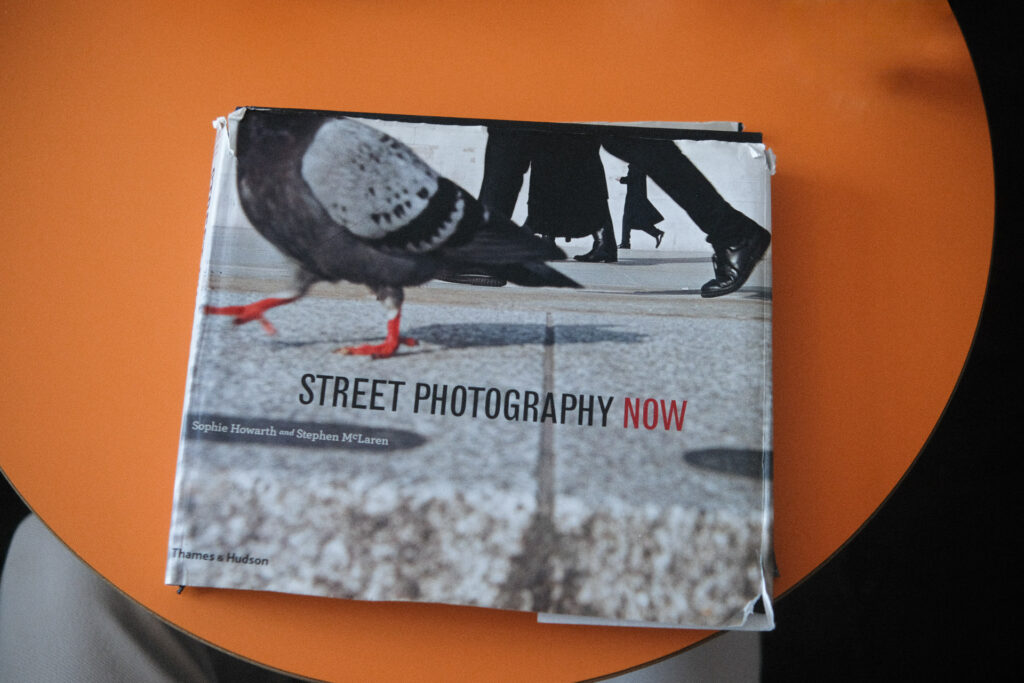
It has become a tradition in my life to spend my Saturday mornings at my favorite coffee shop. The shop is my favorite for two reasons: it makes the best coffee and it also has lots of photo books you can browse during your visit. On this visit in particular, as I slowly sipped my usual Americano (now decaf) I took a good gander at a classic, Street Photography Now. It was here I discovered a series that broke one of the core rules of the practice.
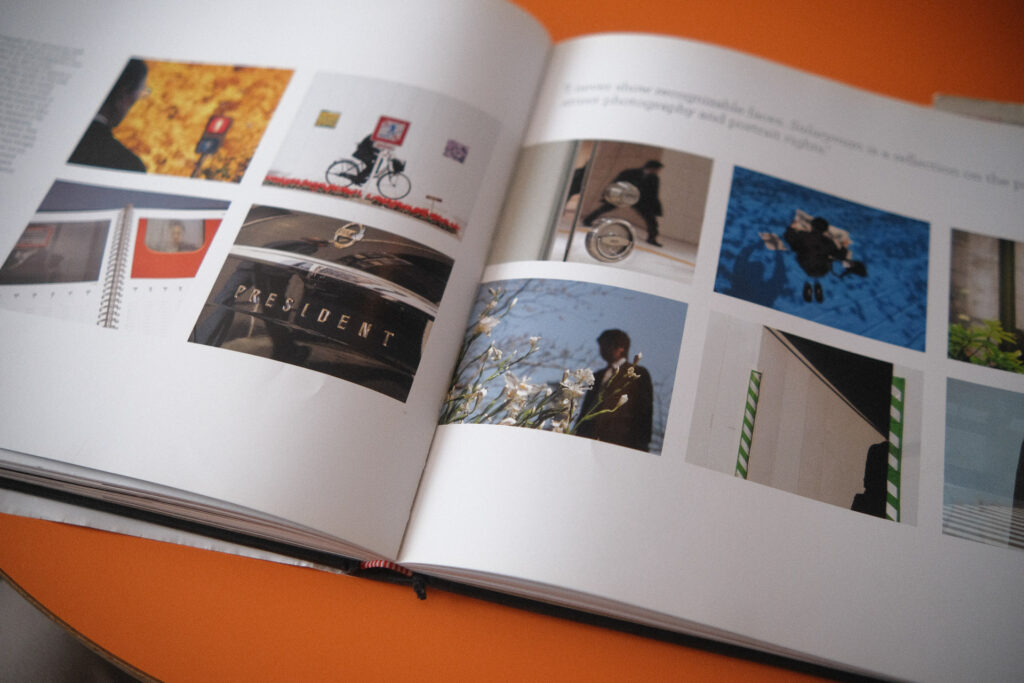
Salaryman is a project by French born photographer, Bruno Quinquet. Now based in Tokyo, Japan, the idea for the project was sparked by a chance encounter in 2006.
Out hiking, Quinquet saw a man in a full suit, carrying a briefcase, walking a mountain trail in Kawaguchiko near Mount Fuji. This planted the seed to create a street photography project and explore Tokyo’s corporate culture. He shot it for eight years, taking the last frames in 2014, and self published the work as a business agenda for 2013, 2014 and 2015.
Browsing the images in the book, I noticed a striking pattern; none of the subjects have their faces showing. This isn’t an accident, but rather by design. In his entry in Street Photography Now, Quinquet said, “I never show recognizable faces. Salaryman is a reflection on the problem of candid street photography and portrait rights.”
Street Photography Now
There are several things you’re taught in photography, and amongst them is to not hide the face of your subject. The face is where a frame holds its emotion. It’s the face that tends to tell the story, and the convention says that images shot from behind, or with the face obstructed, are the ones that get left on the cutting room floor.
Quinquet broke that rule. And, yet, everything about this series is full of emotion and gaze-holding frames.
I got in touch to ask whether the choice ever became more than a legal workaround. “The initial reason for hiding the faces was simply to protect people’s privacy,” he told me. “But very soon, I realised that it had two consequences.”
“On the one hand, anonymity brought a sense of mystery and poetry into the supposedly boring corporate world. On the other hand, it opened the door to self identification, which fitted my introverted self perfectly.”
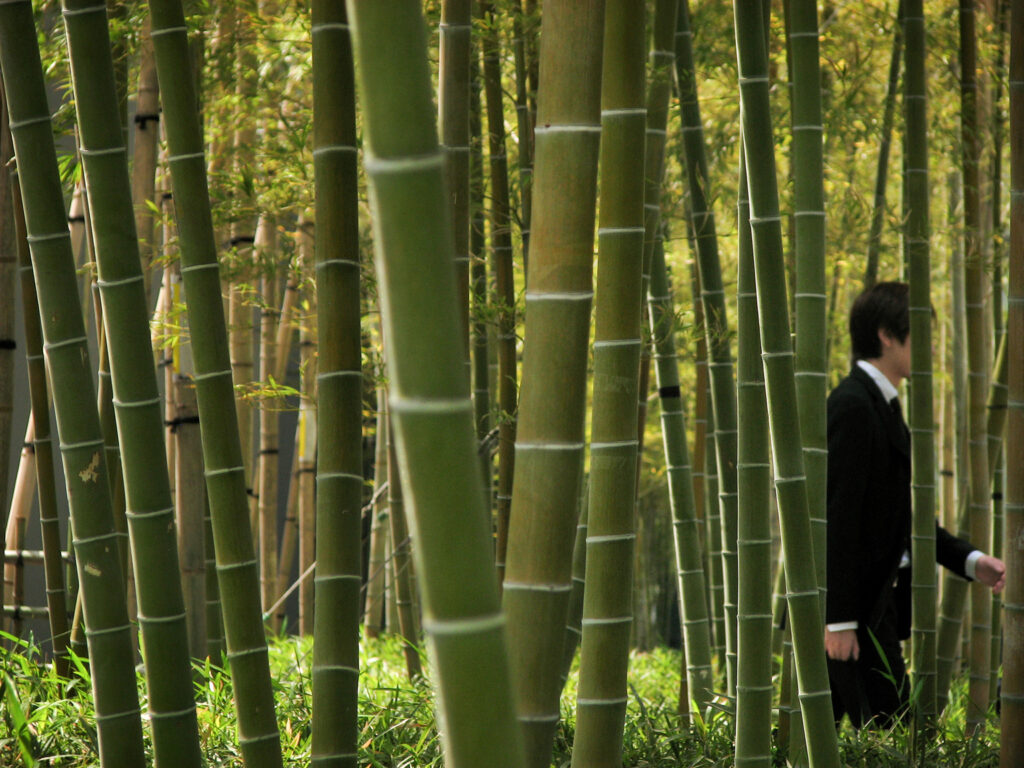
Photo by Bruno Quinquet.
Self identification is the part that stayed with me. Take the face away and the viewer has nowhere to stand except inside the suit, which turns out to be the whole subject.
Japan is known for a punishing corporate culture, one where the working day bleeds into a working night. Photos of business people sleeping outside their office, and inside it, aren’t as uncommon as they should be.
When all we are is our job, we, as a result, become faceless. We are simply a cog in the corporate wheel, dispensable, a stat on a spreadsheet, stripped of our humanity. We are not lovers or creators, we’re not complex creatures or innovators, we’re just a small piece of a grander jigsaw puzzle, slowly losing our identities, our emotions.
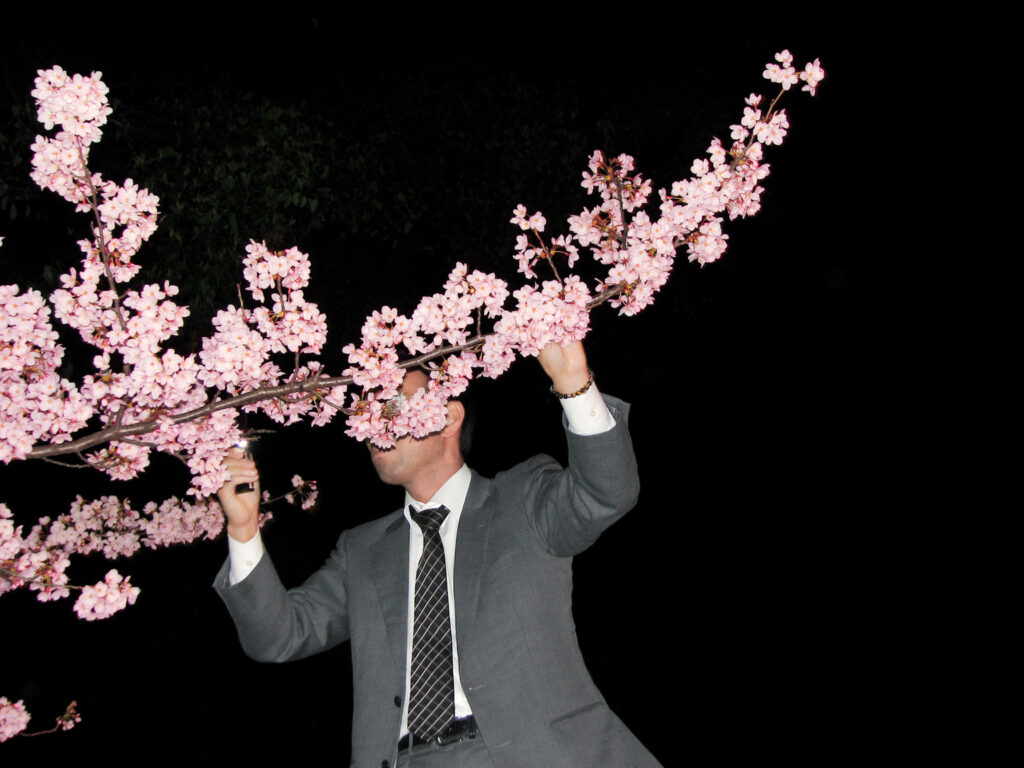
Photo by Bruno Quinquet.
That’s what makes the choice land. Had Quinquet shot these men face-on, the way we’re all taught to, he’d have made competent portraits of individuals. By taking the faces away, he photographed the condition instead.
What Salaryman also tells is the story of our desire to return to our basic human needs. A suited man photographing flowers, another leaning in to smell the leaves. Even when a corporate capitalist world shapes the modern mind, the longing for the simple things never fully fades.
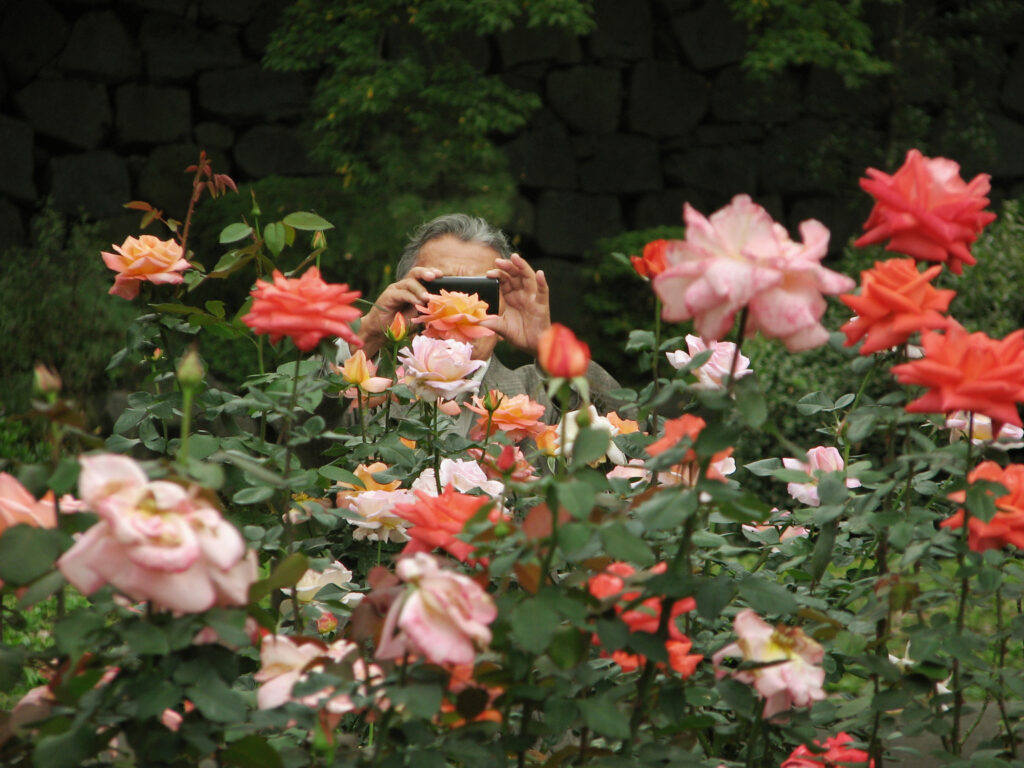
Photo by Bruno Quinquet.
So the project ends up being a reminder that rules are there to be broken, and not for the sake of it. The fundamentals are handed down to us for good reason, but follow them too closely and the work comes out generic, lost in a sea of similarity. Break the right one, and you find the thing you were actually trying to say.
Quinquet is modest about how he got there. He was a beginner when he started, and told me there were stretches where he fought his own habits and stretches where he simply let go. “Now, more than ten years after completing it, I feel at peace with the project, and even grateful that I happened to bump into this idea.”
Street Photography Now is full of top-tier street photography by some of the world’s best photographers. It’s what critics would refer to as a “page turner”. However, it was that one photographer, who refused to go by tradition, that stopped me in my tracks.
You can see more work from Bruno Quinquet by visiting his website and Instagram.
More reading: Rafaelle Lorgeril’s First Artbook Offers a Fresh Approach