
All images by Ed Eckstein. Used with permission.
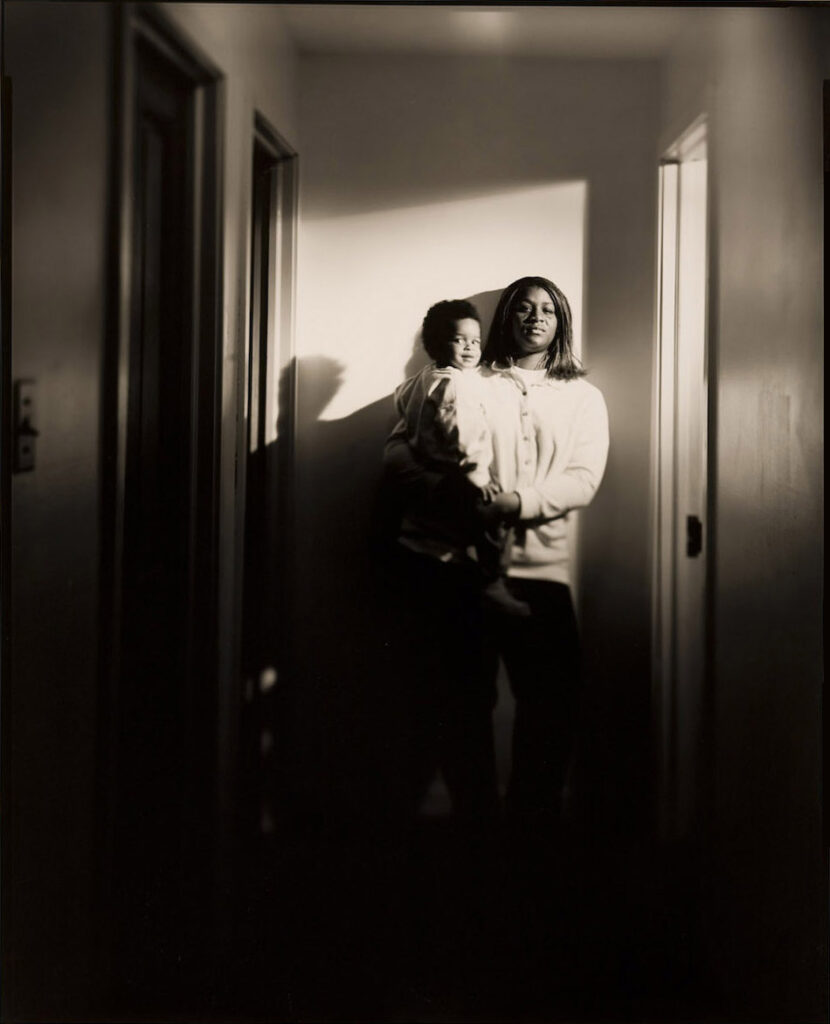
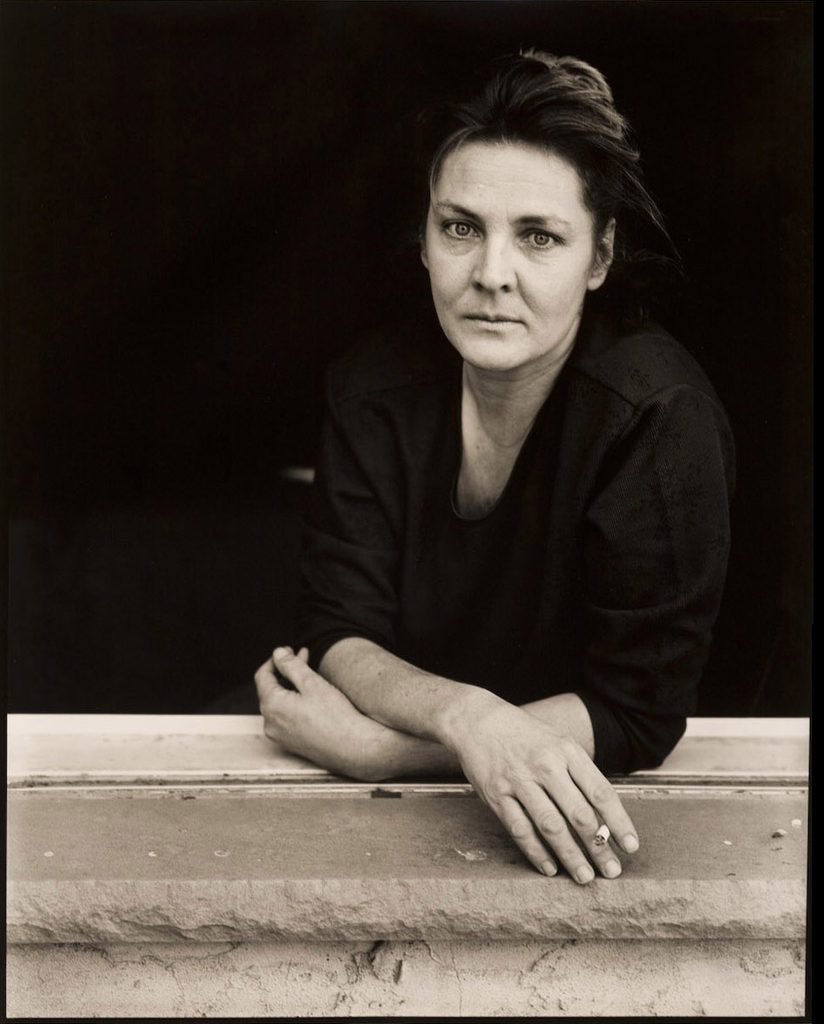
Taking a portrait means being invited into a person’s private space. This is a tender connection, one a photographer must handle with delicate care. That care matters even more when the subject comes from a vulnerable position, as in Ed Eckstein’s 2002 project Shelter Portraits, where his subjects were seeking safety from domestic abuse.
Eckstein’s career dates back to the sixties. From the Ku Klux Klan to those who push back on Trumpism, he’s no stranger to documenting society’s most difficult conversations.
His Shelter Portraits series, however, is the one that stood out to me most. The James A. Michener Museum in Doylestown, PA, commissioned the project to honor and celebrate A Woman’s Place, a nationally acclaimed local organization that works on behalf of abused women and children.
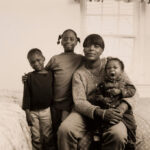
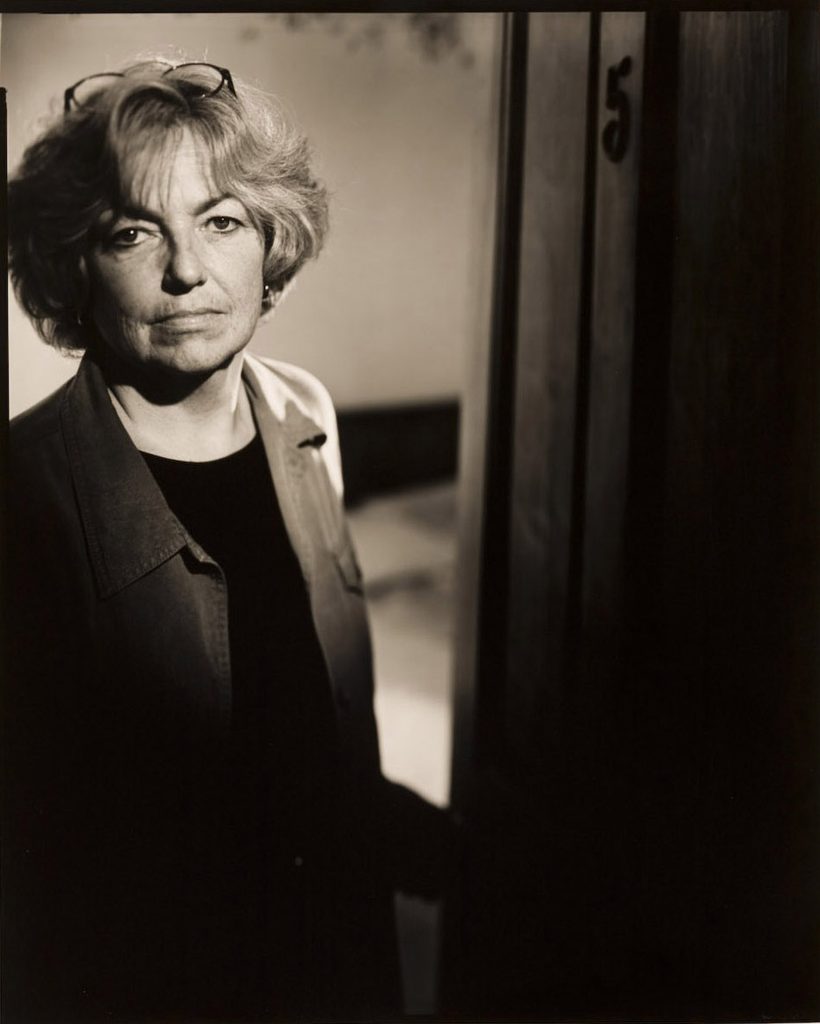
The result is a collection of beautiful black and white frames. They show determination as much as the worn wounds of women who suffered at the hands of their abusers.
I describe them as beautiful because I believe Eckstein, along with the openness of his subjects, created images that show strength and hope, with the subject often somewhat symbolically walking into their light and out of darkness. But the stories behind them are anything but.
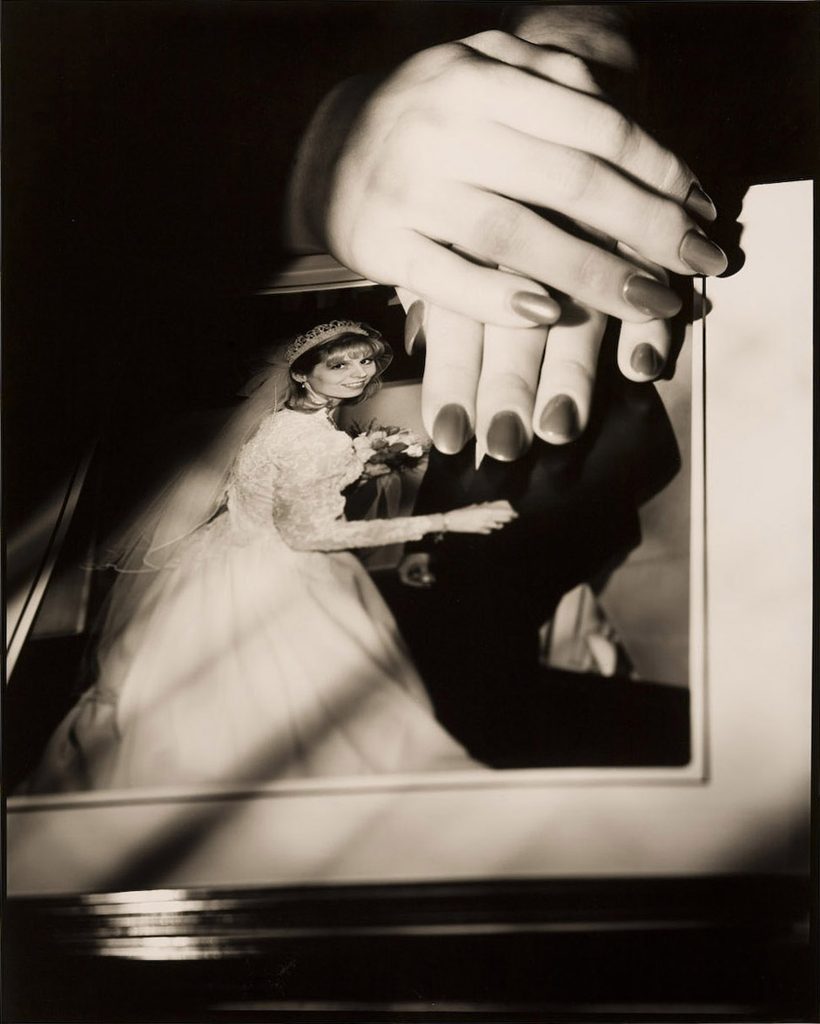
Eckstein recalled the story of one woman in particular. “My strongest memory is of a woman who was savagely attacked and beaten with a hammer by her ex-husband,” he told me. “She always carries her wedding album. She opens it for you to see, holding her hands over his face.”
Earning Trust With an 8×10 Camera
Gaining trust is key to important work. Trust is understandably hard to earn from people who were betrayed by those closest to them. Eckstein was upfront about his intentions. “I explained to the women that my interest was to show the faces of survival and resilience,” he said.
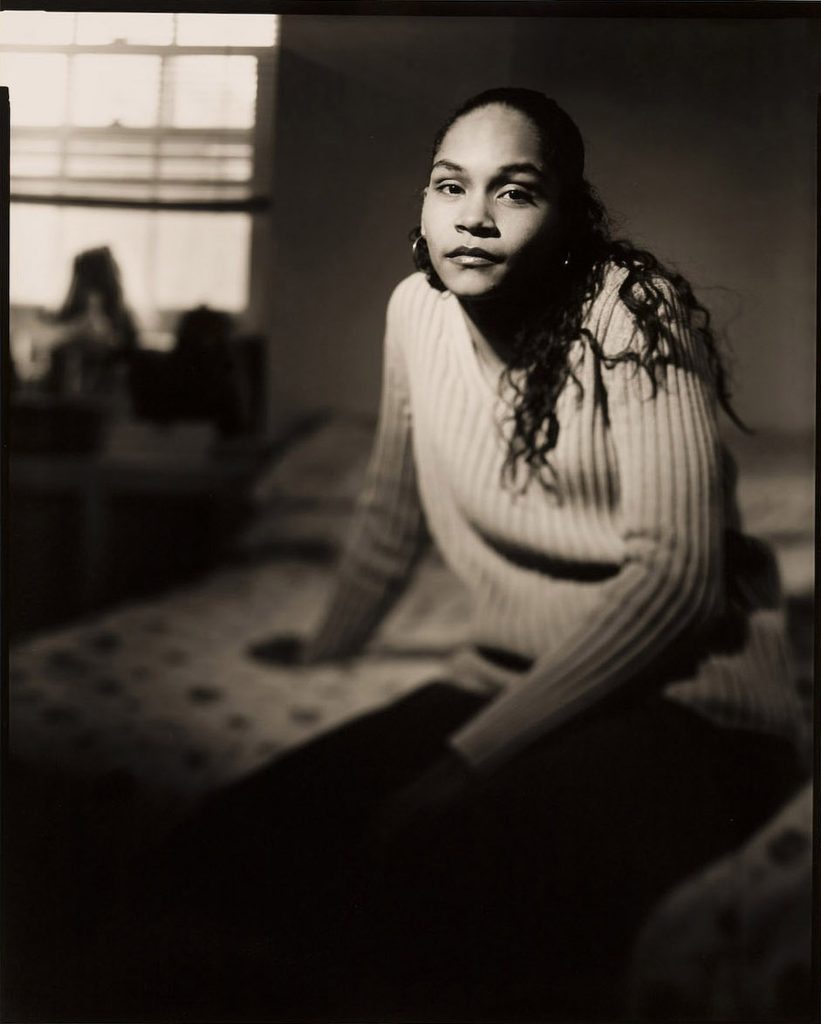
He also made a deliberate choice to shoot the portraits on an 8×10 view camera. “My feeling was that I wanted these women to feel special and important,” he added. “When one sits in front of that camera, I feel you get a response and look that I find difficult to get with smaller format equipment.”
Listening to Their Stories
While making the portraits, Eckstein took time to listen to the women’s stories. I was curious how hearing such harrowing accounts affected him at the time. His thoughts turned to those who never made it out. “Thinking of domestic abuse, these women were able to get out of very bad situations and be saved,” he explained. “One has to wonder of all the women who can’t escape that trauma.”
When the series was published, Eckstein shared a moving take on the work. “These photographs are flawed,” he wrote. “They do not show the fear, anguish and suffering of the subjects. Those areas remain out of focus and out of the picture. What is left and in focus are faces of strength, resolve and courage. They are all safe now.”
Looking Back on Shelter Portraits
Shelter Portraits was first published 26 years ago. I asked Eckstein how he feels about the work today, and whether he would approach it differently now. “I would not do anything different,” he told me confidently. “The project and exhibition was very well received and brought awareness to this important organization…”
The work went to a good cause, showing how photography can help those who have suffered the most. The story also has a fitting final chapter. “The museum donated all the work to A Woman’s Place for permanent exhibition,” Eckstein revealed.
You can see more work from Ed Eckstein by visiting his website.
If you or someone you know is in need of support, you can contact the following free and confidential services. If you are in immediate danger, call 911 in the US or 999 in the UK.
USA
- National Domestic Violence Hotline: Call 800.799.SAFE, chat with a live advocate, or text START to 88788. The hotline is open 24/7 at thehotline.org.
UK
- National Domestic Abuse Helpline (Refuge): Call 0808 2000 247, open 24 hours a day, 365 days a year, at nationaldahelpline.org.uk.
More reading: Photographer Shows You Kennedy Space Center Like You’ve Never Seen It Before