How to Photograph a Wedding Without Making It Feel Like a Photoshoot

Photographing weddings in Spain has taught me that taking beautiful photos isn’t the hardest part of the job. The real challenge is capturing those photos without making the couple feel like their whole wedding day has turned into a rigid photoshoot.
Most couples want their photos to look effortless, emotional, and personal. At the same time, they want to eat with their friends, spend time with their families, dance, laugh, and enjoy a day they have spent months planning.
The best wedding photos rarely come from telling people what to do at every moment. Constant direction makes people too aware of the camera and changes how they act.
My job is to know when to step in, when a little guidance will help, and when to step back and watch. The goal isn’t to drop direction altogether, but to use it sparingly so the photography becomes part of the wedding instead of something that interrupts it.
1. Get to Know the Couple Before the Wedding
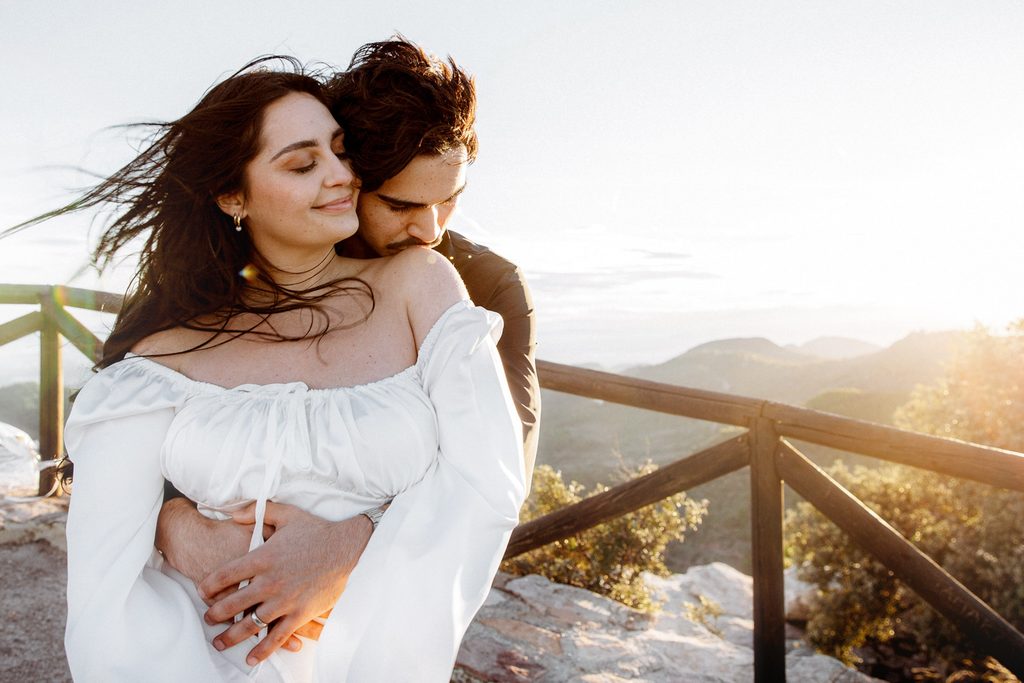
In my experience, natural wedding photography starts long before the wedding day. When I sit down with a couple ahead of time, I want to learn more than just their schedule and the shots they want. I want to know what they are like as a couple, whether they relax in front of a camera, what makes them laugh, and what matters most to them on the day.
Some couples love being photographed and are happy to spend plenty of time on portraits, while others feel uncomfortable after a few minutes of posing. Treating both types of couples the same way is a mistake.
I also ask about their priorities. One couple might care most about photos with their grandparents, while another would rather have candid shots of their friends on the dance floor.
These conversations help me decide where to focus my attention during the wedding. They also give me a chance to explain how I work, which takes some pressure off the day. Couples tend to relax faster once they know they won’t be posing for the camera all day.
2. Don’t Direct Every Moment
Especially early on, it’s tempting to think a good wedding photographer has to control everything. I used to believe that if I put everyone in the perfect pose, placed their hands just right, and had them all look at the ideal spot, my photos would be better.
With more experience, I’ve learned that this approach can remove the very thing that makes wedding photography interesting.
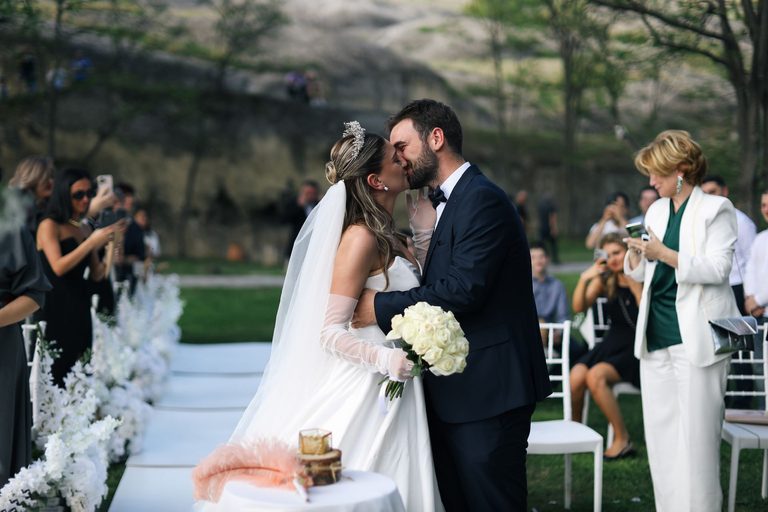
When a father touches his daughter’s shoulder just before she walks down the aisle, I don’t need to step in. I just need to be in the right place and ready to take the shot.
Sometimes people gather together on their own. Guests are sitting around the couple, someone makes a joke, and the whole group starts laughing. If I start moving people around, I can lose the moment. The most professional thing I can do is leave it alone.
3. Give Simple Prompts Instead of Complicated Poses
When I do direct couples, I prefer simple prompts over complex poses. Instead of telling someone where to place each part of their body, I give them a small action that gets them interacting. I might ask them to walk slowly together, stand close, look at each other, or whisper something that will make their partner laugh.
This works because couples already know how to relate to each other. They only need enough guidance that they aren’t left wondering what they are supposed to do.
For example, during a portrait I might stand in front of the couple and ask them to walk toward me while telling each other something. I’m not after the perfect walking shot.
I’m watching for the moment when one of them says something unexpected, the other laughs, and their body language changes. The prompt creates the situation, but the photo comes from what happens inside it.
4. Work Quickly During Couple Portraits
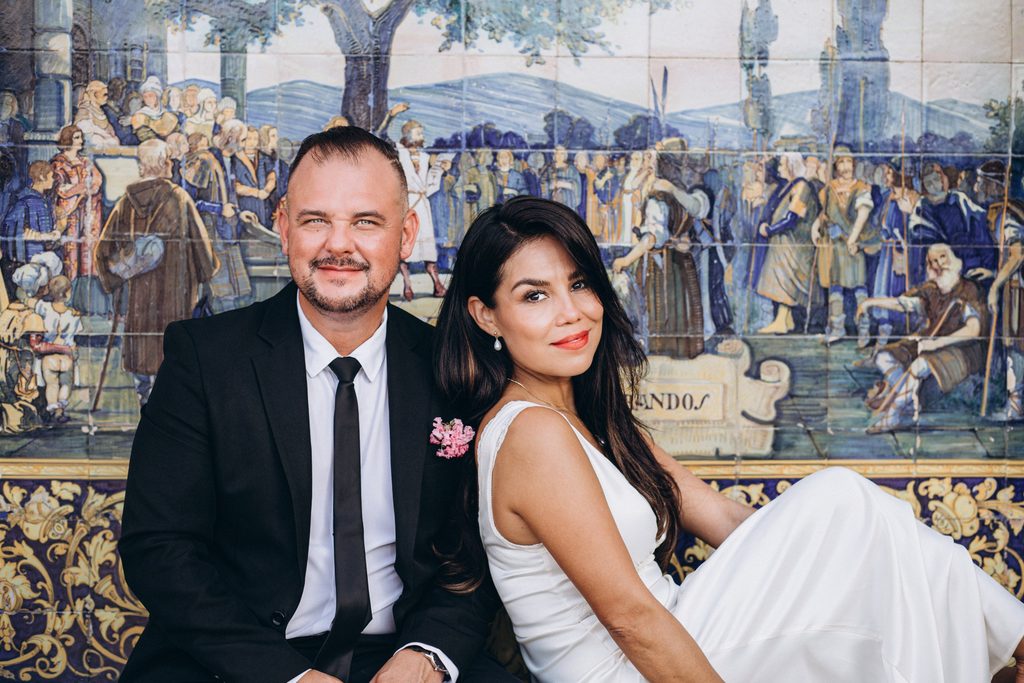
Couple portraits are important, but they shouldn’t take up a big part of the wedding day. The longer a couple is away from their guests, the more the day turns into a separate photoshoot. Before I take the couple anywhere, I scout the location, the available light, the backgrounds, and possible compositions.
The light in Spain can vary a lot depending on the season and time of day, especially at summer weddings. Location also matters, particularly for destination weddings, and areas such as Alicante and the Costa Blanca offer a wide variety of wedding settings, from
Mediterranean beaches to historic towns and more secluded locations.
Scouting ahead saves time and lets me focus on the couple instead of searching for a spot while they wait.
I try not to move from place to place just to get different backgrounds. When the light and composition are right, a small space is enough to create a good photo.
If I get a few strong images in 10 to 15 minutes, I send the couple back to their guests rather than keep them posing because I think I need more. I want the couple to remember their portrait session as a short, pleasant break, not something that took them away from their wedding.
5. Anticipate Moments Instead of Recreating Them
Learning to anticipate what will happen next is one of the most useful skills I have developed. Weddings have patterns. People get emotional, parents react when they see their children, friends get louder as the party goes on, and couples usually have a moment or two when they think no one is watching.
Instead of waiting for something to happen by chance, I pay attention to these patterns. If a bride is about to read a letter from someone close to her, I move into a good position before the emotion sets in. When a groom is surrounded by friends who are ready to tease him, I stay close because I know laughter will follow.
When something real happens, I photograph it as it is instead of asking people to repeat it for the camera. Recreated emotions are rarely as strong.
Anticipation also helps me stay out of the way. By predicting where a moment is likely to happen, I can get into position early instead of rushing into the middle of it where everyone will notice me.
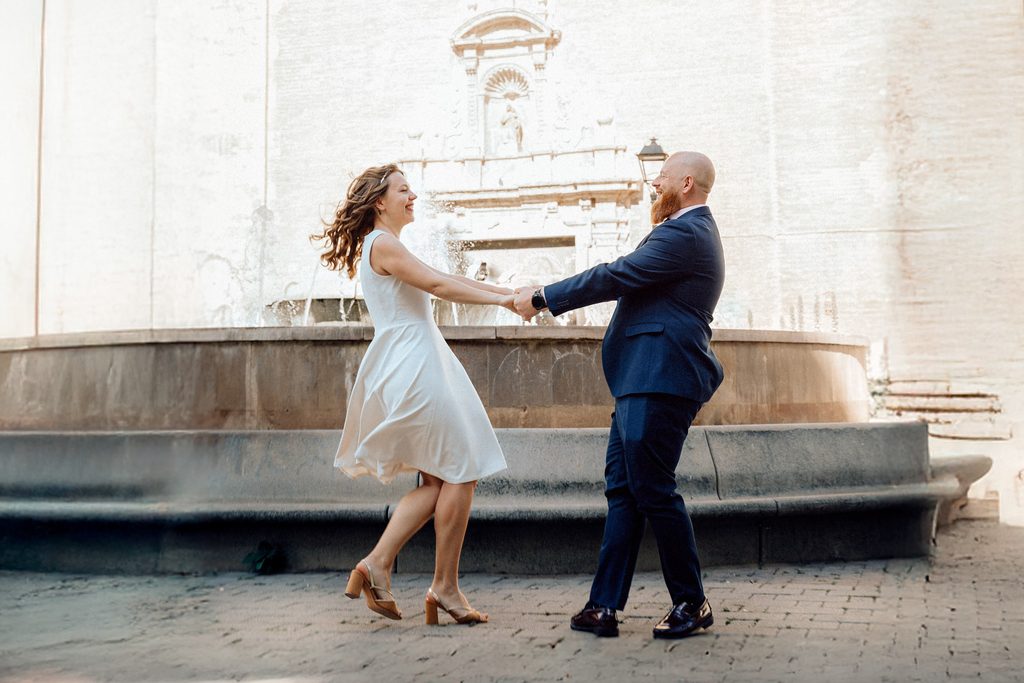
6. Photograph What Happens Between the “Important” Moments
Some of my favorite wedding photos happen between the moments listed on the official schedule.
The bride giggling with her sister as she gets ready, a grandfather watching the ceremony from the back row, children getting bored after dinner, or a couple sharing a quick glance across the crowd can tell as much of the story as the first kiss does.
I look for these small interactions because they make the final collection feel like the real wedding. Photographing the ceremony, formal group shots, cake cutting, and first dance documents what happened, but not necessarily how the day felt.
This is particularly noticeable at destination weddings in Spain, where families often spend several days together and the experience extends well beyond the wedding itself. For those turning the celebration into a family trip, visiting Valencia with kids can become part of that wider experience.
Spanish weddings also involve plenty of time spent talking, eating, drinking, and moving between different parts of the celebration. These are great opportunities for documentary photos.
I photograph nervousness too. The moments before a ceremony can be full of forced smiles, deep breaths, restless fingers, and quiet conversations. These details may seem insignificant at the time, but they can become some of the photographs people treasure most.
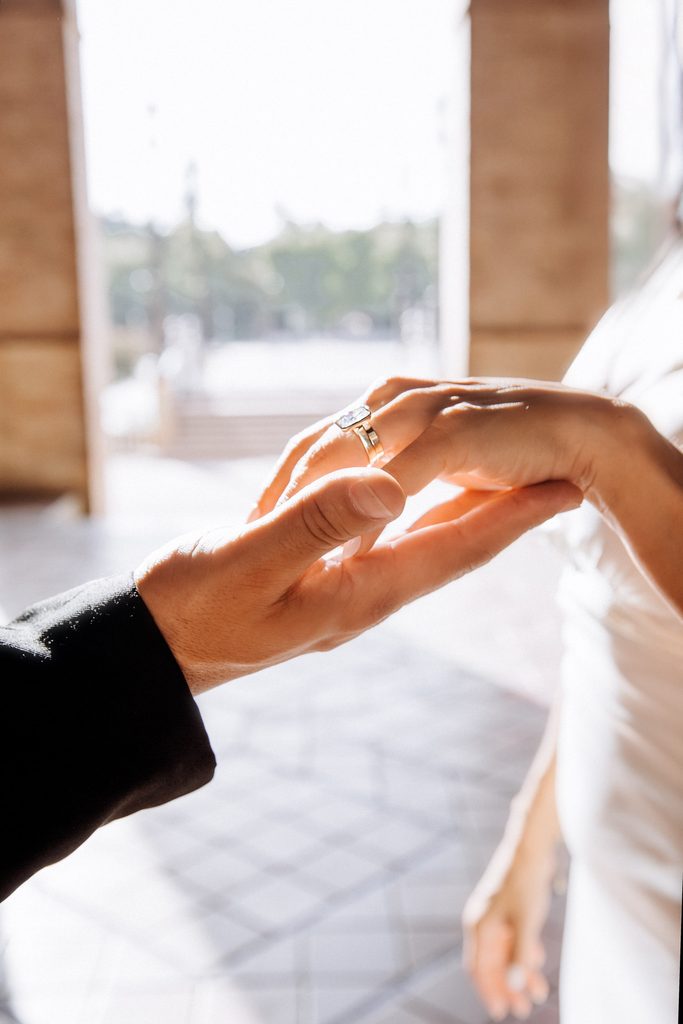
7. Be Present Without Becoming the Center of Attention
Being unobtrusive doesn’t mean being invisible. I need to be close enough to anticipate what is happening, but I don’t want the guests to be aware of me at all times.
During speeches, I listen to the speaker but also watch the audience. The reaction of a parent, partner, or friend is often more interesting than the face of the person holding the microphone.
I move slowly and with purpose, because wandering around aimlessly only makes a photographer more noticeable.
This matters most during emotional moments. When someone is crying, I don’t need to stand right in front of them with a large camera in their face. A less intrusive approach usually produces a more respectful photo. My presence should never compete with the moment.
8. Know When a Little Direction Is Actually Helpful
Some situations call for a little direction, and the photo still doesn’t have to look staged.
If the couple is standing in harsh sun, I’ll move them a few steps into better light. If there is something distracting in the background, I might ask them to shift position. If someone’s posture looks awkward, I might suggest a small adjustment. These changes aren’t about creating a fake moment. They are about improving the conditions around a real interaction.
Good direction should leave couples feeling relaxed, not self-conscious.
9. Build Enough Trust That Couples Forget About the Camera
Trust is probably the most important part of this process. When couples trust me, they stop worrying about whether they look good in every photo. They are more willing to move, laugh, talk, and just be themselves.
I keep building that trust throughout the day. I try to be friendly and easy to talk to without talking about photography all the time. If I need the couple for a few minutes, I explain why and keep it simple.
I’ve found that the longer a wedding goes on, the less aware the couple is of the camera. Early in the day, they might look straight at me every time I lift my camera. Later, they get caught up in conversations and what’s happening around them, and they stop reacting to every photo. That’s when the images become more natural.
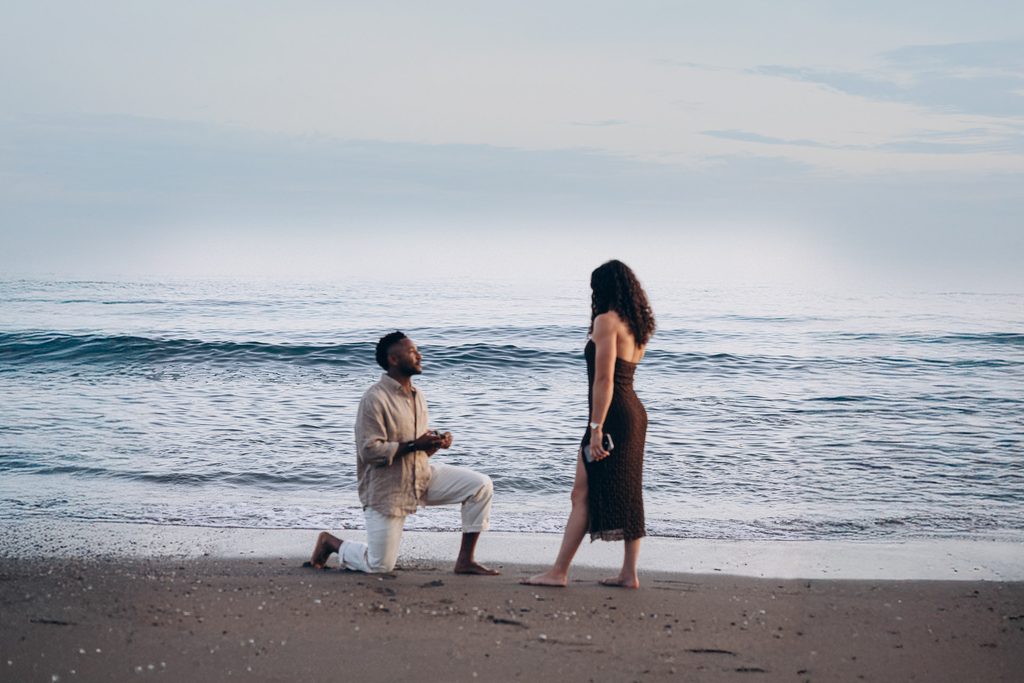
Let the Wedding Be a Wedding
My job is to create beautiful photos while letting the couple enjoy their wedding as it unfolds.
I want couples to remember their wedding for the people they shared it with and what they did together, not for how many hours they spent in front of the camera. The best photos come when the photography supports the wedding instead of controlling it. When couples are truly enjoying themselves, there is very little I need to create.
See more from Julia Gnatenko by visiting her website and Instagram.
More reading: I’m a Pro Portrait Photographer: Here’s What I Wish I Knew When Starting Out