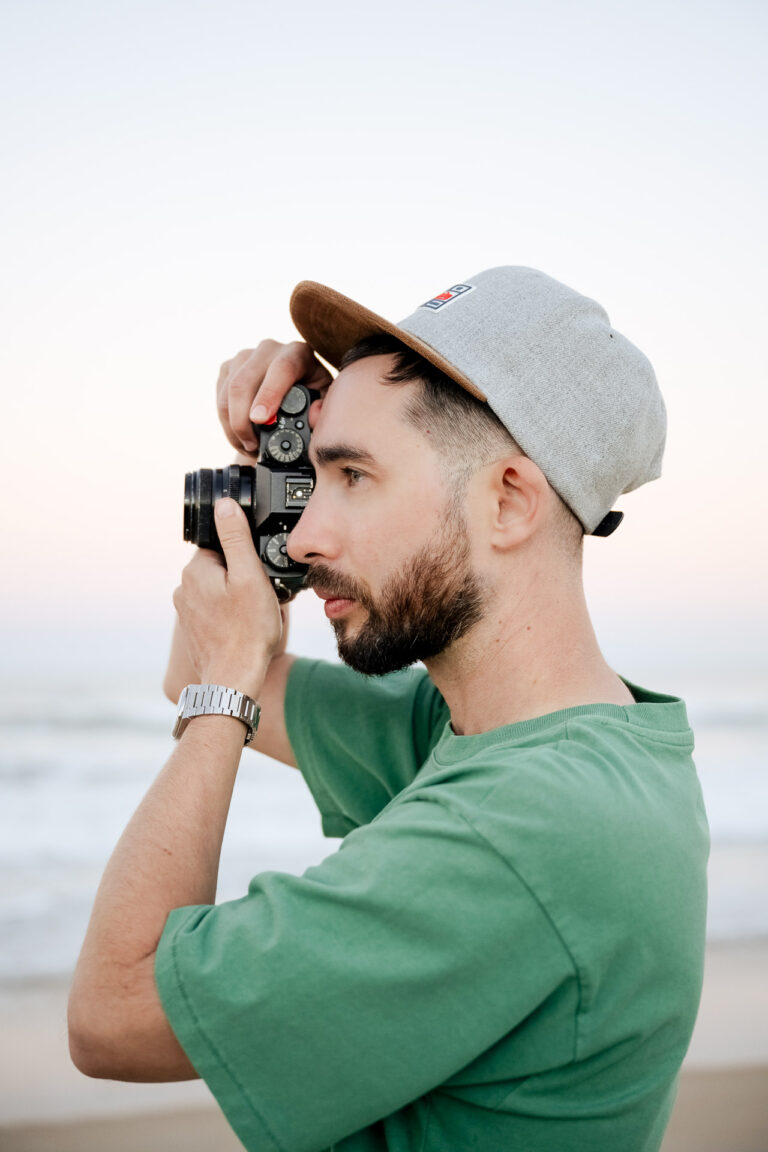

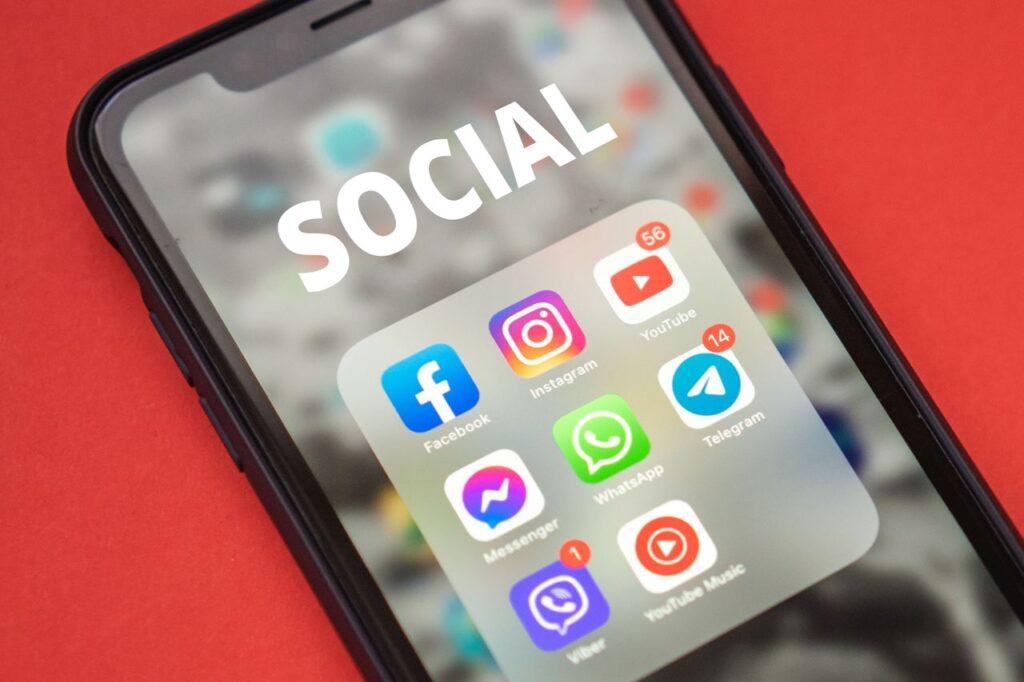
Photo by Atlantic Ambience.
I remember a time when people used social media to truly express themselves. It was a space where a person could tell the world who they are, and what they thought.
All the digital spaces felt like the wild west of expression, with countless personality types, innovative ideas and a dash of silliness. Today, it’s much more formulaic, and it’s hurting creative freedoms of all types, including photography.
Habitually, I check LinkedIn on a daily basis. It’s boring. Like, extremely boring. Writers, photographers, and everyone else structure their posts the exact same way: a hook above the fold, no more than two sentences per paragraph, and a “shocking” take so overdone it’s not shocking at all.
There’s a reason for this. It’s a proven structure that works when it comes to engagement. People see what’s getting the likes, what sparks comments, and then they copy the formula and apply it to their own subject matter and audience. Factor in how many people are now using AI to craft these posts, and you realize the authentic voice is pretty much dead.
Photography is also a victim of this formulaic practice. Go to Instagram or any other space to share images and you’ll notice a pattern. Whether it’s half-naked women in provocative poses or a subject perfectly positioned through a dash of light, there are certain images that will generate more engagement than others.
Certain Images Fail…
I recently interviewed Phil Penman on Them Frames That Make Us. Penman has over 350,000 followers and pointed out there are certain images he cannot share on his feeds. “A meaningful portrait won’t get any engagement,” he told me. And he’s right.
Unique work that goes against the status quo is increasingly harder to market as our brains become accustomed to certain patterns and visual rhythms. While getting your name out there, and receiving the love, is wonderful, there’s a huge artistic consequence to this…
You no longer have a visual voice. Your brain no longer attempts to move the needle, instead it attaches itself to the trends, instead of trying to break them.
Why do we make art? Is it for popularity? Perhaps. But I still like to believe the reason creatives get into such spaces is to try and deliver something to the world that’s meaningful, something that disrupts and turns a straight line into something more squiggly and thought-provoking.
Taking Breaks
It’s not realistic to tell you to delete social media and only live in your creative mind. I also believe it can be useful for inspiration, when used sparingly. But I think it’s a good idea to take breaks, sometimes short and sometimes extended. To remove ourselves from the brain rot and monotony, thus reconnecting with our unique creative thought patterns. That’s how we create work that’s meaningful.
It takes longer to get those likes and that admiration if we take our own path. Creating a trend is much harder than following one. But when all is said and done, I believe we’ll be much more content in our creative practice knowing we did it our way, for the love, for the passion, and for the creative freedom.
A 30-day hiatus is a good starting point. It gives the brain time to reset, giving you space to truly think about the work that matters to you. I think we can all benefit from remembering that creative expression was born to be the antidote to formulaic practice, not to become it.
More reading: Radiant Photo 2 Review: Why I’m Very Excited About This App