
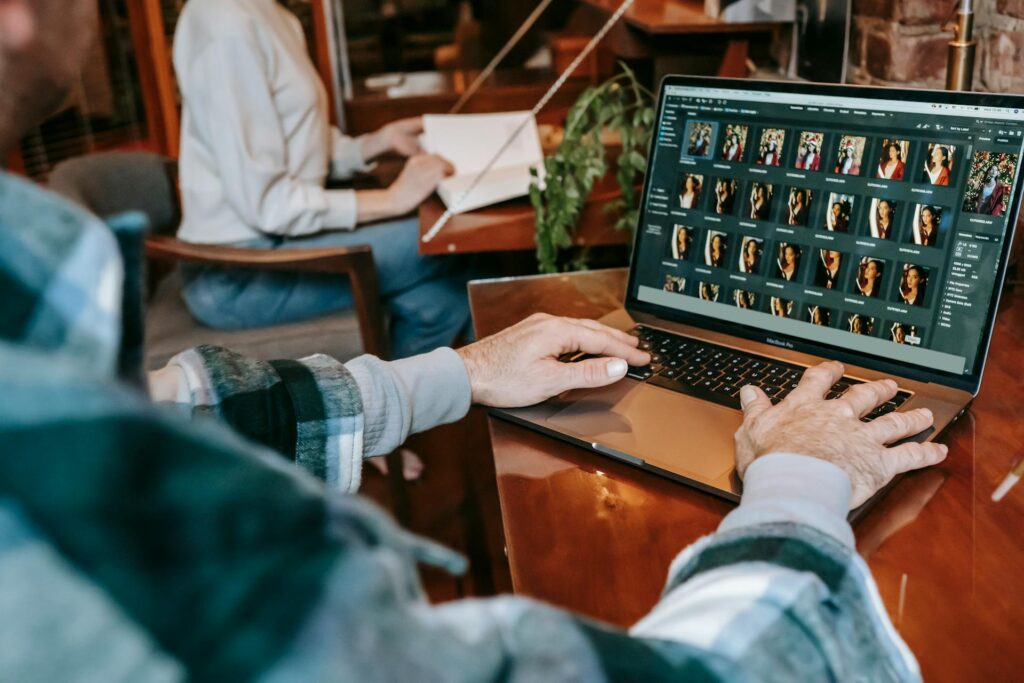
Photo by Gary Barnes.
Back in 2006, I was sitting in my college class, looking at the photos I made on a small point and shoot camera. I asked my tutor, “Can we learn Photoshop today?”. He laughed. “Photoshop is for a whole other semester, it’s going to take ages to learn”. And he wasn’t wrong. 20 years later, however, the best photo editing software no longer take a How to For Dummies to get to grips with – in fact, photo editing is the easiest it’s ever been.
The Market Has Opened Up
For a long time, Adobe had a stranglehold on photo editing. If you wanted to edit seriously, you used Photoshop or Lightroom, and you got on with the steep learning curve that came with them. That’s simply not the world we live in anymore.
The editing software market has exploded over the last decade, and with more players at the table, companies have had to fight harder for your attention and your money. Making their tools as approachable as possible is now one of the most important ways they do that. Whether you’re shooting weddings professionally or just want your holiday snaps to look a little better, there is something out there for everyone.
Beginner-Friendly by Design
Even the established tools have had to raise their game in terms of accessibility. Lightroom is the best example, evolving into something far more intuitive than it once was without losing what makes it powerful.
A lot of people still assume you need the most complex tool in the room to make a real difference, but a straightforward edit with well-placed adjustments to exposure, color and contrast can transform an image completely. The gap between beginner and professional tools has closed considerably.
Related: Best Phot Editing Software for Beginners in 2026
AI Has Done the Heavy Lifting
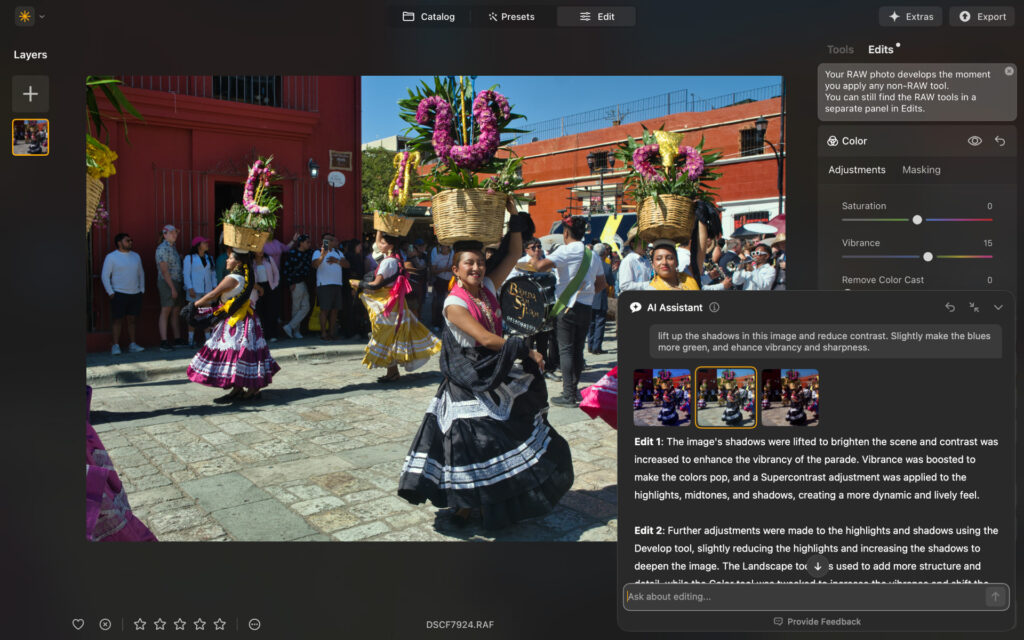
Luminar Neo now offers a full AI-powered photo editing assistant.
If there’s one thing that has changed the editing game more than anything else, it’s AI. Specifically, the way it has made precise, technical editing feel easy in a way that simply wasn’t possible before.
Take masking as an example. A few years ago, carefully selecting a subject or isolating part of an image was a skill in itself. It took time, patience, and a steady hand. Now, AI-powered tools can identify your subject, separate it from the background, and produce a clean and accurate mask in a single click.
Luminar Neo has managed to make this kind of capability feel genuinely useful rather than just a novelty, packaging it into something that doesn’t require a technical background to use well. You can learn more in my Luminar Neo review.
This also removes one of the biggest psychological barriers to editing. When the hard technical work is handled for you, the focus can shift entirely to the creative side of things.
Related: Best AI Photo Editing Apps in 2026
Your Editor Can Learn You
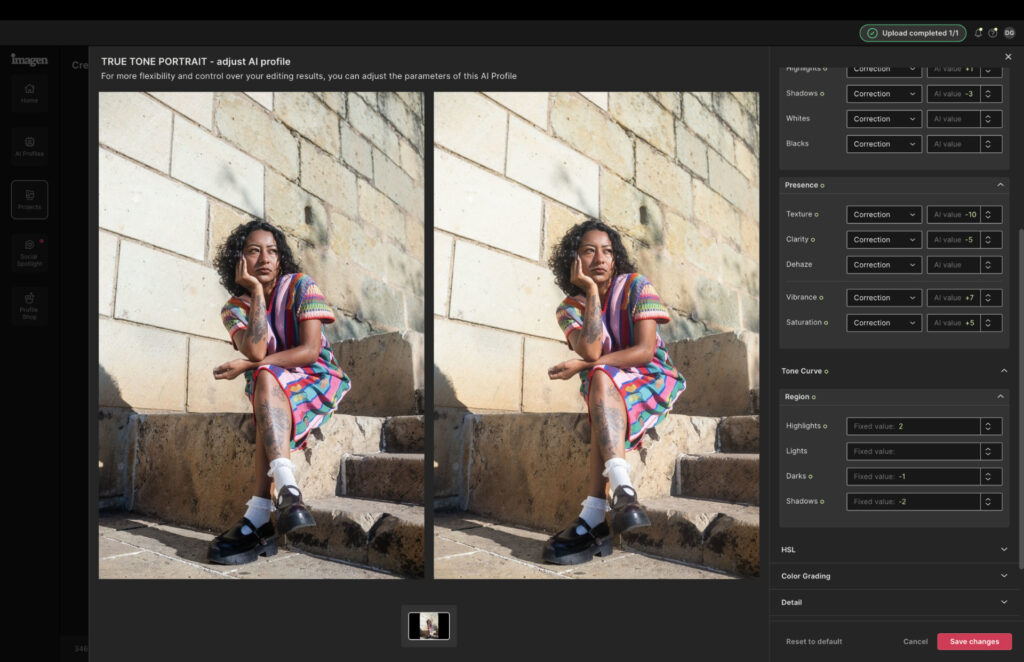
Through simple training, Imagen AI learns to edit exactly how you would.
Imagen AI takes things a step further entirely. Rather than manually editing every image, you train it on your existing work and it builds a profile of your style. Your color preferences, your exposure tendencies, the way you handle shadows and highlights.
Once it has that understanding, it applies your style to a full shoot automatically, doing the bulk of the work before you’ve even opened a single file. Read my full Imagen AI review.
For photographers working at volume, whether that’s portrait photographers, event photographers, or anyone delivering large galleries on tight deadlines, this changes things considerably. It’s editing that feels personal, even when it’s largely automated.
Knowledge Has Never Been More Accessible
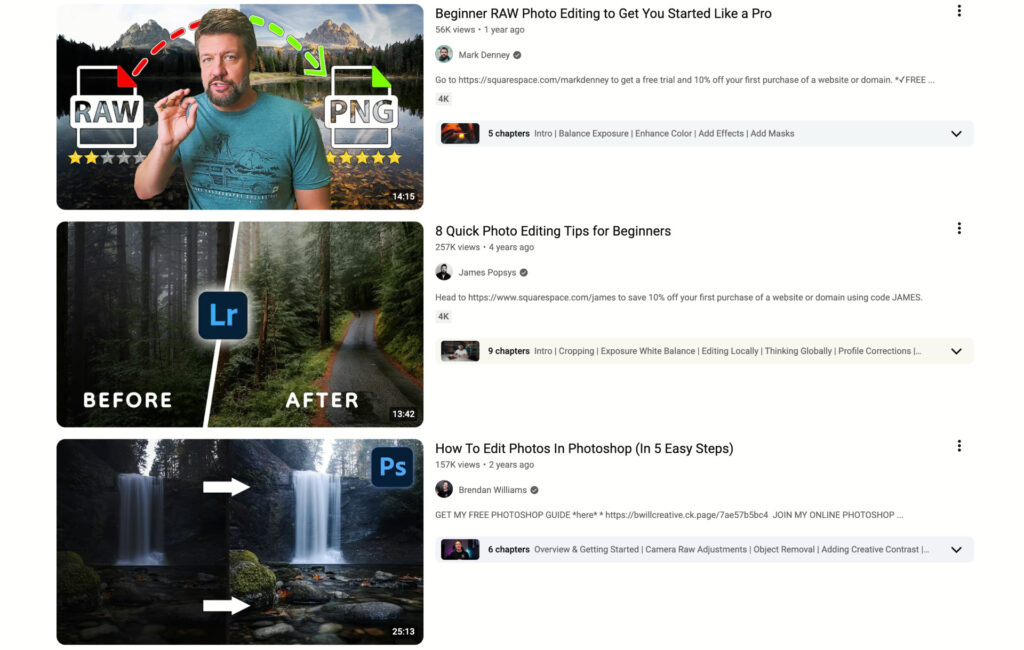
There are still areas of photo editing that take genuine time and effort to learn. But even this side of things is far less daunting than it used to be. When my tutor told me Photoshop would take a whole semester, part of what made that true was that the resources to learn it were limited and hard to follow.
Today, a clear tutorial is never more than a minute away. YouTube alone has made an enormous difference to how quickly people can pick up new skills, and many tools now come with in-app guidance that actually makes sense. Getting unstuck is usually just a quick search away.
It’s Been Opened Up, Not Dumbed Down
Photo editing hasn’t lost its depth and the craft hasn’t been diminished. The complexity is still there for anyone who wants to go looking for it. What has changed is that you no longer have to wade through all of that just to get started.
The gatekeeping is gone. That sense that serious editing was for someone else, somewhere further down the line, doesn’t hold the same weight anymore. In 2026, if you want to edit your photos, you can. The tools are ready for you, wherever you’re starting from.
More reading: A Photographer’s MacBook Air M5 Review: Skip the Pro?