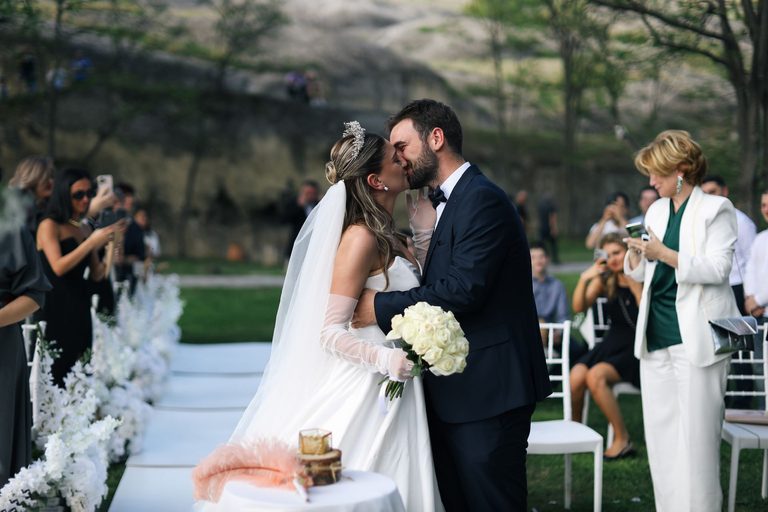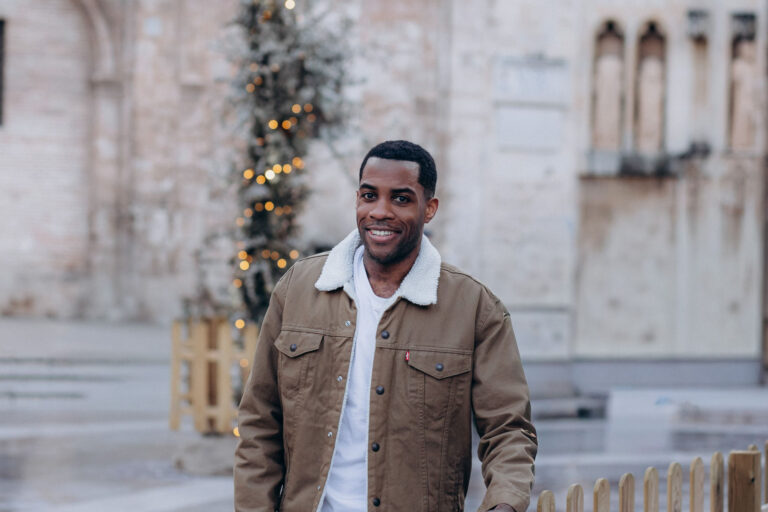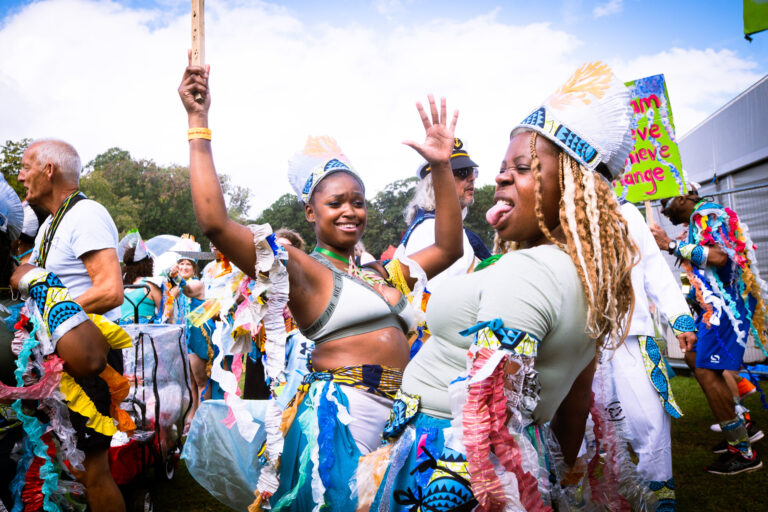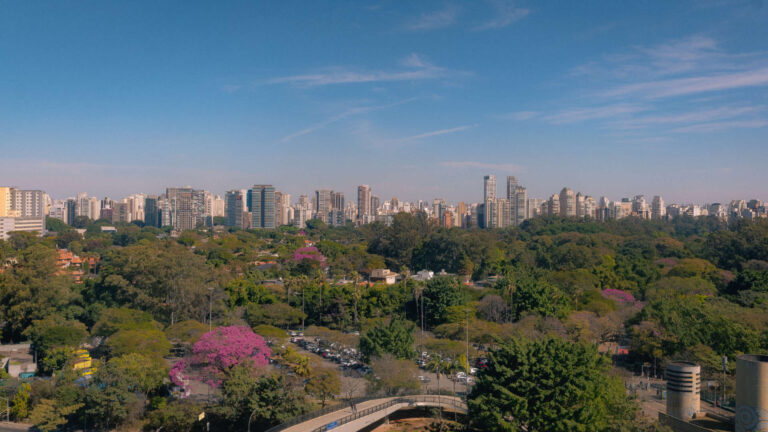

Since the moment I picked up photography, street photography became my thing. Part of that was ease of access, but most of it was due to my genuine interest in humanity, and how societies are formed. For 15 years it brought me joy, frustration, and a little bit of danger. I’ve traveled the world making street photographs, featured in world renowned galleries and made plenty of friends in a thriving community. But it’s time to say goodbye.
Video version (continue scrolling to read article).
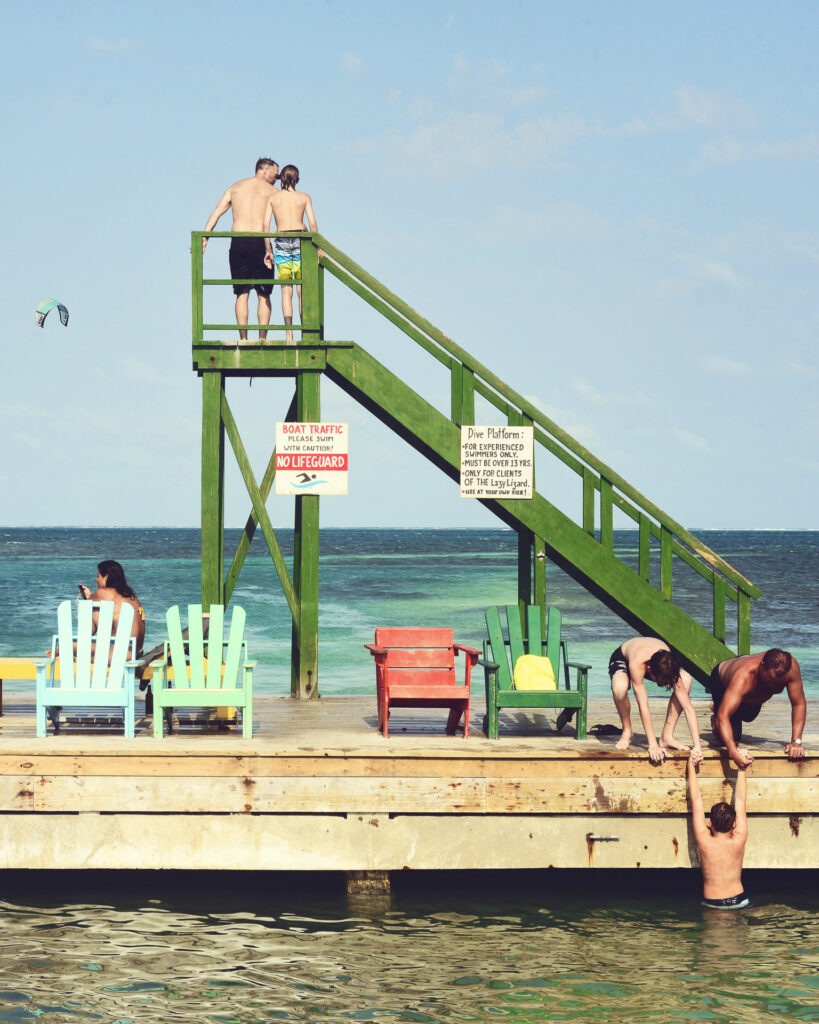
Caye Caulker, Belize.
Two things have shifted to bring me here: how I feel about the impact of the work, and how I feel about putting myself in the way of confrontation. Let me explain both.
Starting Street Photography
In the initial years of my street photography practice, I was hungry. Starving, in fact. I would hunt for the shot for hours and hours, walking, getting low, getting high, doing all I could to find an image that made the process feel worthwhile.
I would consume the work of street photographers who came before me: Robert Frank, Vivian Maier and the still active Matt Stuart dominated most of my attention. Back then, I was obsessed with how they would make such engaging frames, while also capturing the essence of humanity.
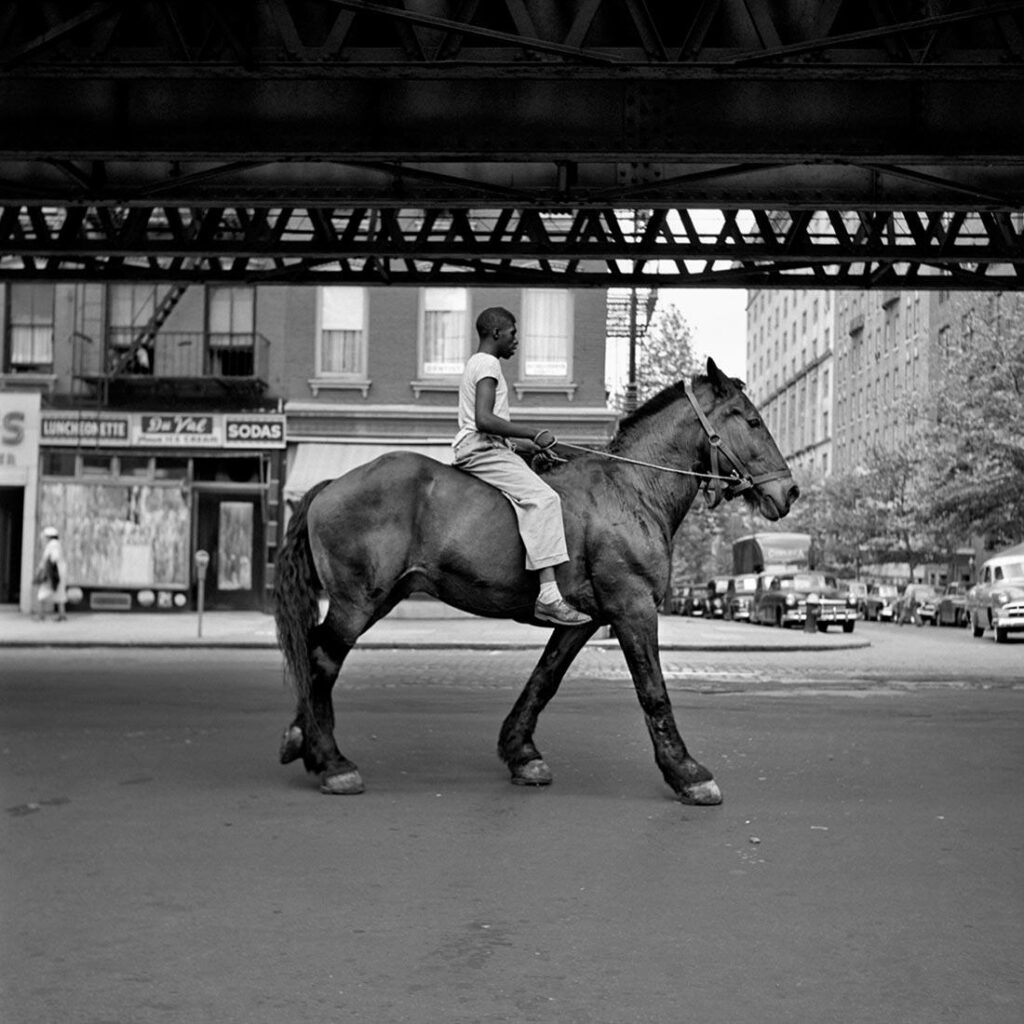
Photo by Vivian Maier.
Even more controversial photographers like Bruce Gilden and Tatsuo Suzuki inspired me too. I could recognize why their approach is viewed as aggressive, but I admired their fearlessness to go out and make photos their way.
Whether a photographer was controversial or not, I believed that, despite their approach, they all came with good, honest intentions. They simply wanted to document what they saw.
Because of that belief I would spend my time relentlessly defending the craft. When people called it weird or creepy, I would calmly explain why for the most part it was not. I wasn’t naive, of course. I’m aware of instances where certain street photographers have acted inappropriately, and I’ve even called it out publicly through my writing in the past.
But the bad eggs don’t define the community, and with that I have always defended, and will always defend, the art form when people question whether it’s born out of ill intention.
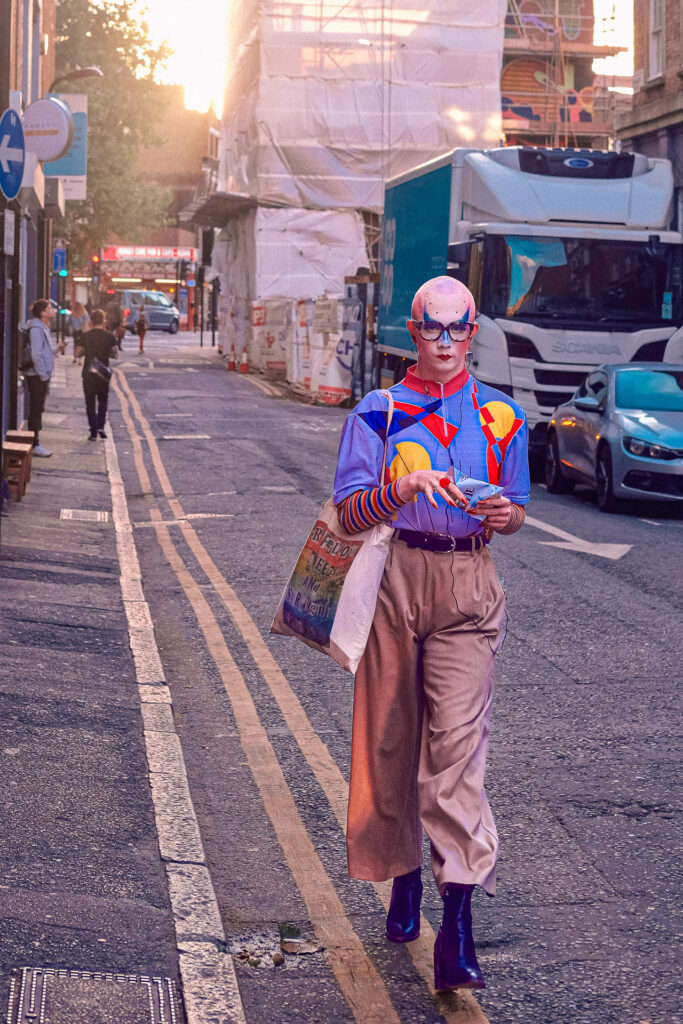
London, England.
An Internal Shift
When I was younger, even up until recently, it was my hunger and beliefs that made me shoot street photography without question. My intentions were good, I wasn’t acting unlawfully and I was happy to have a dialogue with anyone who felt uncomfortable by my actions.
However, in the past year or so, something has shifted inside of me. I’ve become more aware not just of the creative process, but of how photography is distributed in the modern age. In the days of Frank and Maier, you could make a street photograph and relatively few people would see it. In Maier’s case, nobody saw it until after she passed away.
Today, due to technology, you can shoot in the morning, edit in the afternoon and have the images live on the internet in the evening. The reach is much larger too, with popular street photographers having the ability to reach millions of people with just a single post.
Ironically, despite society being more used to people having cameras in public settings, the objection to creating public content feels like it’s at an all time high. It makes total sense. Ragebait auditors lean into the legalities of their actions while removing empathy from the situation, and the general public are more aware of the nefarious actions of such people because of it.
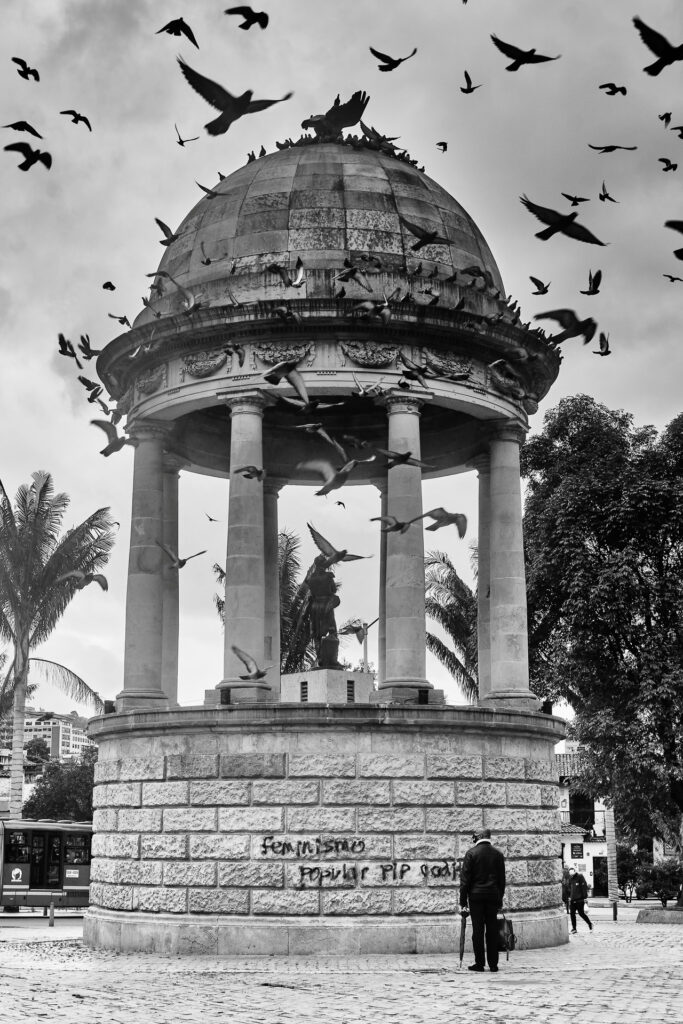
Bogota, Colombia.
It’s not just videographers either. I’ve seen street photographers try to ragebait too. When people ask why they’re outside their store taking pictures of them, the standard response isn’t a calm explanation, it’s “because I can.” They want people to feel uncomfortable, and unfortunately it’s such content that gets the most airtime.
Again, this makes up a small part of those that create in public spaces. Awesome channels like Walkie Talkie by Paulie B highlight the true authenticity of street photography and the motivations behind those who practice it. But that small, toxic part is getting larger, and louder.
The more time I’ve thought about this, and the more I consider how images are distributed, the more my empathy has outweighed my passion for the craft. Even if my intentions are good, it’s becoming more difficult to be at peace with the fact my actions may make a person uncomfortable.
Combined with the fact that they don’t know where an image of them may end up online, my battery to pick up my camera and shoot street photography is drained, to the point it’s pretty much dead.
That’s the first shift. The second is closer to home.
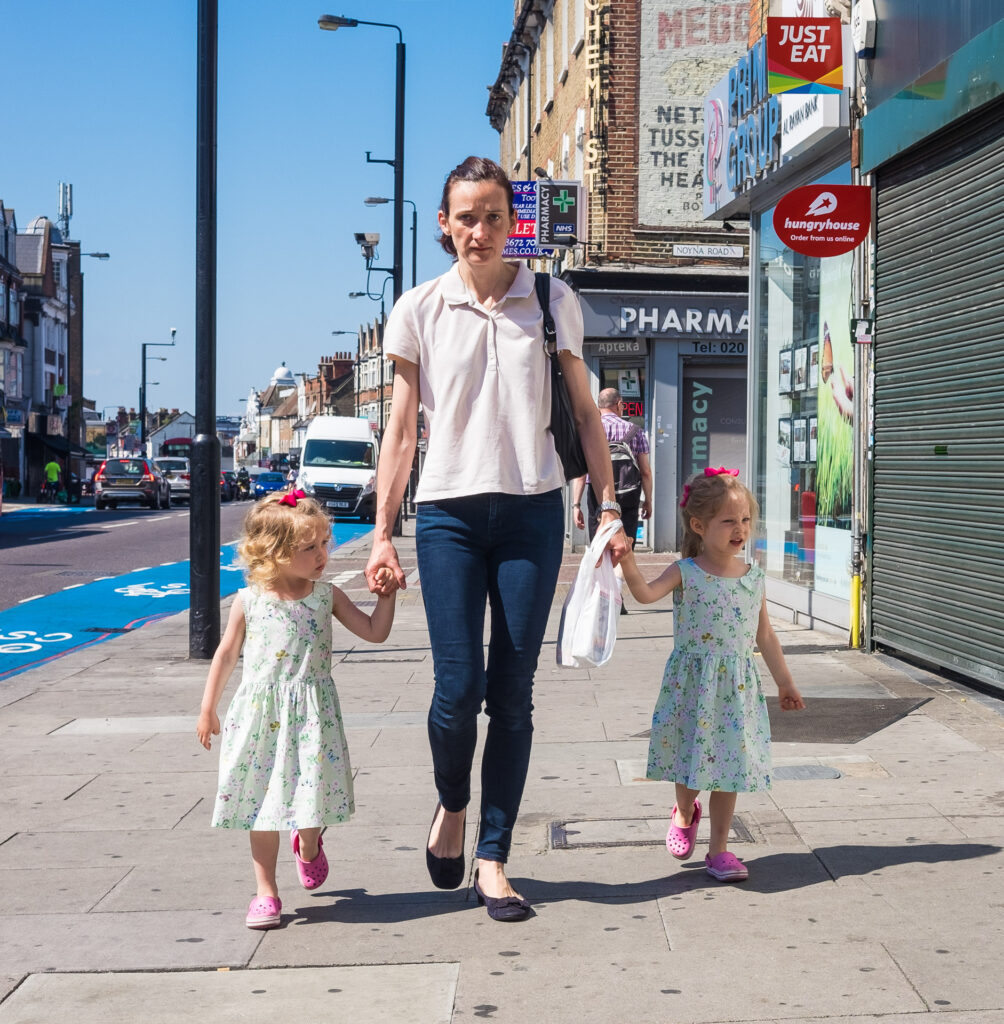
London, England.
A Desire for Peace
I’m also almost 40. I’m not as brash, outspoken and resilient as I was when I was young. My go-to setting today is asking how can I keep the peace, not how can I disrupt it in favor of my views and behaviors. I know how to handle confrontation, I’ve done it countless times in countless cultures. But if I can avoid it, I’ll do just that, and creating less street photography has helped with that.
Put the two together and the pull away from street photography stops feeling like one decision and starts feeling like two reasons agreeing with each other: less appetite for putting strangers in an uncomfortable position, and less appetite for putting myself in one.
None of this is to say I’ve done a 180 on the craft. I still love consuming street photography, I love interviewing street photographers too. I still believe in it, I will still defend it, and a part of me does hope that the passion to practice it myself returns.
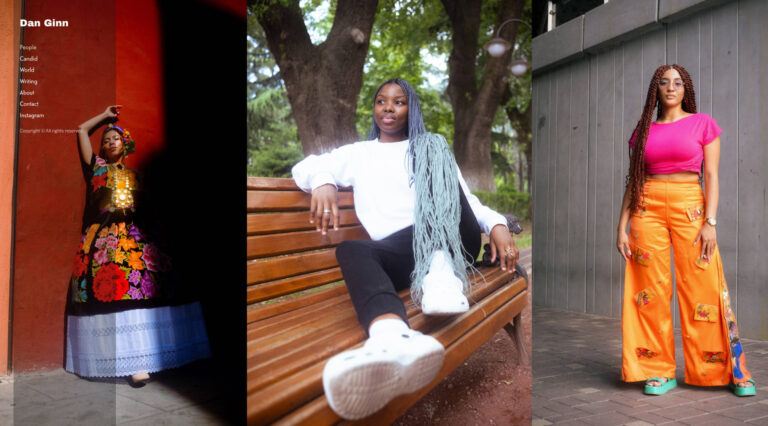
But, right now, my focus is elsewhere. Working with other creatives, doing portrait shoots, and photographing the world gives me much of what street photography did. It just comes with much less stress, and I find when I create more peacefully, my work benefits from it.
Peace and harmony. That’s what attracts me now, and street photography doesn’t give me that.
More reading: Don’t Want to Lose Your Images? Do This Right Now