
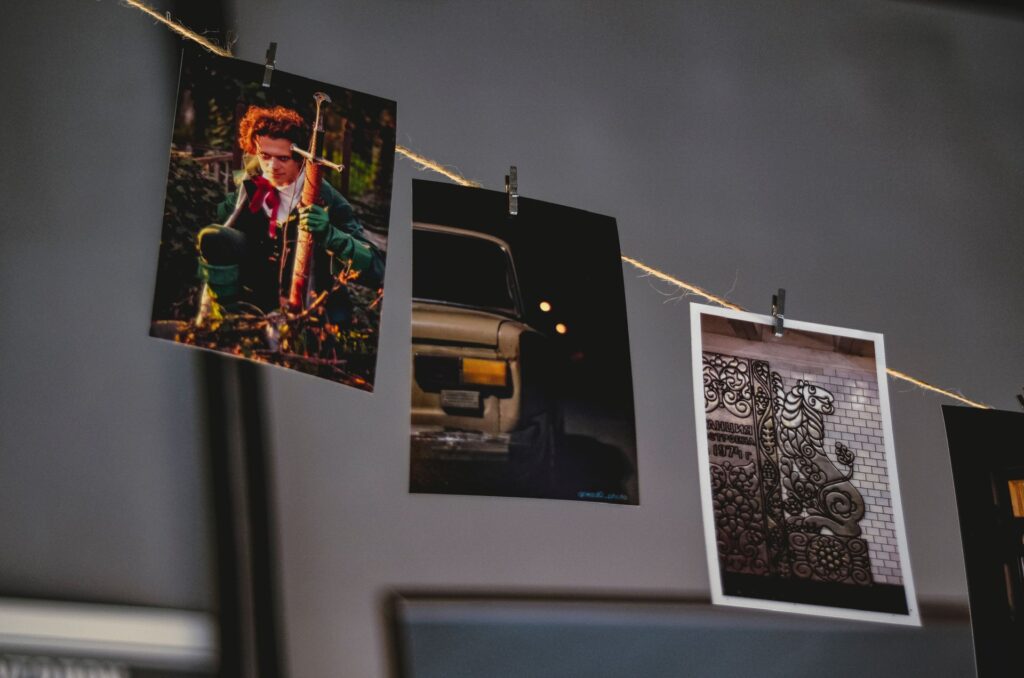
Photo by Kristina Chuprina.
It has become the norm for me to wake up at 3am, feeling alert and awake. It’s usually at this time that I also have many ideas, thoughts or worries too. In my most recent edition of “what if?” my mind wondered, what if every image I have that sits on the cloud suddenly disappeared? It would be nothing short of a disaster.
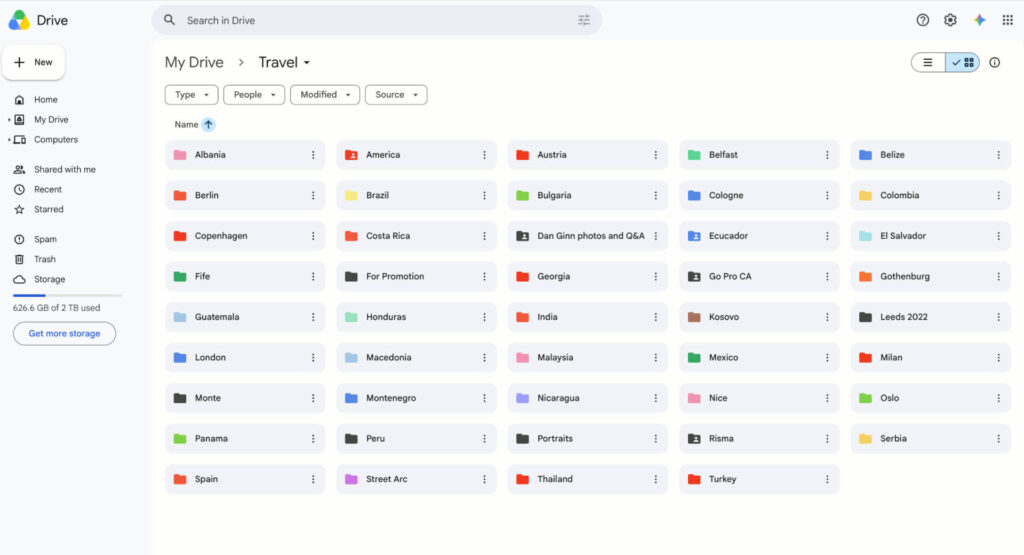
At the time of writing, I roughly have 25,000 images sitting in the cloud. Images I’ve taken of friends, family, clients and my travels through multiple countries and continents. Although not every image sits firmly at the forefront of my mind, every single one of them means the world to me. They’re each small visual fragments of my story, my experiences, my life.
Most of them sit on Google Drive, with my most precious images also backed up on pCloud, a secure private alternative and one I consider to be the best cloud storage for photographers.
Despite my panic in the early hours of the morning, I genuinely trust cloud storage. I’ve been using it for 15 years and not once, touch wood, have I had an issue with losing images or security breaches.
Large multi-million dollar companies (or billion dollar companies in Google’s case) have robust systems that protect our digital assets. They back up our images to multiple servers in case one drops out, have state of the art cooling technologies that extend the longevity of the hard drives our images exist on, and have top level physical and digital security protections to ensure our files remain safe from harm.
Saying that, there are still questions one should ask when thinking about how they keep their images. What if a company goes bust? What if security is finally breached? Or what if, for some reason nobody expects, every server fails at once?
While every cloud based company will say this is extremely unlikely, which is true, they wouldn’t be able to say it’s impossible.
If my 25,000 images rapidly became zero overnight, it would result in nothing less than a catastrophic meltdown. I’d sit in the shower and cry, still fully dressed and rocking gently calling for my mommy. This can not happen.
The Alternatives
As the middle of the night slowly became early morning, and the sun began to rise, I thought of my best plan of action should the absolute worst ever happen. I already backup to multiple cloud storage providers so that’s no use. My trust in myself to not lose personal hard drives (I travel a lot) is low, plus they fail and break too, so that’s not the best option either.
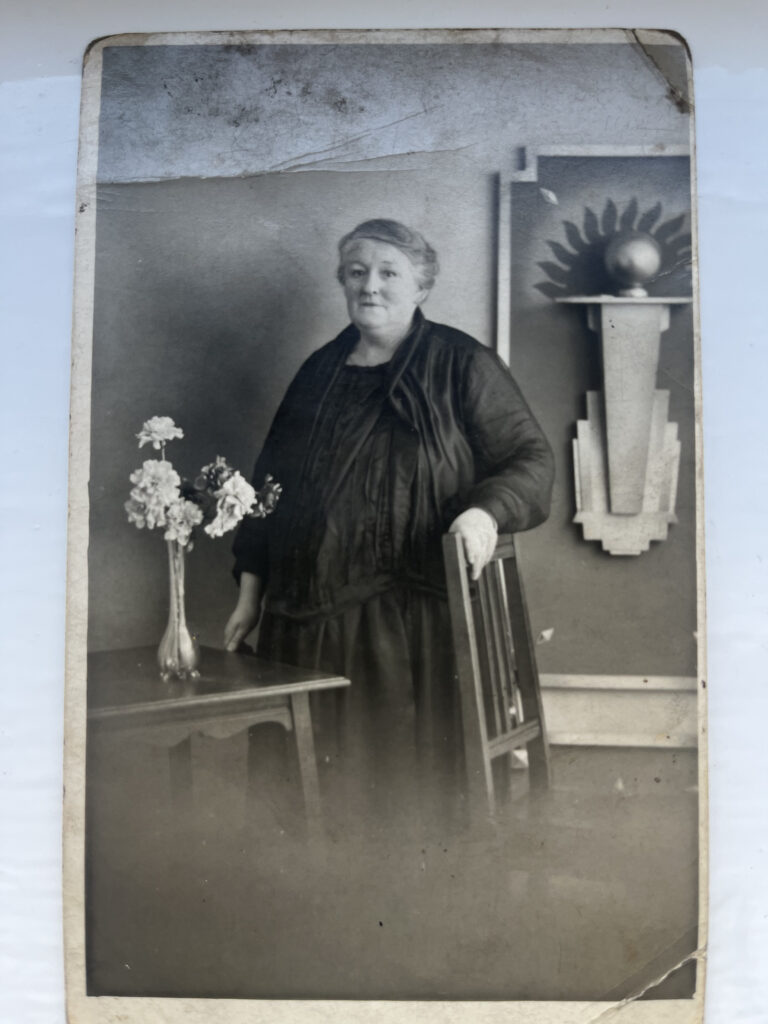
Which left me with one tried and tested option. An option that worked for my late Nana for almost 100 years – print my images.
Going through old family boxes I found photographs from the 1930s. I couldn’t tell you who was in the images, but there they were, visible to see, many years after they had left this earth. Isn’t it wonderful that a relative somewhere in the family tree is now able to enjoy those photographs, trying to understand and learn their lineage? I think so.
The idea of a great grandchild finding an old box of photographs that I’ve taken over the decades really spoke to me. This led me to the realization that I had to start printing more of my work.
Now, although I wish I had the cash sitting around to print 25,000 images, I don’t. This made me think that I should make a series of photo books, but this takes a lot of time, which right now I don’t have.
After spending time thinking about the possible outcomes, I reached one final question. If I was to potentially lose all my photographs, which 10 photographs would hurt the most to never see again?
I thought about five right off the top of my head. And then I dove into my archives and eventually found five more. Some of them mean a lot because of a certain time in my life, others because of the impact they have had on my career in the photo industry.
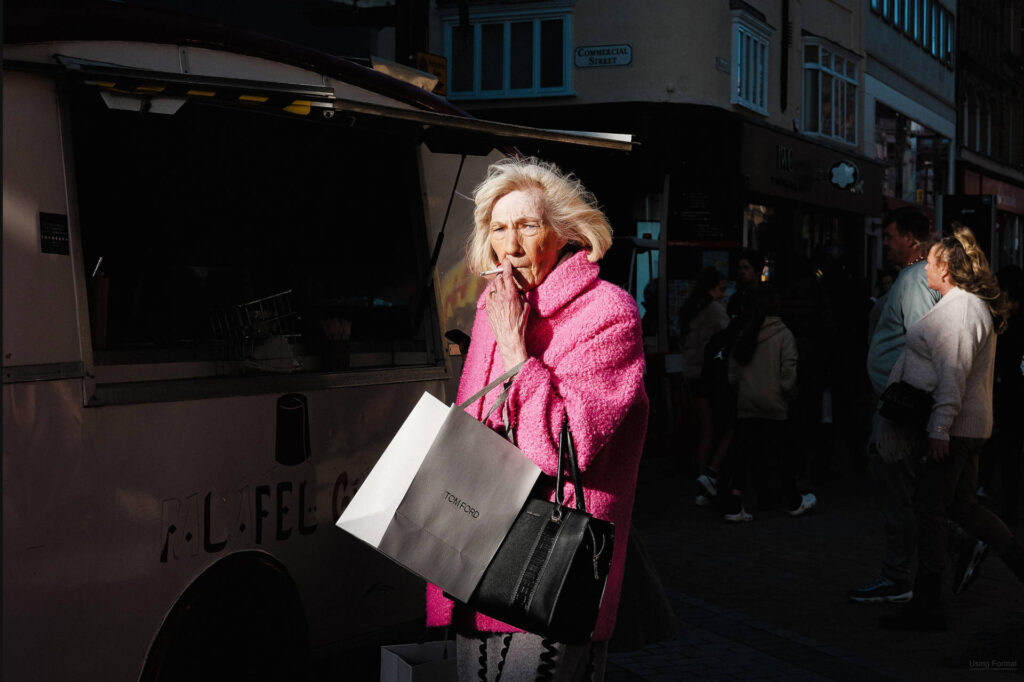
For example, one image I took in my home city of Leeds, which hung in the Leica Gallery in Vienna, means more to me than some of the images I’ve been lucky enough to take in more glamorous destinations around the world. Not because of where it was exhibited, but because of someone local in the city I was born.
With that, I sent my order to Loxley Colour, a print company I’ve used for years, which has never let me down in terms of service and quality. Knowing I will have images that I have more control of preserving gave me a little more peace of mind. This resulted in my anxiety settling, my mind becoming quiet and me being able to return to sleep for an extra hour or two.
I’m grateful I’m not writing this after a disaster. I hope it helps you think about the multiple ways you store and manage your images too, especially in the digital world. Although challenging, it’s also a fun exercise to really think about which of your images mean the most to you and it gives you the opportunity to reflect on your body of work.
The point here isn’t to condemn cloud storage. I still think it’s a great way to manage files, share them with others and access them with ease. But I do recommend printing your best images as well. Give yourself peace of mind and ensure you have something that has the potential to last longer than your lifetime.
More reading: DaVinci Resolve’s Photos App Isn’t For Photographers