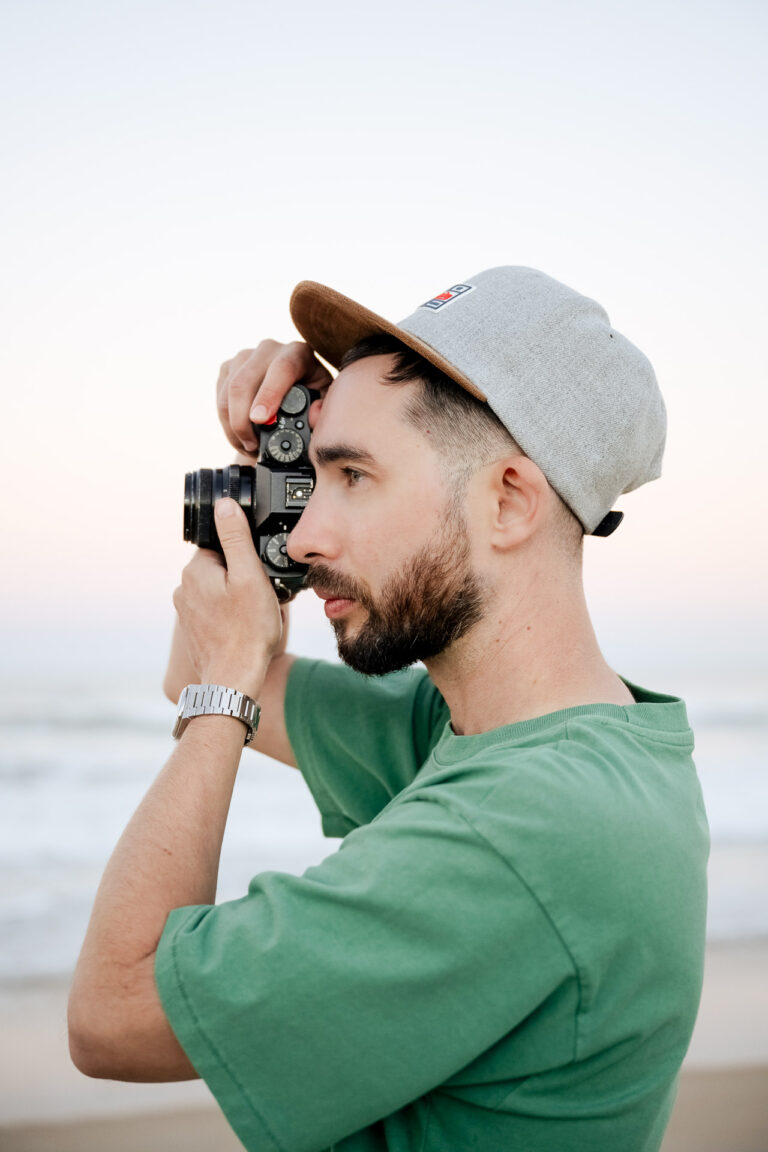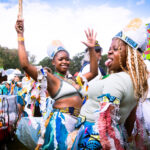

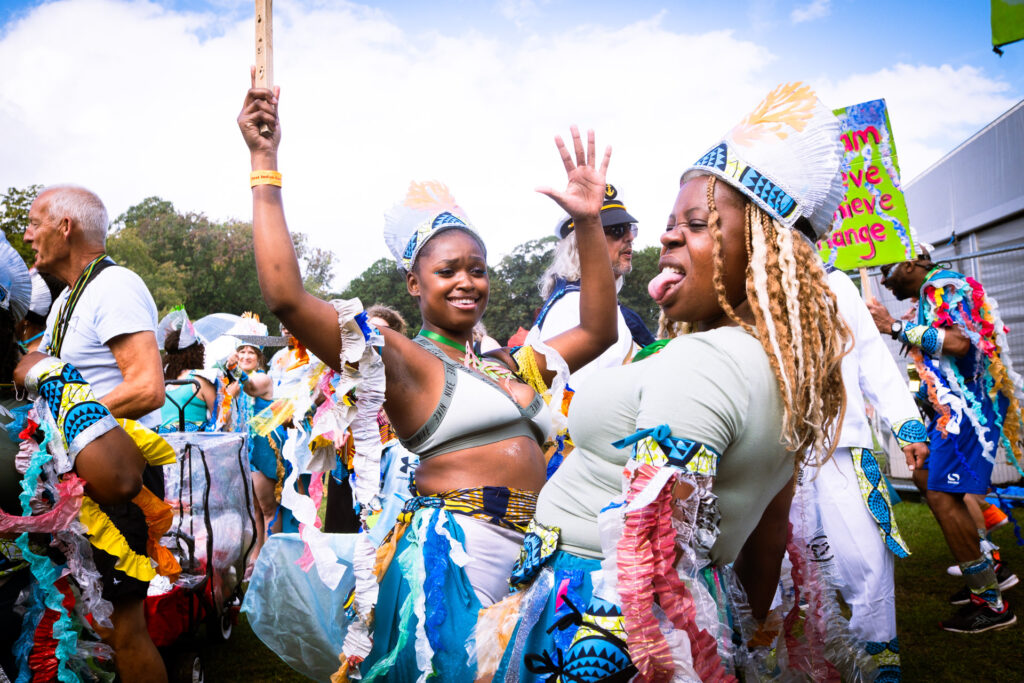
This past Monday, I attended the West Indian Carnival in Leeds. The most iconic version takes place in Notting Hill, London, but Leeds hosts the longest running Carnival in the UK, with this year marking its 59th instalment. Batteries charged, lenses packed, I was ready to photograph the full day. However, an unexpected SD card issue forced a change in my approach.
For personal photography, I shoot Fujifilm JPEGs with a modified film simulation. But for event work, I tend to shoot RAW to ensure I have the most control in post-production. The JPEGs tend to run 11 to 15MB in size, with RAW files averaging around 60MB.
After being at the event for around an hour, I got an alert on my camera that I’m not used to seeing: “Your memory is full.”
How could this be? I’m usually rocking a 128GB SD card. There’s no way I could have filled that up. Upon opening my camera and pulling out the SD card, I saw “16GB.”
I realized I’d brought the wrong card, having left one I’d bought for a small project inside my Fujifilm X-T3. I had to start going through my camera and deleting any obvious duds. Far from ideal.
The carnival takes place in a huge park and along the surrounding streets for the parade. Thousands of people attend, and many nearby stores close for the day, unable to handle the crowds. This meant there was nowhere I could quickly and easily buy a new card. I was forced to work with what I had.
At first, I thought about going home. It had put a bit of a downer on the event. However, after taking some time to adapt, I realized this was a great opportunity to shoot with true intention.
That meant slowing down, being more observant, and asking myself if the frame was really worth it. It also meant switching back to JPEG and turning off burst mode.
What began as a potential disaster quickly became a blessing, and in more ways than one.
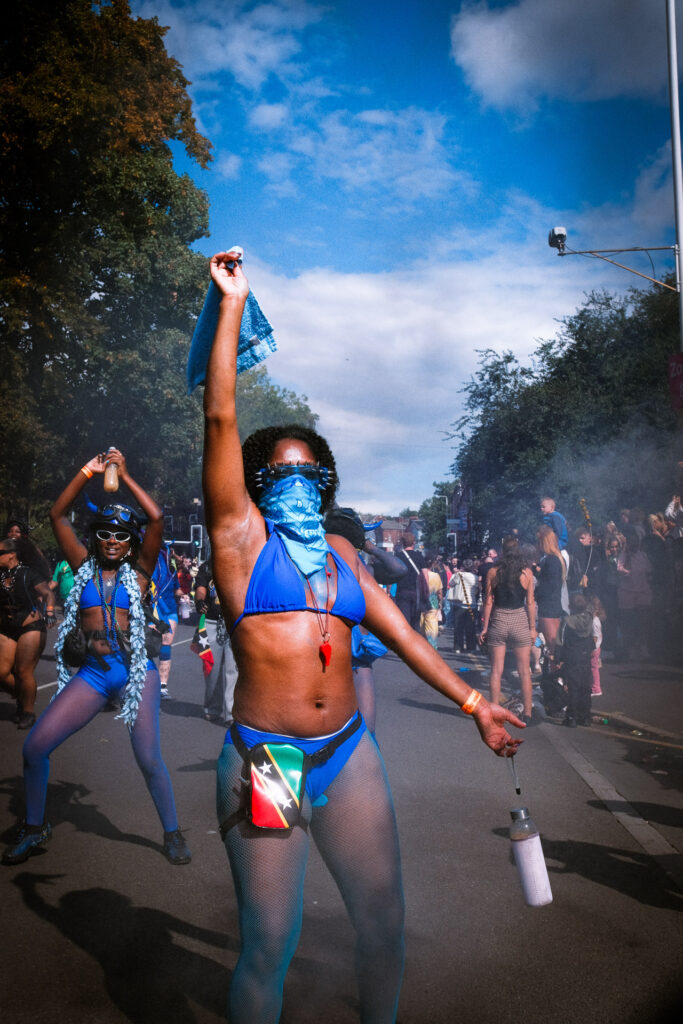
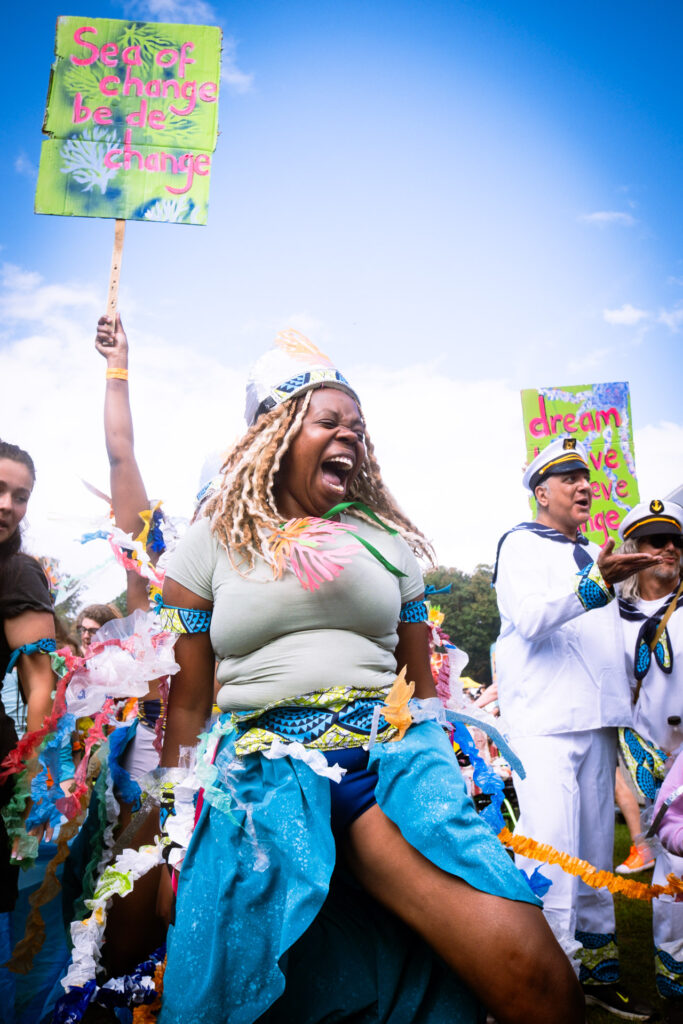
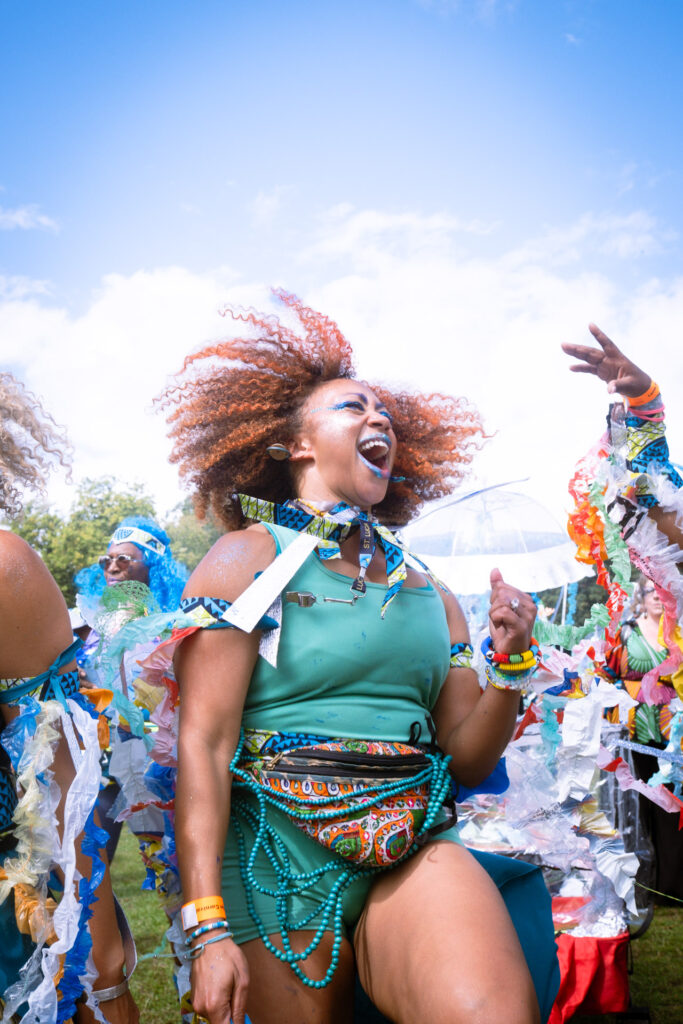
The first blessing was how much more I enjoyed the event itself: the dancing, the costumes, the music. I felt connected to the Carnival rather than just being a silent observer.
The second blessing was the work itself. I think I got better shots because the circumstances forced me to be more analytical, waiting for the right moment instead of firing off a burst and hoping.
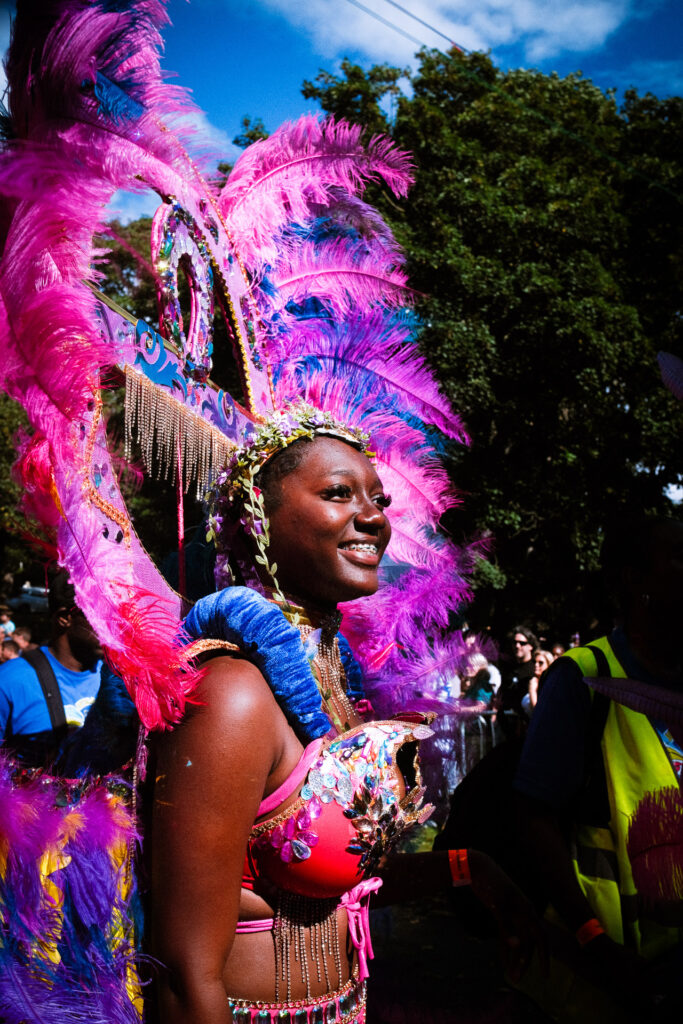
The third blessing was editing time. Other photographers I knew at the event told me they’d taken between 2,000 and 3,000 frames. I took 369. Thanks to my modified film simulation, I only needed to do minor retouching, and my shots were ready to ship three hours after I got home.
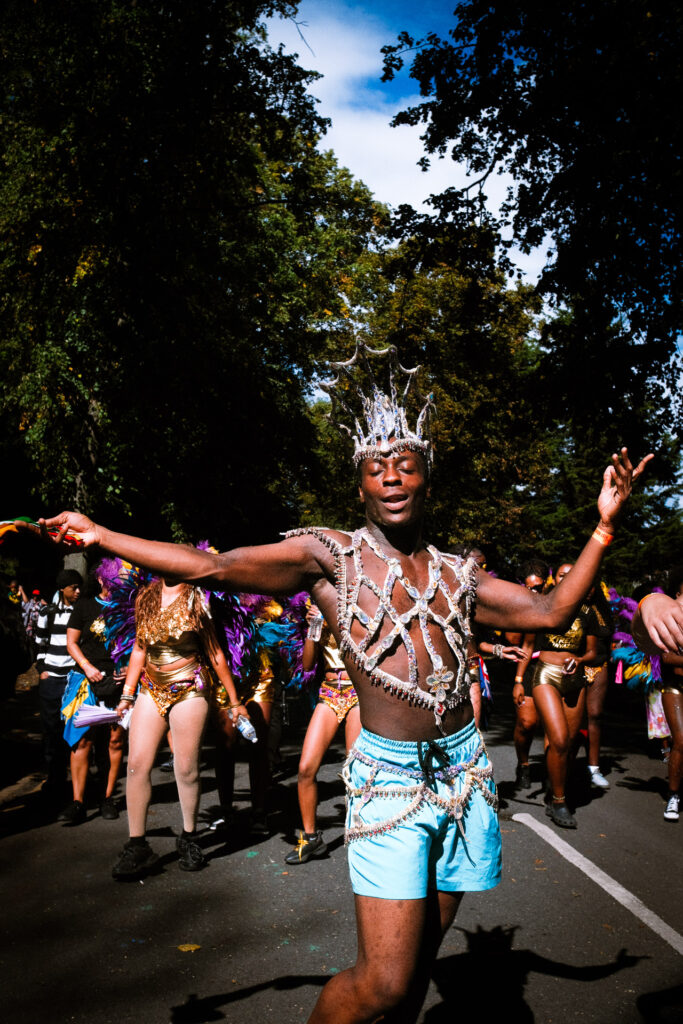
I don’t think the lesson here is that I should carry smaller SD cards in the future. Rather, it’s that as a photographer, I’m able to adjust and still create strong work even when faced with adversity.
The tools can only give us so much. It’s us that dictates how well a shoot goes. Being pushed into difficult waters showed me I’m still able to swim, one frame at a time.
More reading: My 1am Photographic Ego Death