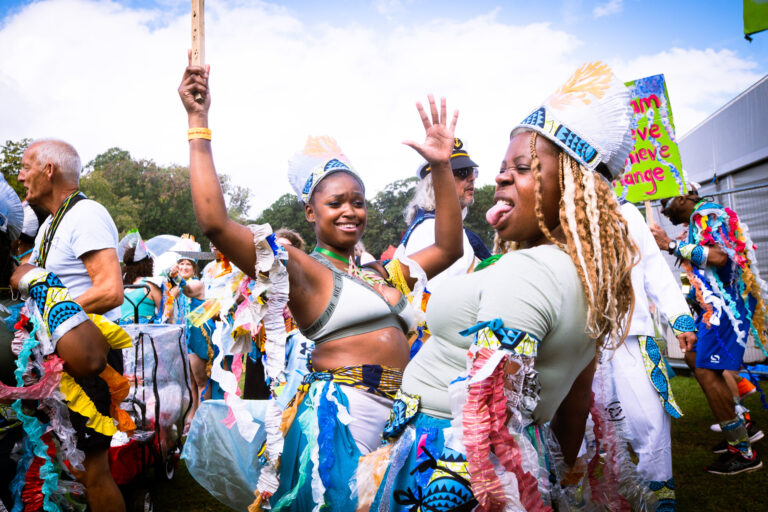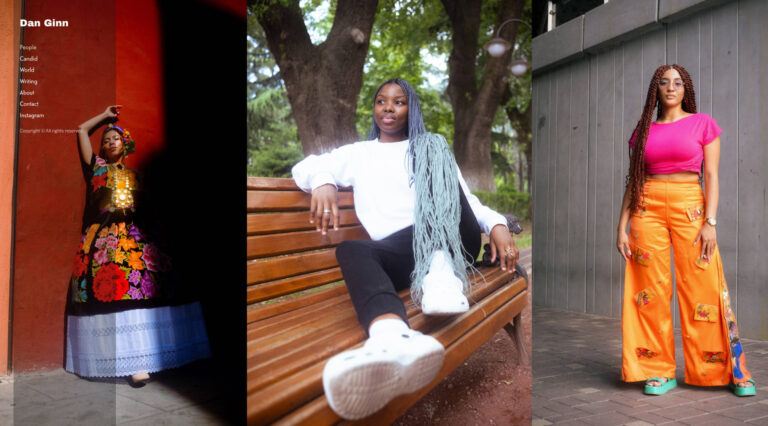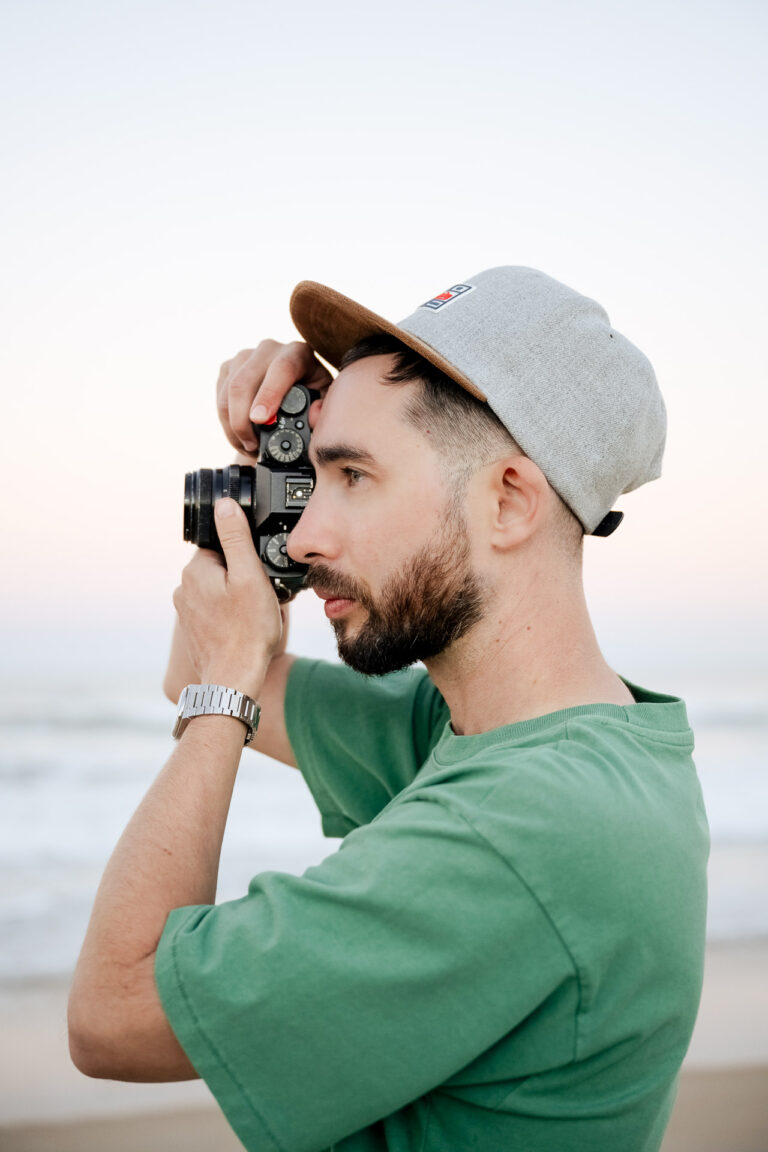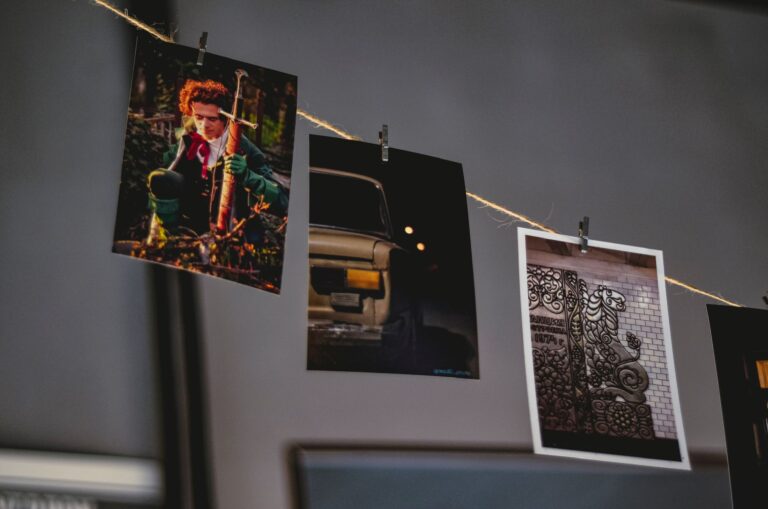

All images by Julia Gnatenko.
I learned most of my photography skills by working with real people on various kinds of portrait projects. Having experience, I realized that good portrait photography is beyond the camera and the image. It is about understanding clients, working with light, providing simple guidance, and making people feel at ease.
This article presents the lessons that I learned through experience, that I wish I had been told when I was a young professional. The tips are informed by what I have experienced over time and are designed to provide new and aspiring portrait photographers with some easy-to-implement ideas that they can apply to their own shoots and relationships with the clients.
Read People Before Posing Them
The first thing I wish someone had told me is that in portrait photography, poses are not the most important thing. It’s about people. Each client is coming with a distinct amount of confidence, vigor, and ease before a camera. There are those individuals who are expressive, whereas others stiffen the minute that I pick up the camera. If I tell everybody the same instructions, then I’m going to get the same type of photograph.
Instead, I take time to read the individual and then proceed to instruct them. I observe their posture, the motion of their hands and their level of comfort with direct eye contact. I’m still directing them, but it’s tailored to who they are and what makes each individual feel most like themselves.
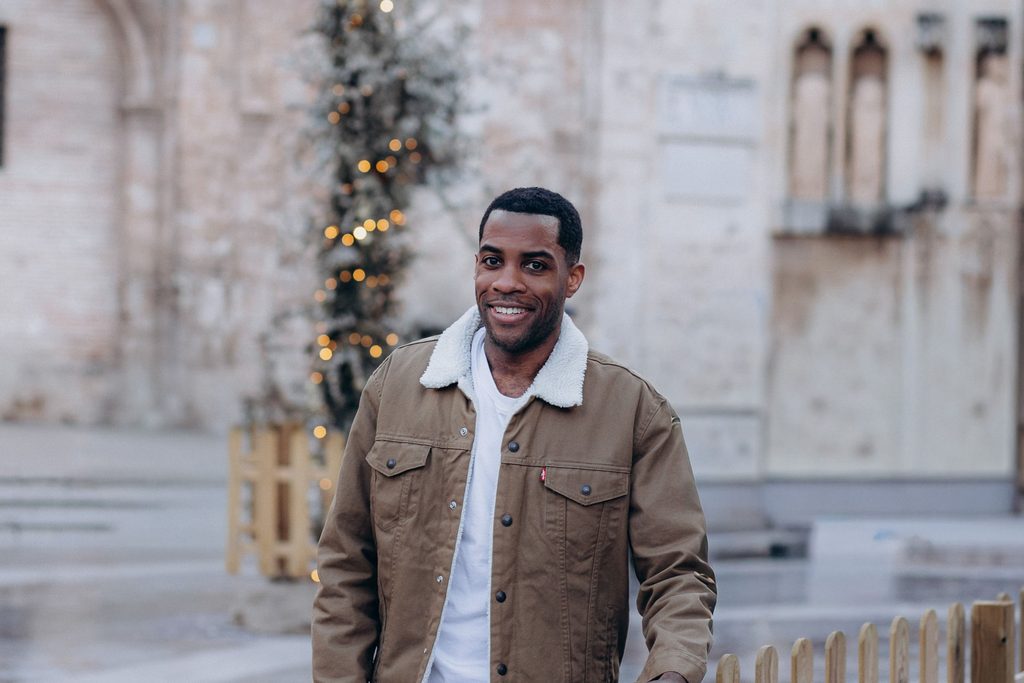
Good portrait direction begins with reading the person and adapting the approach to their comfort and personality
Light Matters More Than Gear
It’s easy to get hooked on what type of gear to use, but I’ve found it’s far more valuable to learn how to use light. Sure, the new lens can be helpful, but it can never save a photographer who is not aware of where light is coming from and how it affects a subject.
I consider the direction, softness, contrast, and color of the light before I give consideration to settings. A window, doorway, open shade, or a simple reflector can produce beautiful results when used intentionally. The light is captured by my camera, and I must discover and make the best use of it.
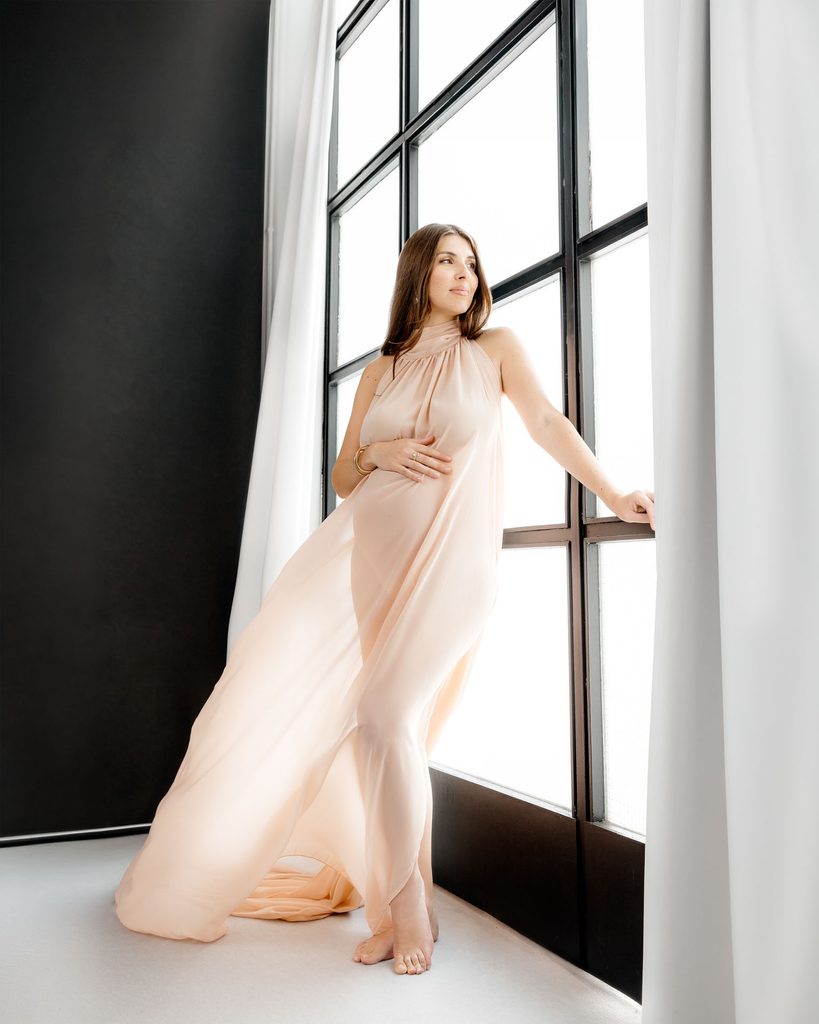
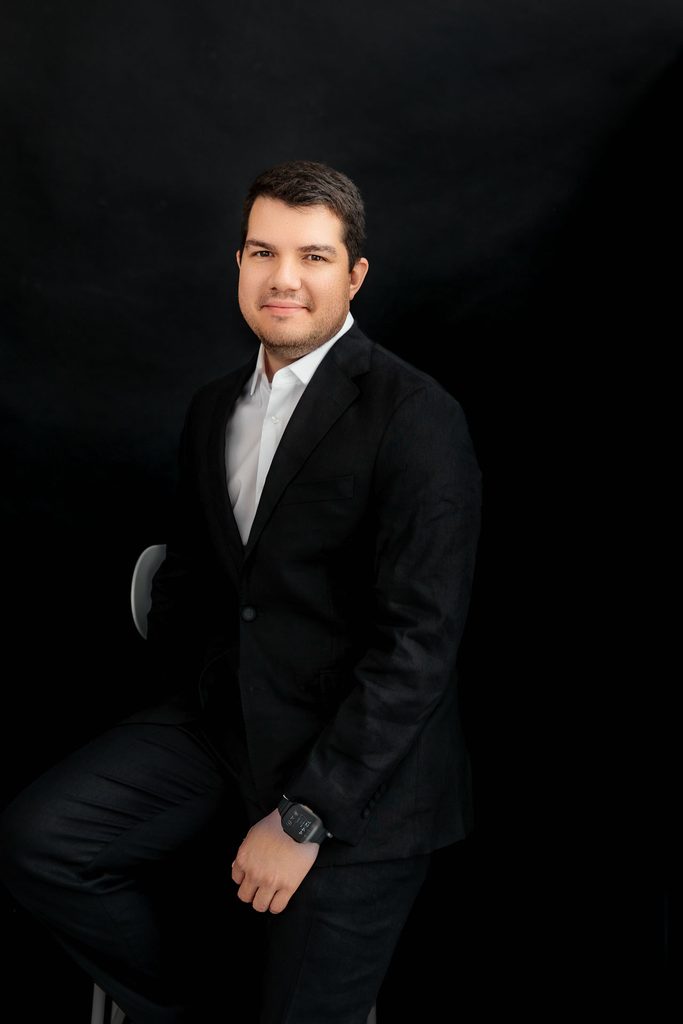
Understanding quality and direction of light is more important than relying on expensive equipment
Create Movement, Not Just Poses
If you pose people like statues, then they’ll appear tense and like they’re holding their breath. Personally, I create much better results when I give clients some direction that helps them loosen up and be more active.
Subtle instructions like asking them to walk slowly, turn their shoulders, or adjust their jacket are good starting points. Also directing them to look away, look back, and take a breath gives excellent natural results. All these mini gestures generate moments rather than make someone perform a singular gesture.
I’d also say that movement allows nervous clients to focus on something. They forget to think about their worries and begin to respond naturally to the direction. It brings them into the moment, allowing them to be more mindful and settled within the creative space.
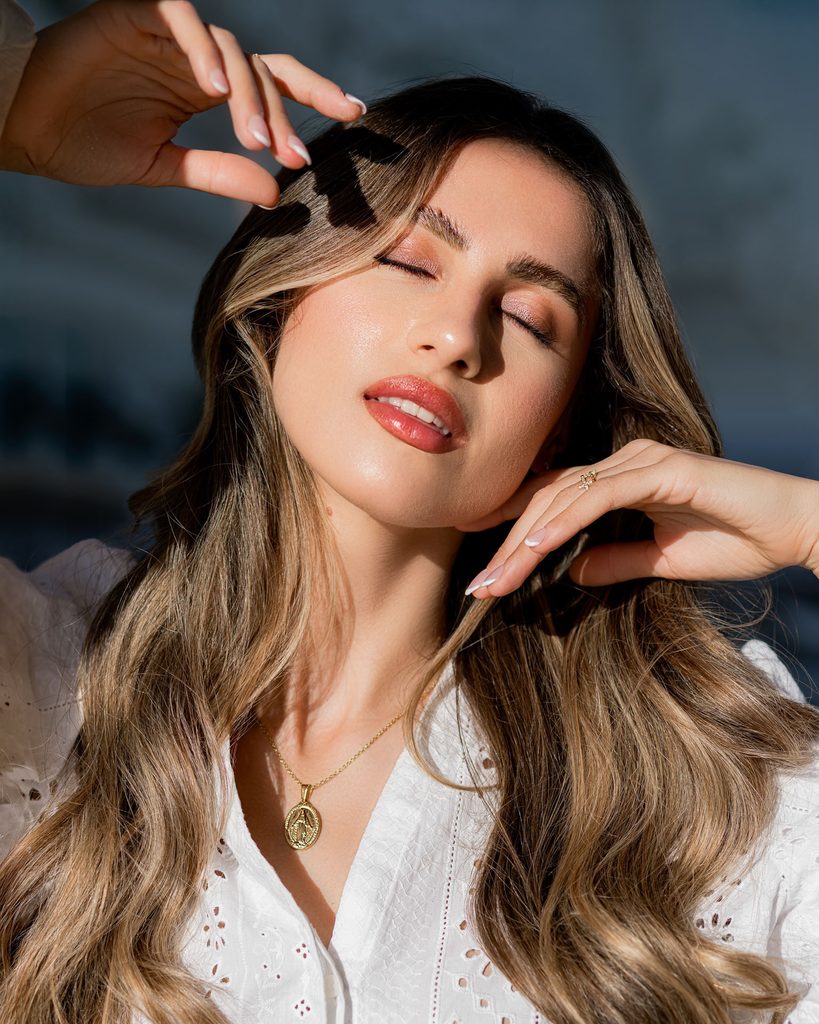
Expect the Beginning to Feel Awkward
The opening introduction to a new client can feel the most awkward, both for them and the photographer. When starting out in portrait photography, it was something I would worry about, because I thought I had to be ready and make the best images right from the start. However, with experience, I learned that I need to give people time to settle.
Clients become very aware of the camera. They can clench their smile, fret about their hands or worry about whether they are doing it right. Now, I see the introductory part of the session as a warm-up. I discuss, adjust, and put into practice basic things and allow them to get acquainted with the process. The expressions tend to be easier after the camera is no longer feels like an examination.
Keep Communicating
Silence can make an uncomfortable client feel more apprehensive. That’s why I like to keep communication flowing throughout all sections of the shoot. This includes continuous clear guidance, and explaining why we need to change something to get the best photos.
Encouragement also matters. I am not interested in mindless flattery, but I always ensure the client knows when something is working, perhaps it’s a good angle, or a flattering facial expression, all of this helps the client feel more confident. Transparency fosters trust, and trust transforms pictures.
Related: Is Physical Touch Okay in Portrait Photography?
Shoot With Intention
In the past, I had a bad habit of taking images that looked too similar. My mind set was that if I make more photographs, I’ll have a better chance of creating more keepers. Reality is that hundreds of identical images can add more editing without adding further value.
Now, my goal is to understand why I’m taking each frame within each sequence. This means slowing down, both in my actions and within my mind. It’s about shooting with more intention.
When something is working, I stick with it to get the best version and off I go. I would prefer to shoot a few good photographs as opposed to having a mammoth number with minimal variation in between them.
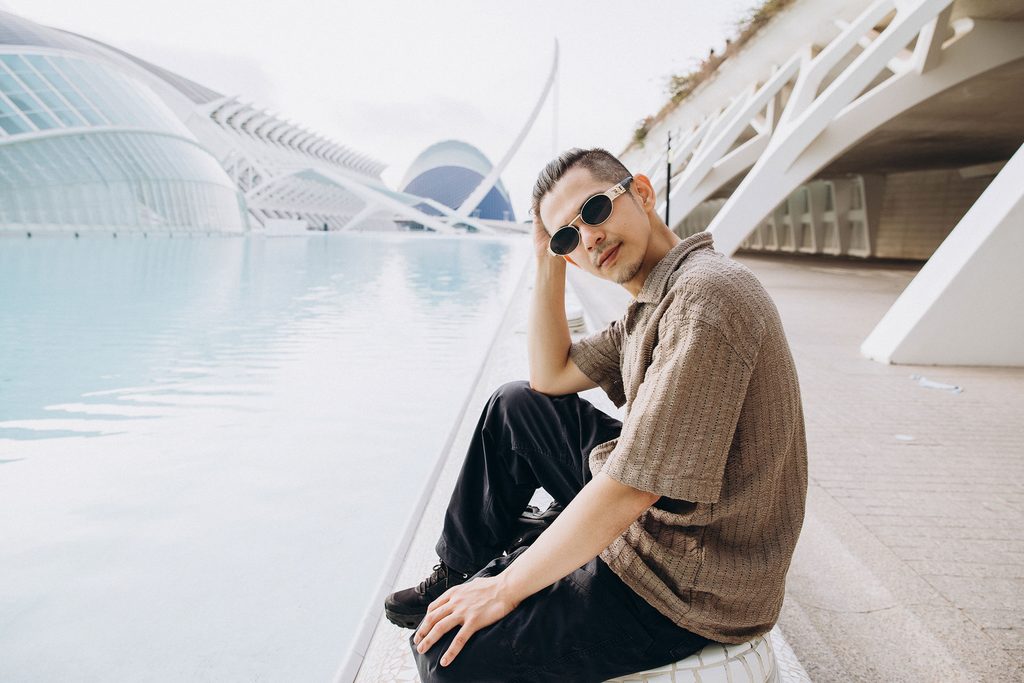
Intentional shooting creates variety and quality without filling the session with repetitive frames
Know How to Use Any Location
I used to think the only way to create a good portrait was to shoot in spectacular locations. But, I’ve come to realize being a good portrait photographer is knowing how to make the most out of any environment.
To do this, I look at the light and composition first. A beautiful wall is a powerful background when the light is beautiful. A busy street can be workable if I manage the angle and depth. I can make strong shapes and contrast with simply a door.
This attitude has caused me to be more flexible. Clients do not always have a perfect location, and the weather or time of day can alter an arrangement. Whenever I know about light and composition, I can discover something that I can use wherever I go.
I saw this firsthand while photographing across Spain, where shifting from coastal light to old stone streets forced me to rethink my approach with every location.
Keep Retouching Natural
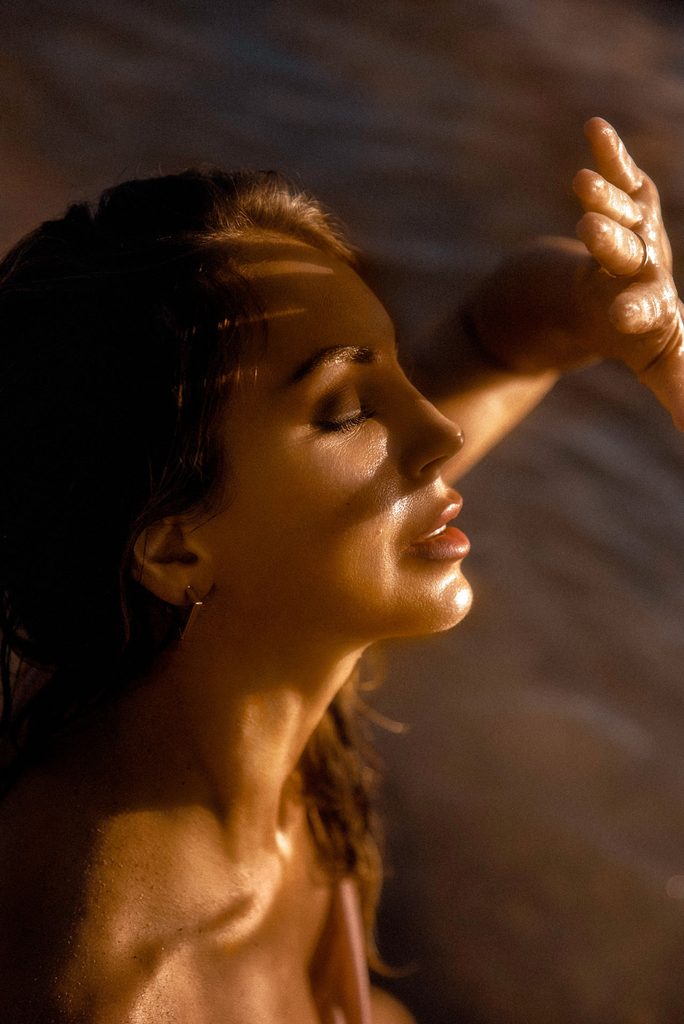
Another shift that came with experience applies to retouching. I realize the goal is not to create a whole new person, but rather, use the best photo editing tools to enhance the shot, while making sure the subject looks as realistic as possible.
I take notice of the distractions, fleeting imperfections, blemishes in color and minor details that truly make the face look off and draw negative attention. I practice caution with permanent features or heavy skin smoothing. A technically perfect portrait may feel incorrect if the subject doesn’t look like themselves any more.
Related: I Tested Dozens of Portrait Editing Apps: Why These 5 Are Worth It
The Client Experience Starts Before the Shoot
The greatest things I have done to enhance my portraits happened before the photoshoot even began. Uncertainty is minimized by clarity in information. I clarify what to expect, the exact meeting point, what to wear, what to bring, the duration of the session, and the creative process.
I inquire as well. What is the purpose of the portraits? Is it a professional profile, personal milestone, a family record or otherwise? The answer shapes how I approach the session. Through preparation, I can capture the real need as opposed to just creating beautiful pictures.
Develop Your Own Style
Throughout my career, I’ve learned many things from other professional portrait photographers, and I continue to do so even today. By observing, I’ve been able to understand light, composition, color and direction. But, my biggest lessons have come from developing and understanding my own style.
Working in a repetitive, analytic manner allows me to refine and improve the way in which I shoot. Things I learned from others helped set the foundations of my knowledge, but learning from myself is where my unique voice really comes to fruition.
Following trends can be helpful, but you have a better chance of starting them if you trust your intuition and build your own identity.
Signing Off
Given a chance to go back and speak to my younger self, I would tell myself to quit attempting to appear like a professional and focus on becoming one. That is, to learn how people react to direction, learn light, learn to recognize when a location isn’t working and own the entire client experience.
I would remind myself that awkward sessions are normal. Not all clients will start to relax, and not all photographs will work. Sessions that didn’t go as planned have taught me some of the greatest lessons. They helped me to learn to communicate, to be careful with the light and to improvise in case something was not functioning.
It took time, work and dedication to become a professional portrait photographer. Developing a style, learning to understand client needs, and gaining confidence are achieved by consistently showing up.
If you apply these tips to your own journey, and remain focused on improving your work, then I’m confident you’ll glide down your path to becoming a professional photographer.
Author Bio
Julia Gnatenko is a professional photographer based in Valencia, Spain, and the founder of Gnatenko Photography. She specializes in portrait, family, maternity, and wedding photography, with a focus on natural, authentic images and meaningful moments. Follow her work on Instagram at @gnatenko_photography.
More reading: An SD Card Failure Became a Blessing