
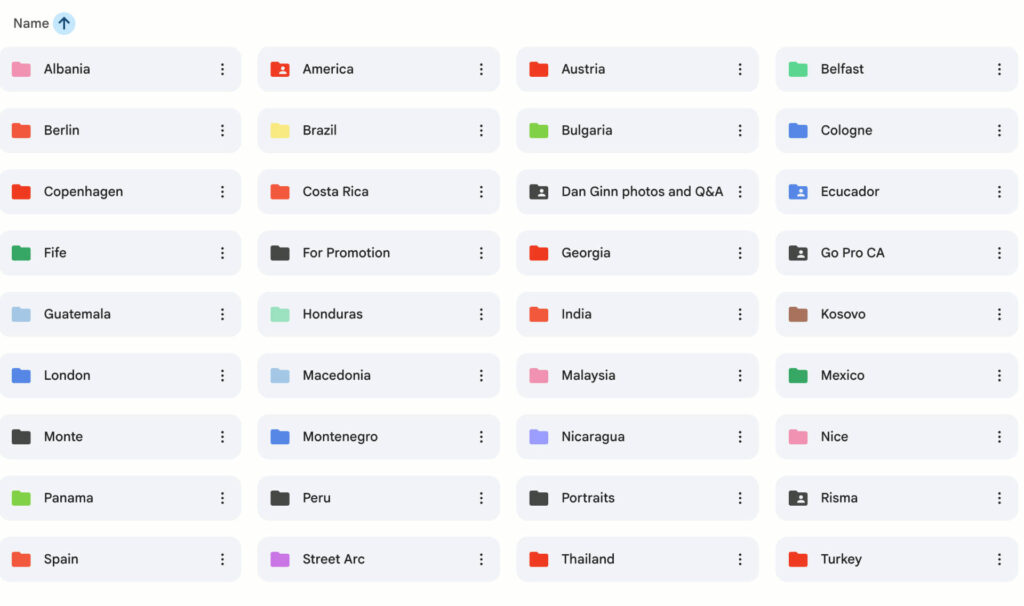
25,379. That’s the amount of photographs I currently have resting in cloud storage. I have my favorites, others have theirs, and there are many that, without looking at them, my mind forgets exist. All of them are important, they hold value for me. But, when it comes to sharing photographs, it can often feel an impossible task to know if I’m on the right path.
Favorites Are Not Always The Best
That feeling usually isn’t about a shortage of good photos. It’s because a favorite photograph and your best photograph are rarely the same image. Your favorite usually has nothing to do with what’s in the frame. It’s the light that morning, the conversation before you raised the camera, the version of you who finally nailed a shot you’d missed three times before. You get to carry all of that into how you see the photo, every time you look at it.
Your best work doesn’t get that. It has to earn its place with someone who wasn’t there, who doesn’t know what it cost you, and who will look at it for less time than it took you to read this sentence. They’re not judging your memory. They’re judging the image.
That’s the uncomfortable part of sharing your work. Sometimes the photograph that means the most to you is the one that does the least for anyone else. And choosing to share something else in its place can feel like leaving a part of the story behind.
What Actually Makes a Photo Your Best
So what actually makes a photograph your best, if it’s not the one you love the most? I think it comes down to three things.
First, does it serve the story you’re trying to tell about yourself. Every photographer is building an identity whether they mean to or not, and every image you share either supports that or muddies it. A technically perfect photo that has nothing to do with who you are as a photographer is still the wrong choice.
Second, does it land with someone who has zero context. You weren’t there with them. They don’t know about the three hour wait for the light, or the gear you switched at the last minute. All they have is what’s in front of them. If the image needs the story to work, it’s not ready to stand on its own yet.
Third, does it sit well next to the other work you’ve already shared. One photo is a moment. A body of work is a pattern. The strongest portfolios aren’t collections of unrelated great shots, they’re images that build on each other and start to feel like a single voice.
None of this is about technical skill, although that obviously matters too. A photo can be sharp, well lit, and perfectly composed and still be the wrong one to share. Best isn’t a quality score, it’s a fit test. Does this photo do a job, and is that job one your audience actually needs done.
Your Audience Only Sees What You Show Them
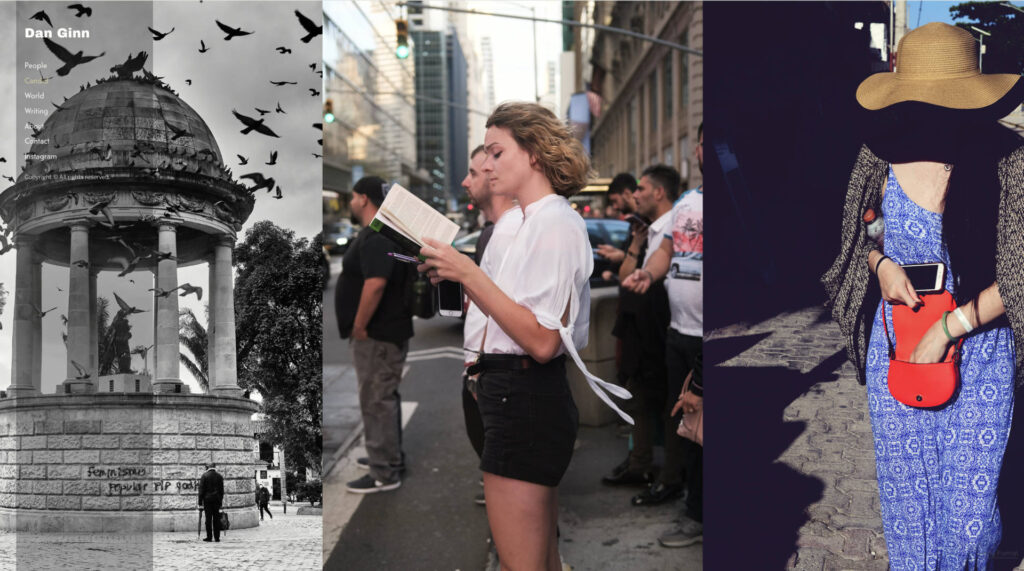
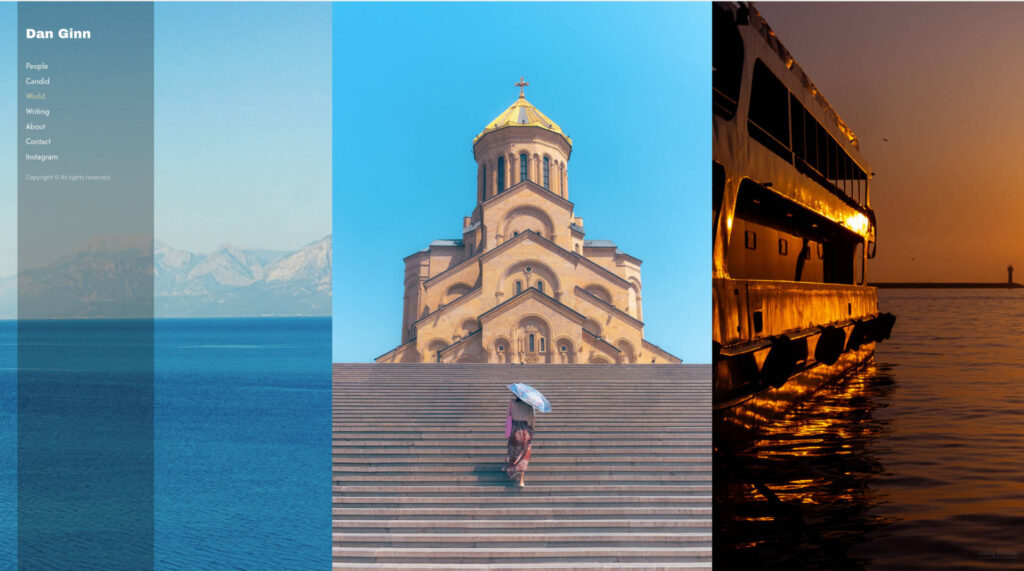
Your audience never sees your full portfolio. They see what you choose to share, and over time, that becomes who you are to them. Not the 25,379 photos sitting in storage, not the ones you’re proudest of that never made the cut, just the ones you put in front of them.
This is why curation isn’t a side task you do after the real work of photography. It is the work, at least the part that decides who you become known as. You could be capable of ten different styles, but if you only ever share one of them, that’s the photographer people think you are.
And yes, this means leaving things behind. Good photos, sometimes great ones, that just don’t fit the version of you that you’re building in public. I still feel that one every time. You don’t stop being proud of a photo just because it never gets shared. You just accept that being proud of it and it being useful to your audience are two different things.
How to Actually Choose
A fair worry here: if curation is about consistency, doesn’t that just mean repeating yourself? Not quite. Consistency is about a throughline, not shooting the same scene over and over. You can shoot weddings, landscapes and street photography and still feel like one photographer, as long as something about how you see connects them.
A few things that help when you’re actually choosing.
Give a shoot a few days before you judge it. The photo you love the day you took it isn’t always the one you’d pick a week later, once the memory of taking it has faded a bit.
Show a shortlist to someone who has no idea about the story behind any of it, and pay attention to what they react to first. If a photo needs an explanation to land, it’s probably not your strongest pick.
Look at your last five posts before adding a sixth. Not to copy them, but to check the new one fits the version of you they’re already building.
So back to that number. 25,379 photographs isn’t a backlog of decisions I haven’t made. It’s proof that taking the photo was never the hard part. Choosing which ones represent me is.
More reading: Street Photography Is Dead…To Me